Your Cart is Empty


You've just finished lunch, but your stomach feels heavy at your desk. Later, you notice that your skin looks dull and wonder whether an aloe vera supplement could support your daily wellness routine. The answer depends less on the word “aloe” on the front of a bottle and more on which part of the leaf was used, how it was processed, and what the label confirms.
This guide focuses on structure/function language, such as supports healthy digestive function, helps maintain normal skin hydration, and promotes everyday joint comfort. It doesn't diagnose or replace professional care, and it doesn't present aloe as a solution for disease. Instead, you'll learn how the main aloe vera supplement uses compare, how inner-leaf gel differs from yellow latex, how liquid and capsule forms fit different routines, and which quality cues deserve attention.
Aloe vera has a longer history as an ingestible botanical than many modern wellness ingredients. Historical reviews describe references reaching back roughly 4,000 to 6,000 years, including evidence from Mesopotamia around 2100 BCE and the Egyptian Papyrus Ebers around 1552 BCE. Classical Greek medical writings also connected aloe with stomach, skin, and wound applications, according to this historical review of aloe vera's traditional and modern uses.
That history doesn't prove every modern marketing claim. It does explain why aloe moved so naturally from traditional preparations into juices, capsules, and functional food formulas. Early internal use focused particularly on its cathartic properties and its association with a heavy stomach, which helps explain aloe's continuing place in products designed to support digestive comfort.
The most responsible way to discuss aloe is to describe its role in normal body function. A properly framed product may support healthy digestive function, promote skin moisture balance, or provide general wellness support. Those statements describe intended structure/function roles. They aren't claims that a supplement diagnoses, treats, or prevents a disease.
The evidence also has tiers. Traditional use provides historical context. Controlled human research offers a stronger basis, but results can vary by formulation, dose, duration, and product processing. A reader evaluating aloe should therefore ask three questions:
Practical rule: Treat the bottle label like a recipe. The plant name tells you the main ingredient, but processing tells you what actually reached the final serving.
Understanding that distinction makes the rest of the aloe vera supplement uses easier to evaluate. It also helps you avoid assuming that every clear juice or capsule offers the same experience.
Aloe vera supplements generally come from one of two plant materials. The clear inner-leaf gel sits inside the leaf and is watery, soft, and translucent. The yellow latex lies just beneath the outer rind and contains anthraquinone compounds, including aloin, associated with laxative activity.
A kitchen analogy makes the difference easier to picture. The inner gel is like the flesh of a peeled cucumber, while the latex is like the bitter sap close to the cucumber's rind. Both come from the same plant, but they aren't interchangeable ingredients.

Modern oral products commonly use hand-filleted inner-leaf gel or a decolorized whole-leaf extract. In decolorized products, manufacturers process the extract to remove latex-related compounds, often using filtration methods such as activated carbon. Hand filleting takes a different route by separating the clear gel from the outer rind and yellow layer before processing.
That choice changes the final bioactive profile. Aloe is discussed because it contains polysaccharides such as acemannan, along with vitamins, minerals, and enzymes. The latex portion contains anthraquinones, so a label that clearly identifies latex removal or inner-leaf sourcing gives you more useful information than a generic “whole plant” statement.
Common delivery forms include:
The plant species alone doesn't determine the finished product's safety or consistency. Harvest timing, leaf separation, filtration, heat exposure, concentration, and testing all shape what ends up in the capsule or bottle. That's why two products with similar front labels can have very different ingredient panels.
Aloe's best-known oral use is digestive support, but the evidence needs careful wording. A randomized controlled trial involving 58 patients found no benefit over a three-month period, while a later review and meta-analysis reported a statistically significant improvement in symptom scores versus placebo, with an SMD of 0.41 and a 95% confidence interval of 0.07 to 0.75 across two studies. The clinical overview of aloe vera evidence also summarizes 94 primary studies, 14,352 participants, and 71 outcomes, while emphasizing that study quality and size vary.
A separate pilot trial involving 79 adults evaluated aloe syrup standardized to 5.0 milligrams of polysaccharide per milliliter, taken at 10 milliliters per day for four weeks. The trial reported lower frequency across eight measured digestive symptoms and no adverse events requiring withdrawal, but its small, short, single-center design limits how broadly the result should be applied. You can review the trial details in this PubMed report on aloe syrup and digestive symptoms.
Digestive comfort has the most developed human research among the uses discussed here, although it isn't definitive. A compliant description might say supports healthy digestive function or promotes normal digestive comfort.
Skin hydration has a more preliminary but specific signal. An updated review cites a 12-week randomized trial in which low-dose Aloe sterol improved skin moisture, collagen score, and subjective and objective skin symptoms. That supports cautious language such as helps maintain healthy skin moisture balance, not a promise of a visible medical outcome.
Oral comfort, joint comfort, and post-exercise recovery remain less established for oral aloe supplementation. These areas may be described as providing general support for oral wellness, promoting everyday joint comfort, or supporting normal recovery after activity, provided the product's own substantiation supports the claim. Readers comparing joint-focused nutrients may also find this resource on magnesium for tight muscles useful for understanding how another ingredient is positioned in everyday wellness.
| Use Area | Evidence Strength | Structure/Function Phrasing |
|---|---|---|
| Digestive comfort | Mixed clinical evidence with traditional continuity | Supports healthy digestive function |
| Skin moisture | Preliminary human evidence | Helps maintain normal skin hydration |
| Oral wellness | Early or product-specific evidence | Provides support for oral wellness |
| Joint comfort | Emerging interest | Promotes everyday joint comfort |
| Post-exercise wellness | Preliminary | Supports the body's natural recovery process |
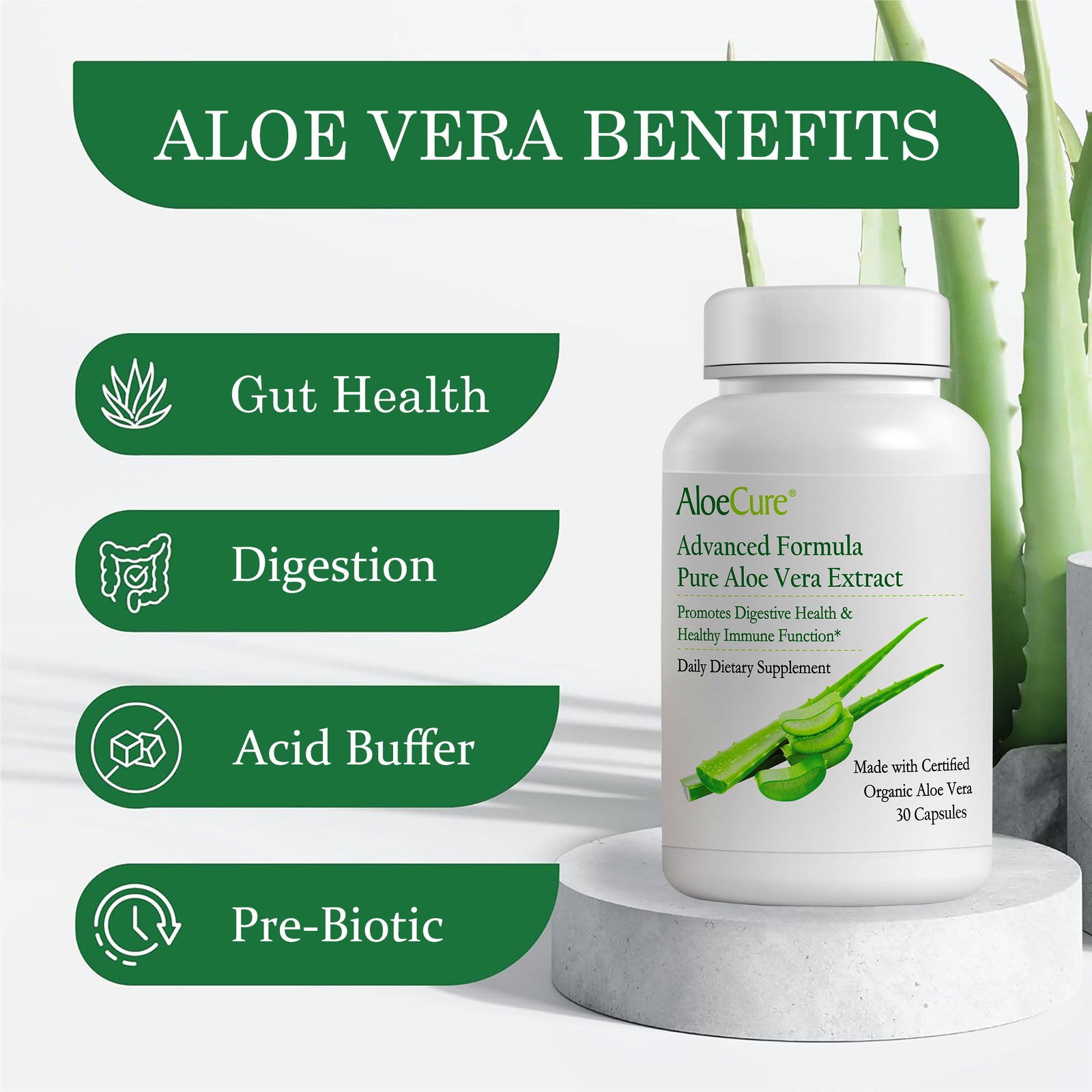
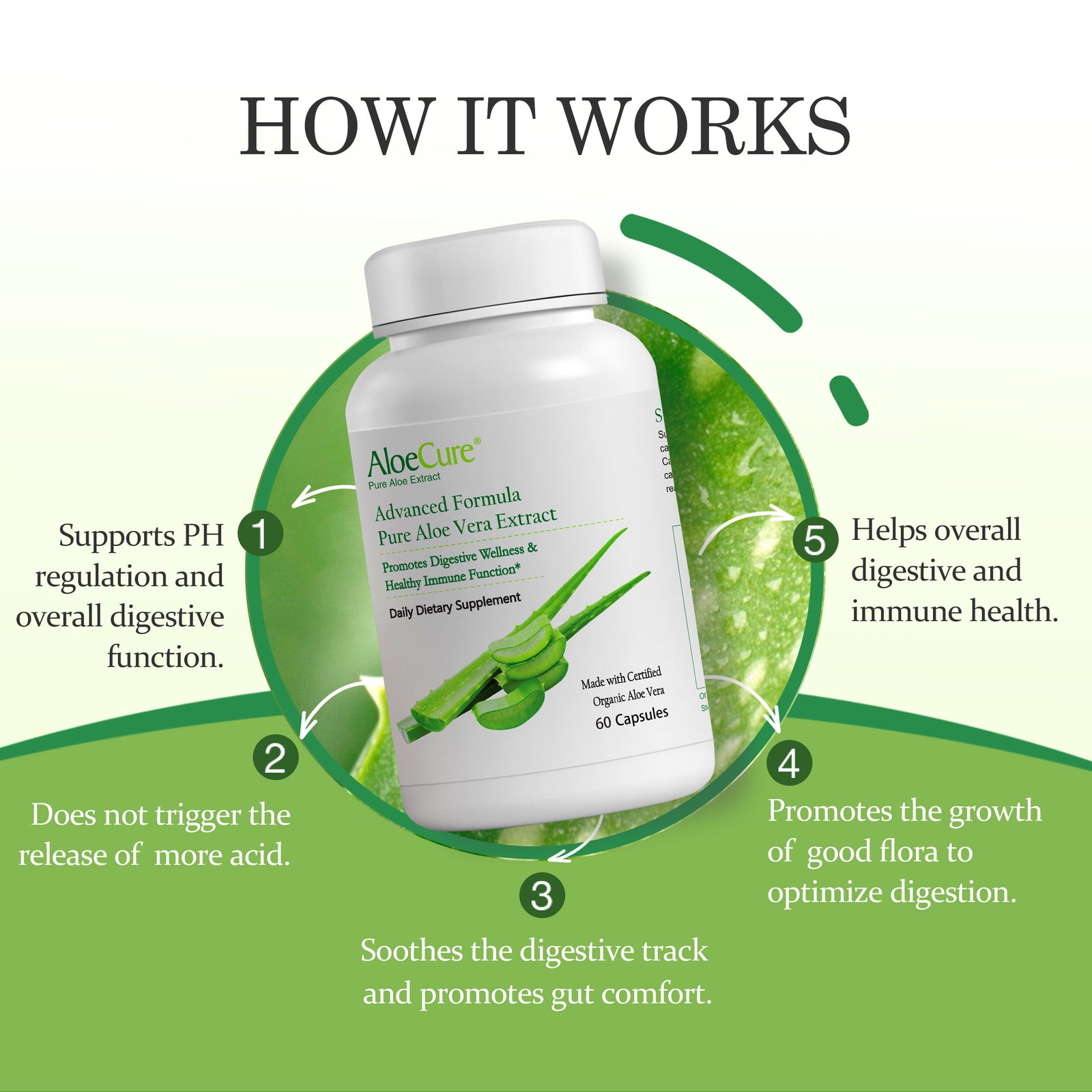
For a practical look at how aloe is discussed in digestive wellness, see AloeCure's guide to aloe vera for gut health. The important distinction is that structure/function language describes what an ingredient may do within normal physiology. It isn't a substitute for diagnosis or professional guidance.
Juice and capsules can contain related aloe ingredients, but they suit different habits. Liquid aloe is often measured by volume and may be taken once or twice daily, sometimes on an empty stomach. Capsules provide a fixed powder amount without the taste, which can make consistency easier for people who dislike aloe's flavor.
Liquid may feel more immediate because it's already in a drinkable form and doesn't need a capsule shell to break down. Capsules are easier to keep in a bag, carry while traveling, and take without refrigeration when the label permits it. Juice may require refrigerator space after opening, and flavor can determine whether someone follows the routine.
| Factor | Aloe Vera Juice | Aloe Vera Capsules |
|---|---|---|
| Routine | Fits smoothies, water, or a measured morning serving | Fits a pill-based routine |
| Taste | Noticeable plant flavor unless flavored | Little or no aloe taste |
| Portability | Less convenient after opening | Convenient for travel |
| Serving format | Measured liquid volume | Fixed capsule serving |
| Quality priority | Inner-leaf source and polysaccharide information | Inner-leaf source, powder details, and testing |
A morning smoothie drinker may prefer juice because it blends into an existing habit. A frequent flyer may choose capsules because they're simpler to pack. Neither format automatically wins. The deciding factor should be the quality of the inner-leaf gel and the transparency of the polysaccharide profile, not convenience alone.
Before comparing labels, use this guide to choosing aloe vera supplements to clarify which format fits your routine. Then check whether the product identifies the aloe portion, serving amount, processing method, and testing information.
Quality begins in the field, but it doesn't end there. Organic farming can provide a clear sourcing benchmark, while certification verifies that the product follows defined production rules. Under USDA rules, products labeled organic must be produced under an approved organic system plan and verified by a USDA-accredited certifier. Products using the USDA Organic seal must contain at least 95% certified organic content, excluding water and salt, while products labeled “made with organic” must contain at least 70% organic content and can't display the USDA Organic seal, according to FDA and USDA.
The European Union uses a similarly formal benchmark. Its organic logo can appear on prepacked food only when at least 95% of agricultural ingredients are organic, alongside compliance with EU production rules and certification controls, as described in this FDA overview of organic and related label claims.

Processing determines whether the finished supplement retains the compounds the consumer expects. A label may mention inner-leaf gel, decolorized whole leaf, or latex-free. These terms help distinguish a product intended for everyday wellness from a product that may retain more of the yellow latex fraction.
Look for recognizable quality cues:
Farm-to-bottle control can make those checks easier. For readers comparing production philosophies, our Revive Supplements offers another example of how a wellness company presents its supplement range and sourcing information. The label remains the final checkpoint.
Use this aloe vera buying guide to compare the language on actual Supplement Facts panels. Favor specific processing descriptions over broad claims such as “full spectrum” when the label doesn't explain what that means.
Aloe dosing should begin with the product label, not a generic internet rule. Human studies have used inner-leaf gel preparations in ranges of 30 to 100 milliliters of juice daily or 200 to 500 milligrams of freeze-dried gel powder daily, depending on the formulation and study design. Those ranges come from the clinical reference on aloe vera, and they shouldn't be transferred blindly between a concentrated juice and a capsule.
Pregnant or nursing people, children under 12, and anyone taking medication should speak with a qualified healthcare professional before using an oral aloe product. Particular caution is warranted with diabetes medication, digoxin, or diuretics because aloe may affect glucose or potassium balance. The NCCIH aloe vera safety guidance emphasizes that reliable evidence is limited for several popular oral uses and that latex carries meaningful safety concerns.
Safety checkpoint: A product that says “natural” still needs a clear ingredient identity, a defined serving, and an explanation of latex handling.
Use adequate hydration, avoid doubling servings, and stop if you experience an unwanted response. The following visual summarizes the label and routine checks.

A short educational video can also help you visualize how serving size and product form affect a daily routine.
Myth one, more is always better. Increasing the serving beyond the label doesn't guarantee stronger wellness support. With acemannan-rich gel, too much may increase digestive side effects rather than improve the intended experience. Latex-containing products create a separate concern because anthraquinones have laxative activity.
Myth two, every aloe product delivers the same compounds. Raw leaf material, decolorized whole-leaf extract, and hand-filleted inner-leaf gel can differ substantially. The source portion and processing method affect the amount of polysaccharides and anthraquinones that remain.

Myth three, aloe is an all-purpose medical product. Dietary supplements can use truthful structure/function claims when properly substantiated, but they can't claim to diagnose, treat, cure, or prevent disease. A compliant phrase is supports normal digestive function, not a promise about a named condition.
Myth four, clear juice equals pure juice. Clarity tells you how the liquid looks, not which compounds were preserved. Filtration can remove unwanted latex components, but aggressive processing may also change the polysaccharide profile. Ask what was removed, what was retained, and how the manufacturer verifies the finished product.
The useful recap is simple: more isn't automatically better, all aloe isn't equivalent, and a clear label matters more than a clear liquid. Those points make the next purchase decision much easier.
Start with your routine. Choose juice if a measured liquid serving fits naturally into your morning drink, and choose capsules if portability, taste, or a fixed serving matters more. In either case, prioritize inner-leaf gel or clearly decolorized, latex-free processing.
Next, shortlist a few products and inspect each label rather than relying on the front panel. Confirm the aloe source, serving size, organic or other certification claims, manufacturing standards, and any available testing details. A transparent label lets you compare products on evidence-based quality cues instead of vague promises.
Finally, start conservatively and track your response for two weeks. Keep your serving consistent, maintain hydration, and record how your digestive comfort and overall routine feel. If you take medication, are pregnant or nursing, or are choosing a product for a child, consult a qualified healthcare professional first.
FDA rules require qualifying supplement claims to carry this disclaimer: These statements have not been evaluated by the Food and Drug Administration. This product is not intended to diagnose, treat, cure, or prevent any disease.
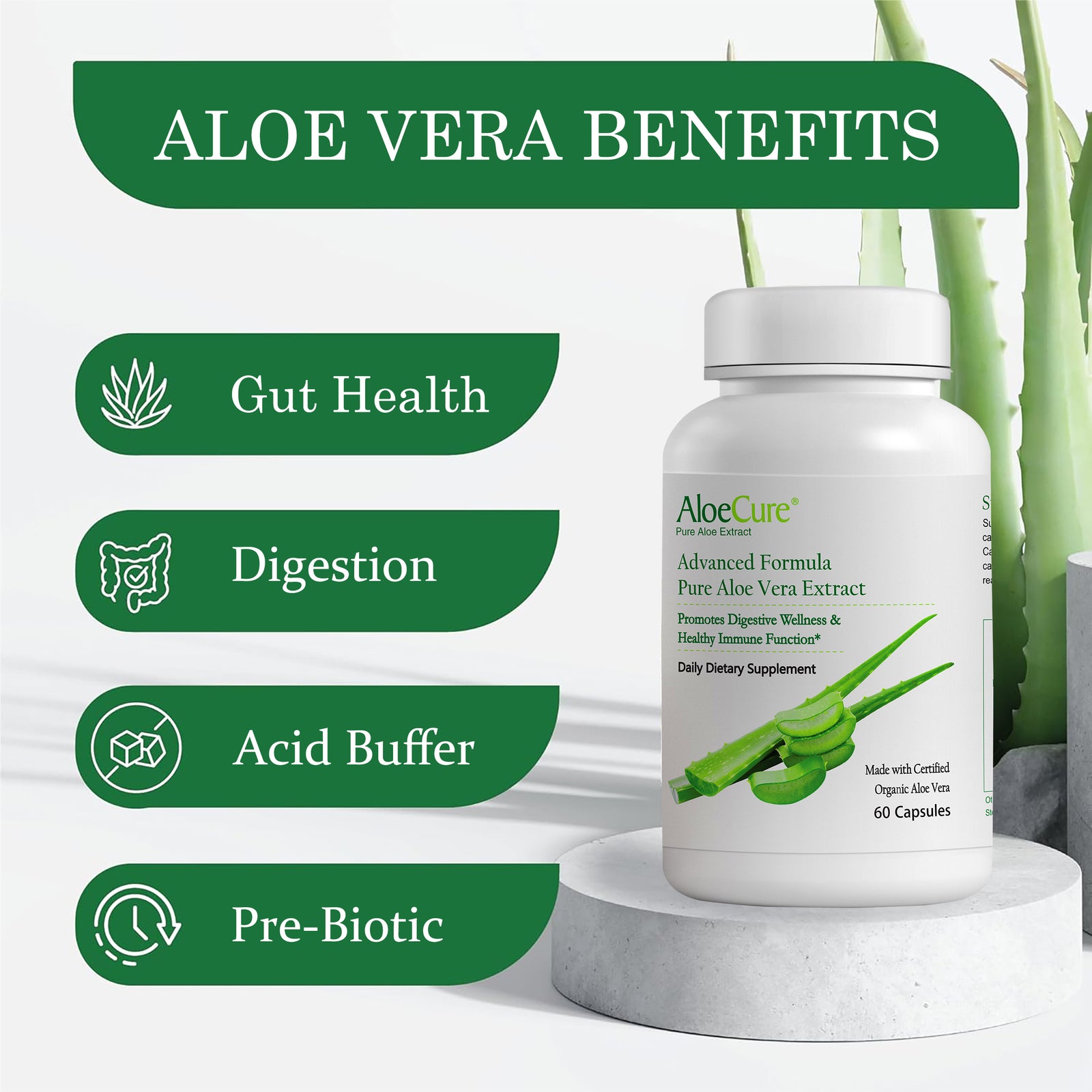
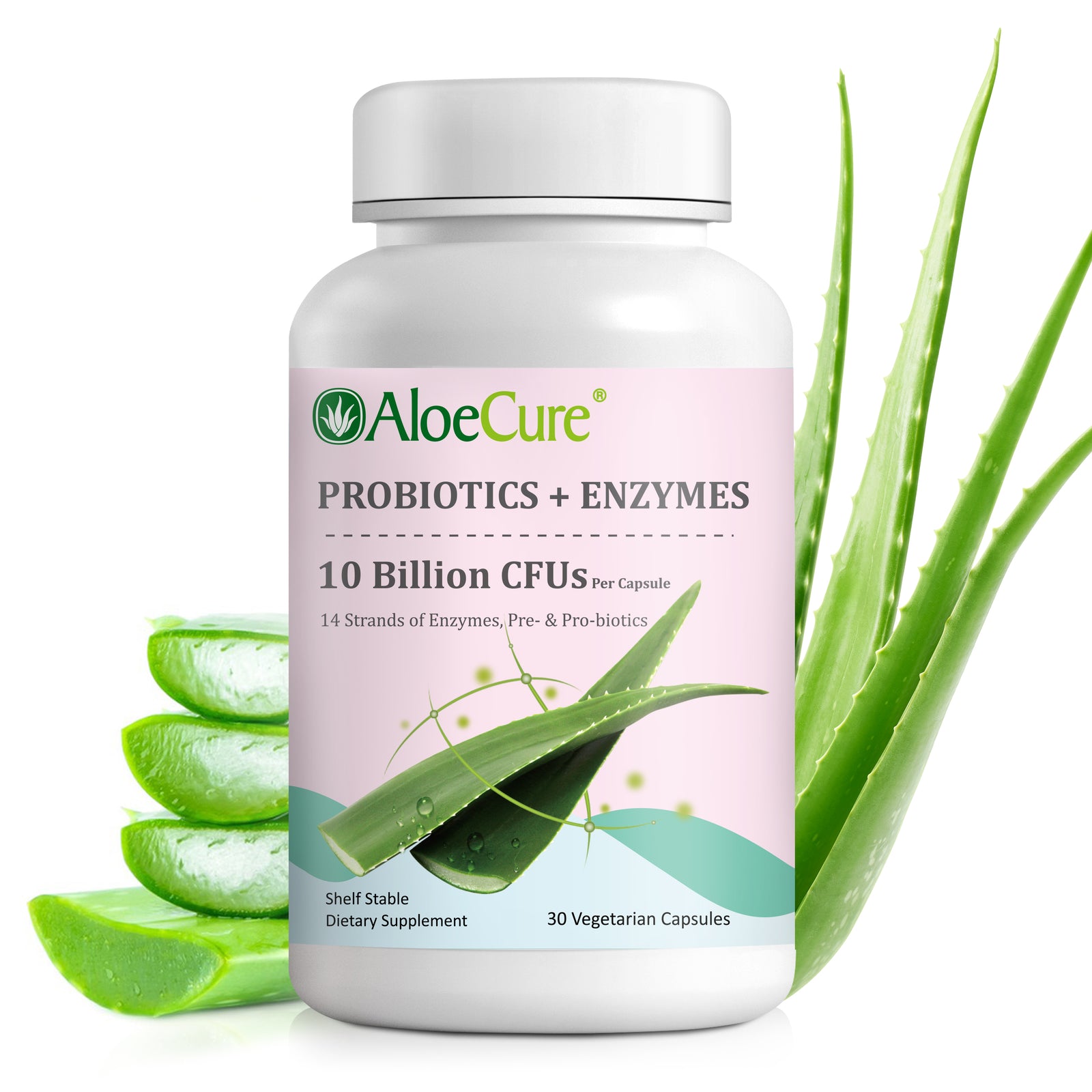
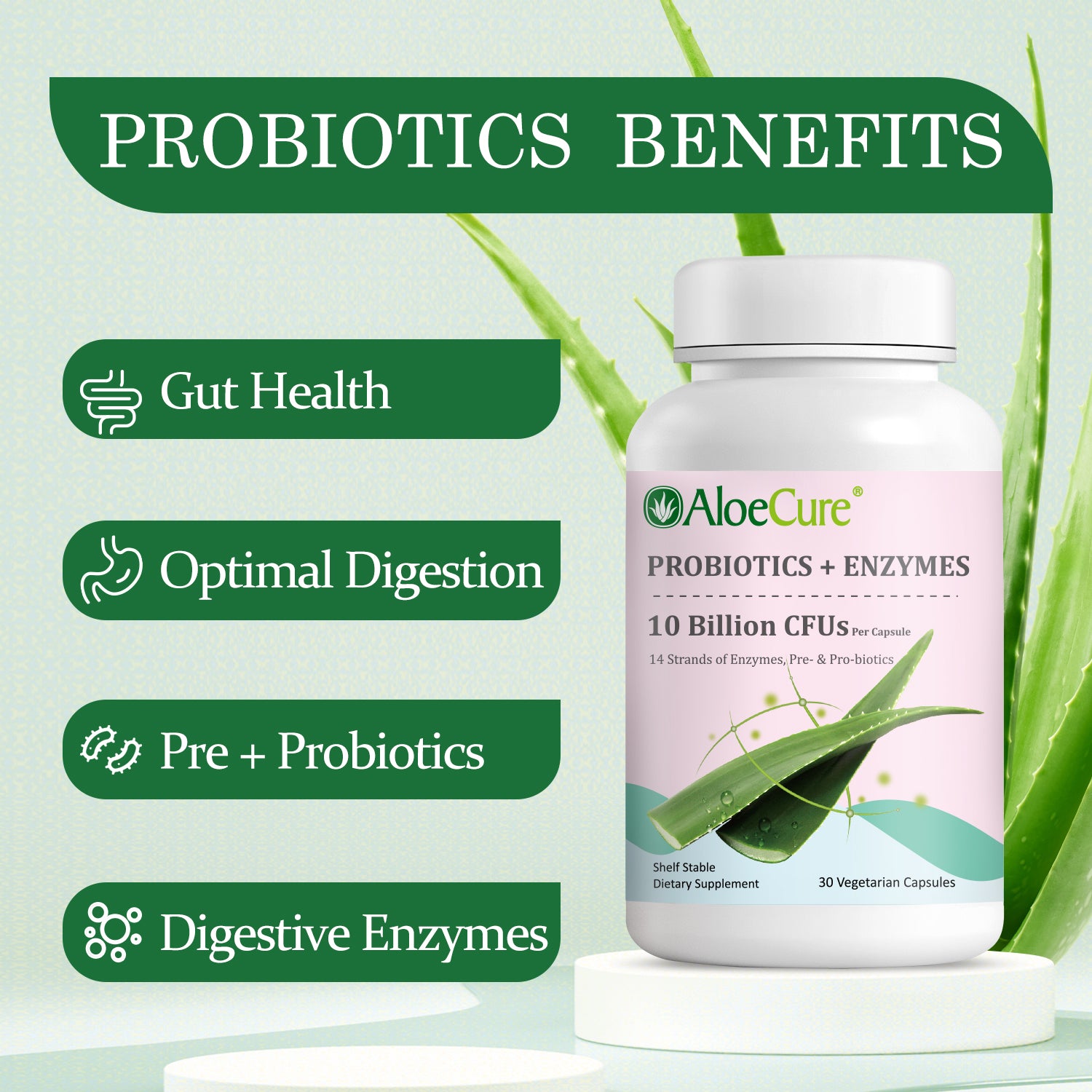
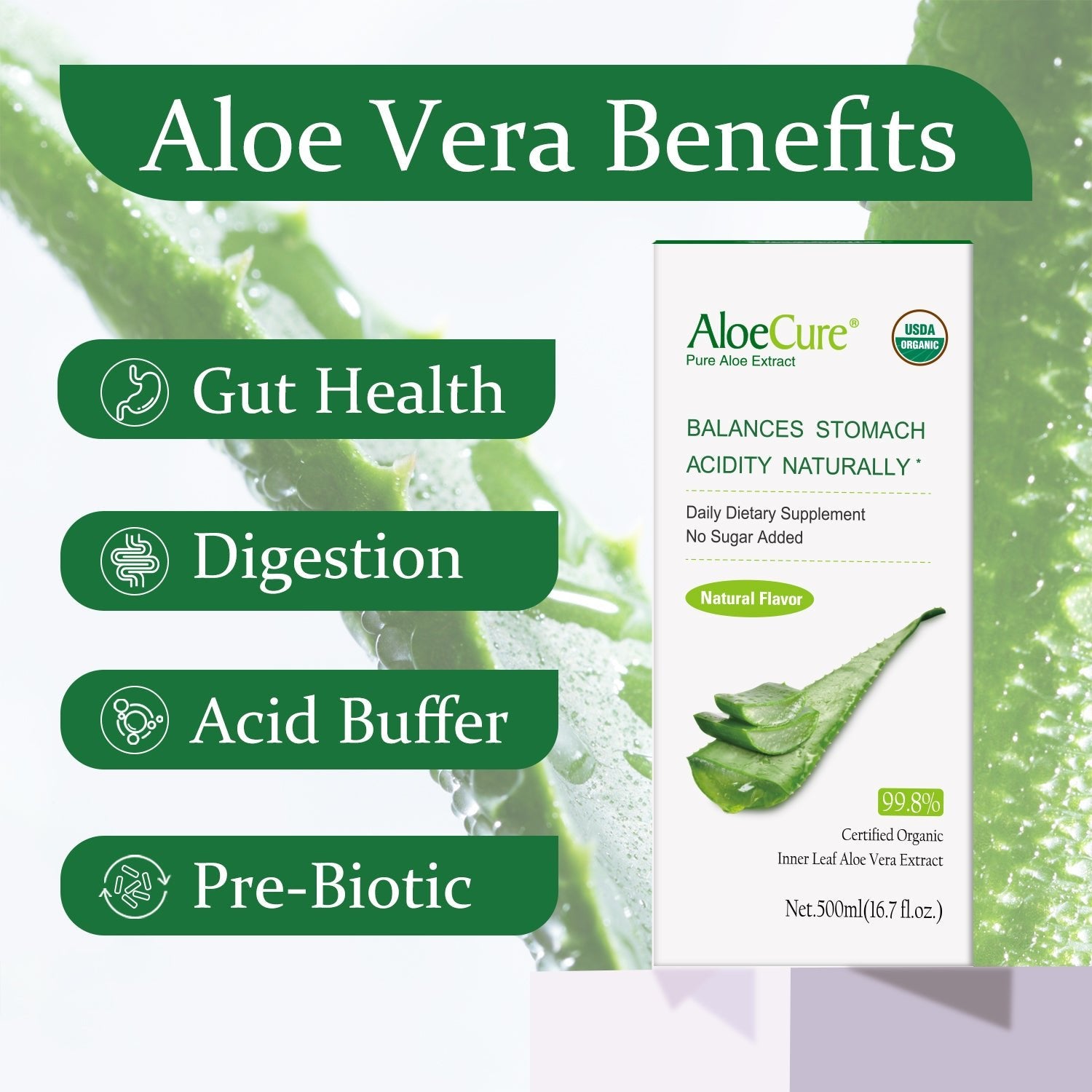
AloeCure offers organic aloe vera juice and capsule formats with farm-to-bottle processing information, so you can review the product details against the quality cues discussed here. Visit AloeCure to compare the available formulas and explore Subscribe & Save, which offers 20% off subscriptions for customers who want a consistent routine.
Comments will be approved before showing up.