Votre panier est vide

You've probably had this moment. You finish a meal that looked perfectly normal, then sit there feeling unusually heavy, slowed down, or less comfortable than you expected. Not sick. Just not quite right.
That's often when people start asking a practical question: Why take digestive enzyme supplements? The useful answer isn't “because enzymes are trendy.” It's that enzymes have one very specific job. They help your body break food into smaller parts your body can use.
The catch is that not every enzyme supplement works the way the label suggests. Some formulas may not stay active long enough to do much. Others may not clearly show what's inside. If you're going to spend money on enzyme support, it helps to know what makes a product worth considering.
Your body already makes digestive enzymes on its own. These are proteins that break down the food you eat into smaller, absorbable parts. In simple terms, they help turn a meal into usable building blocks.
A broad overview from Brain Balance on digestive enzymes explains that digestive enzymes are naturally produced by the body to break down proteins, fats, and carbohydrates into smaller, absorbable forms, and that broad-spectrum blends with proteases, lipases, and amylases can assist the body during meals.
A simple way to picture this is a kitchen line.
Food comes in as full plates. Enzymes are the workers who separate each dish into usable pieces. If that work happens smoothly, your body can move forward with normal absorption and energy use. If that work feels less efficient, meals may leave you feeling overly full or off balance.
Three enzyme groups matter most:
Each one handles a different part of the meal. That's why broad-spectrum formulas often include more than one enzyme. Real meals aren't made of just one nutrient.

This isn't just technical biology. It changes how you think about food support.
If you eat mixed meals with protein, fats, fiber, and starches, your body has to coordinate a lot at once. That's one reason some people look into added enzyme support during meals, especially when they want to help maintain normal digestive function rather than just guessing why a meal felt hard to process.
Practical rule: Enzymes don't replace healthy eating. They support the body's normal process of breaking meals into usable parts.
Some people also want more insight into whether their digestion patterns line up with enzyme-related questions. A resource like Enzyme testing for health insights can help you understand the broader conversation around amylase and digestive support before choosing a supplement routine.
Supplemental enzymes work as added support during meals. They don't replace the body's natural process. They assist it.
The easiest way to understand this is with a lock-and-key idea. Food contains nutrients your body wants to access, but those nutrients are packaged inside larger structures. Enzymes act like keys that help open those structures so your body can use what's inside more efficiently.

When you take enzymes right around mealtime, they're positioned to assist with the normal breakdown of food as digestion begins. That support can be especially appealing when meals are larger, richer, or more complex than usual.
A few examples make this easier to see:
| Meal type | What the body needs to break down | Enzyme support role |
|---|---|---|
| Pasta with grilled chicken | Carbohydrates and protein | Helps maintain normal carbohydrate and protein breakdown |
| Avocado toast with eggs | Fats, carbohydrates, and protein | Supports mixed-nutrient digestion |
| Smoothie with nut butter and oats | Fats and carbohydrates | Assists the body's natural food breakdown process |
That's why people often search for why take digestive enzyme supplements when what they really mean is, “How can I better support my body when meals feel harder to handle?”
A single-enzyme product may make sense in narrow situations, but many people prefer broad-spectrum support because most meals contain more than one major nutrient type.
If you want a simple overview of how plant-based blends are used for mealtime support, AloeCure has a helpful article on plant-based digestive enzymes.
Supplemental enzymes are most useful when they line up with what's actually on your plate.
Not everyone needs digestive enzyme supplements every day. But some people are more likely to be interested in extra support because of how they eat, how they feel after meals, or what their routine looks like.
That distinction matters. Enzymes make the most sense when they're tied to a clear goal: supporting normal food breakdown, helping maintain digestive comfort after meals, or making it easier to stay consistent with a nutrition plan.
Some common situations include:
None of those points automatically mean you need a supplement. They explain why digestive enzymes come up so often in wellness conversations.
If one of your main concerns is post-meal fullness or puffiness, this guide on understanding gastrointestinal bloating offers useful context on common reasons people feel distended after eating.
Instead of asking, “Should everyone take enzymes?” ask better questions:
Those questions are more useful than blanket claims.
For a practical checklist, AloeCure also shares common signs people look at when exploring enzyme support in this article on signs you need digestive enzymes.
If your interest in enzymes is tied to meal patterns, that's a better starting point than buying a random formula and hoping for the best.
A lot of people assume that if a label says “digestive enzymes,” the product will automatically work. That's the biggest misunderstanding in this category.
The key question isn't whether an enzyme sounds helpful. The main question is whether that enzyme can stay active long enough to reach the place where it's supposed to do its job.

Here, many shoppers get misled.
The University of Miami Health System notes in its article on whether digestive enzyme supplements are actually helpful that many experts warn the efficacy of OTC products can be nominal because most of the enzyme supplement is denatured, or diminished, in the stomach's acidic environment. In plain language, an enzyme can look impressive on the bottle and still lose activity before it gets where it needs to go.
That's why delivery matters as much as ingredients.
There's another issue. Over-the-counter enzyme supplements are sold as dietary supplements, not as drug products. That means they aren't subject to the same pre-market safety and efficacy standards.
So when you compare products, the label alone may not tell you:
A supplement can sound comprehensive and still be poorly designed.
If you've ever taken an enzyme product and wondered whether it was doing anything at all, that question is reasonable. In this category, survival and verification matter more than flashy marketing language.
If you want enzyme support that has a fair chance of doing what the label suggests, focus on three things: enzyme coverage, delivery, and verification.
That shifts the decision from “Which bottle has the nicest branding?” to “Which formula is built to support normal digestion in real conditions?”
Start with the blend itself. A useful formula for mixed meals should generally make sense for mixed meals.
Look for:
A review discussed in PMC on supplement quality considerations notes that third-party verification and rigorous quality testing are essential for ensuring digestive enzyme supplements provide consistent, reliable support for normal body function. The same source points to traceability and certified organic ingredients as factors that can help consumers feel more confident in their routine.
This is one place where brand operations matter, not just branding.
When a company controls sourcing, processing, and production, it can usually provide a clearer chain of custody for ingredients. That doesn't automatically guarantee a perfect product, but it does give you a better framework for evaluating quality.
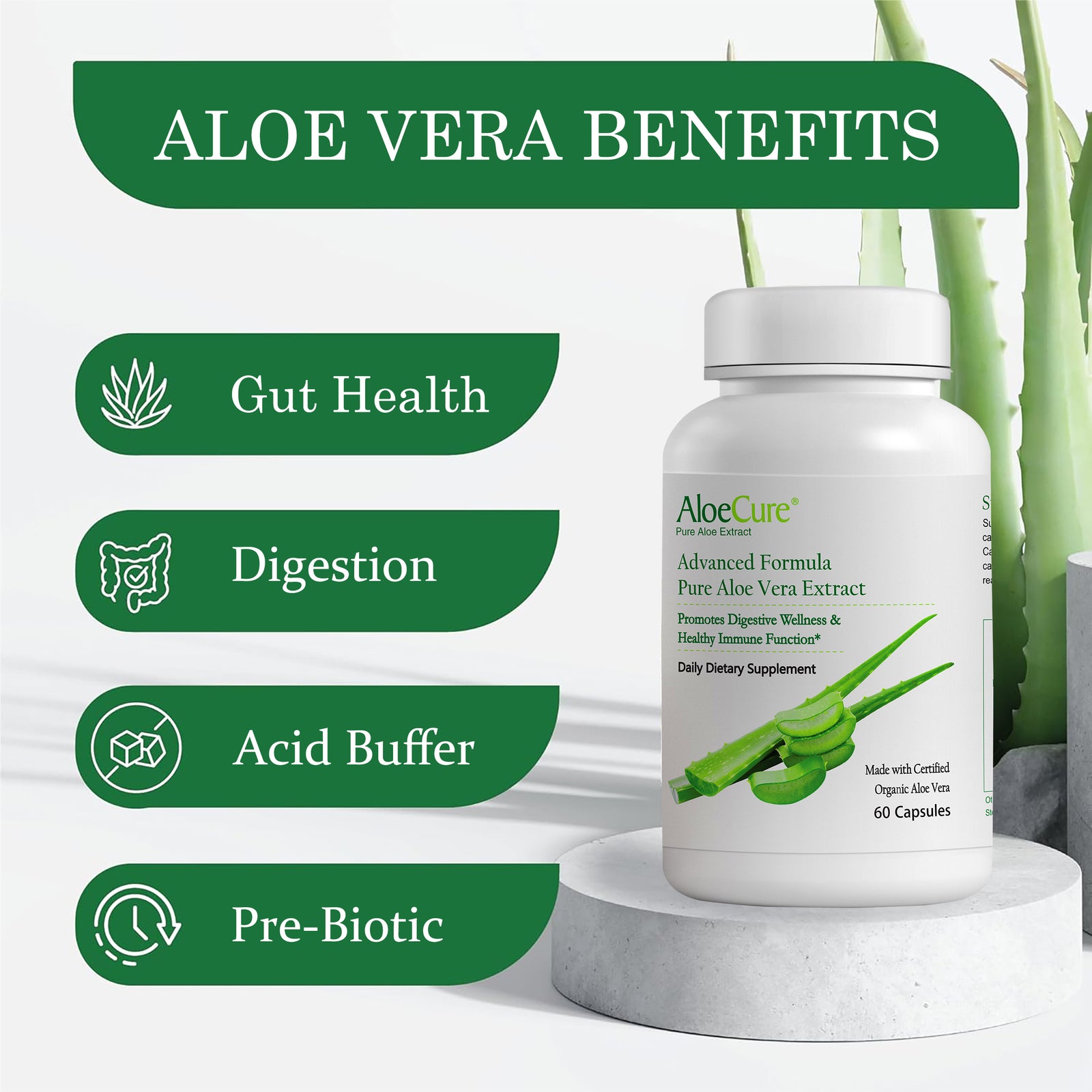
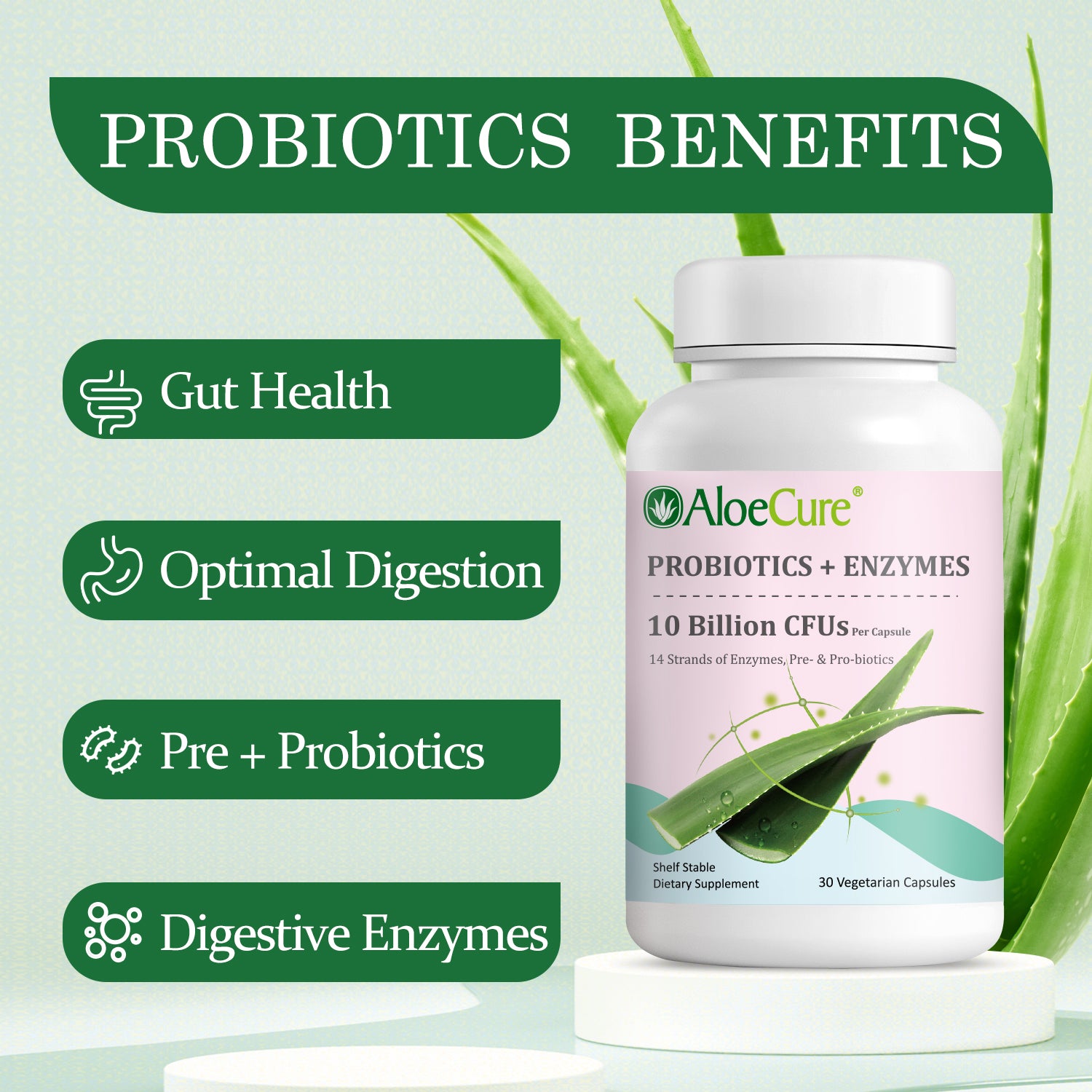
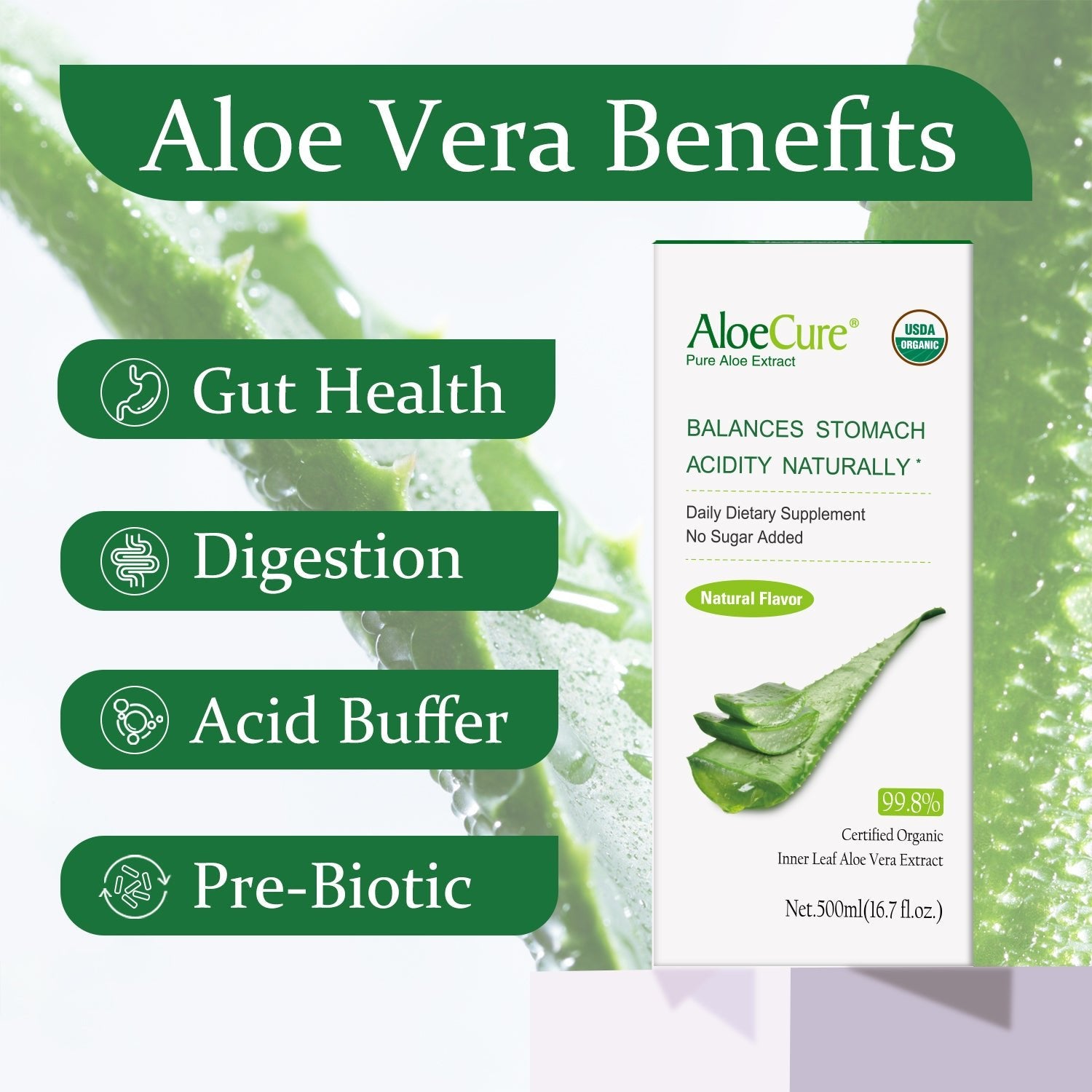
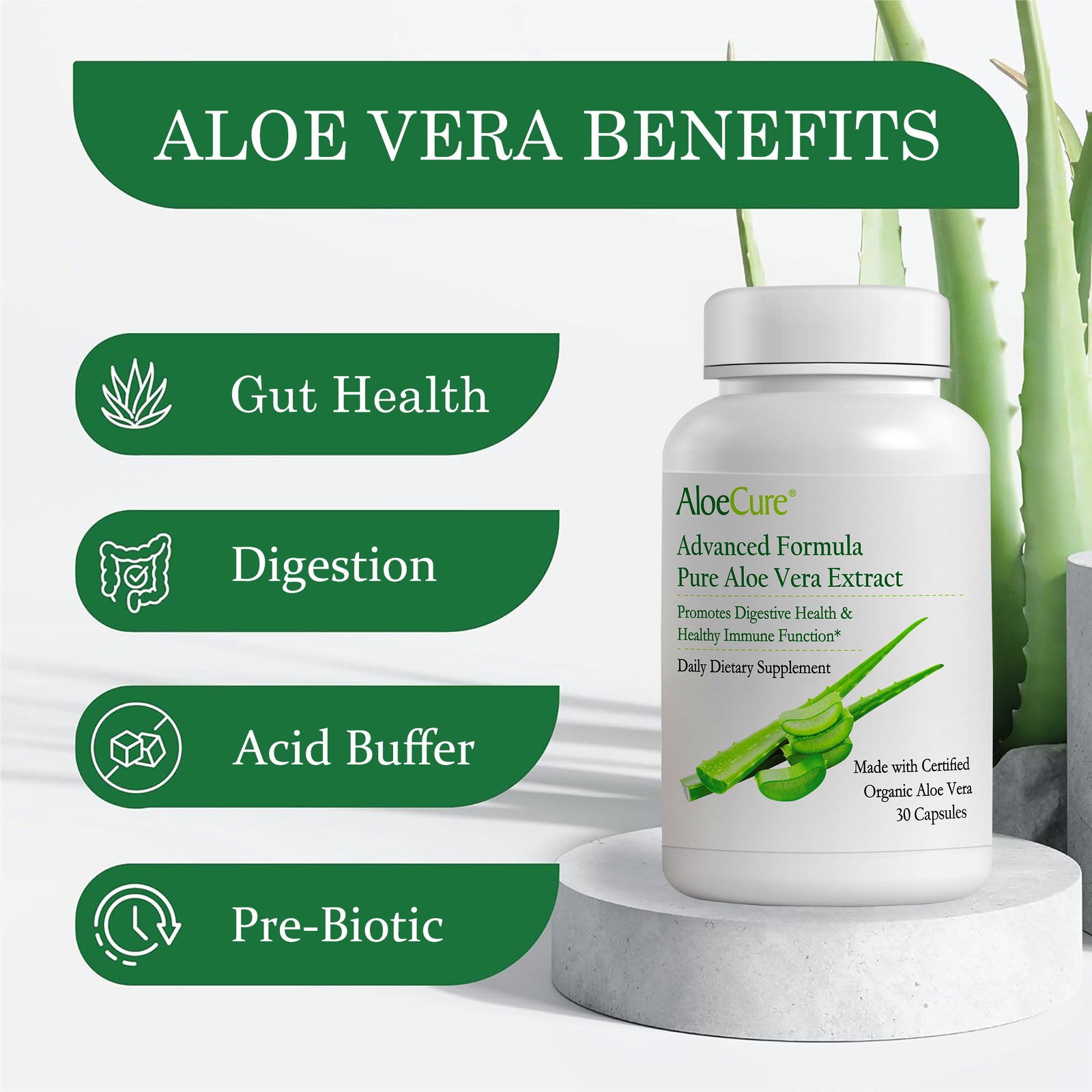
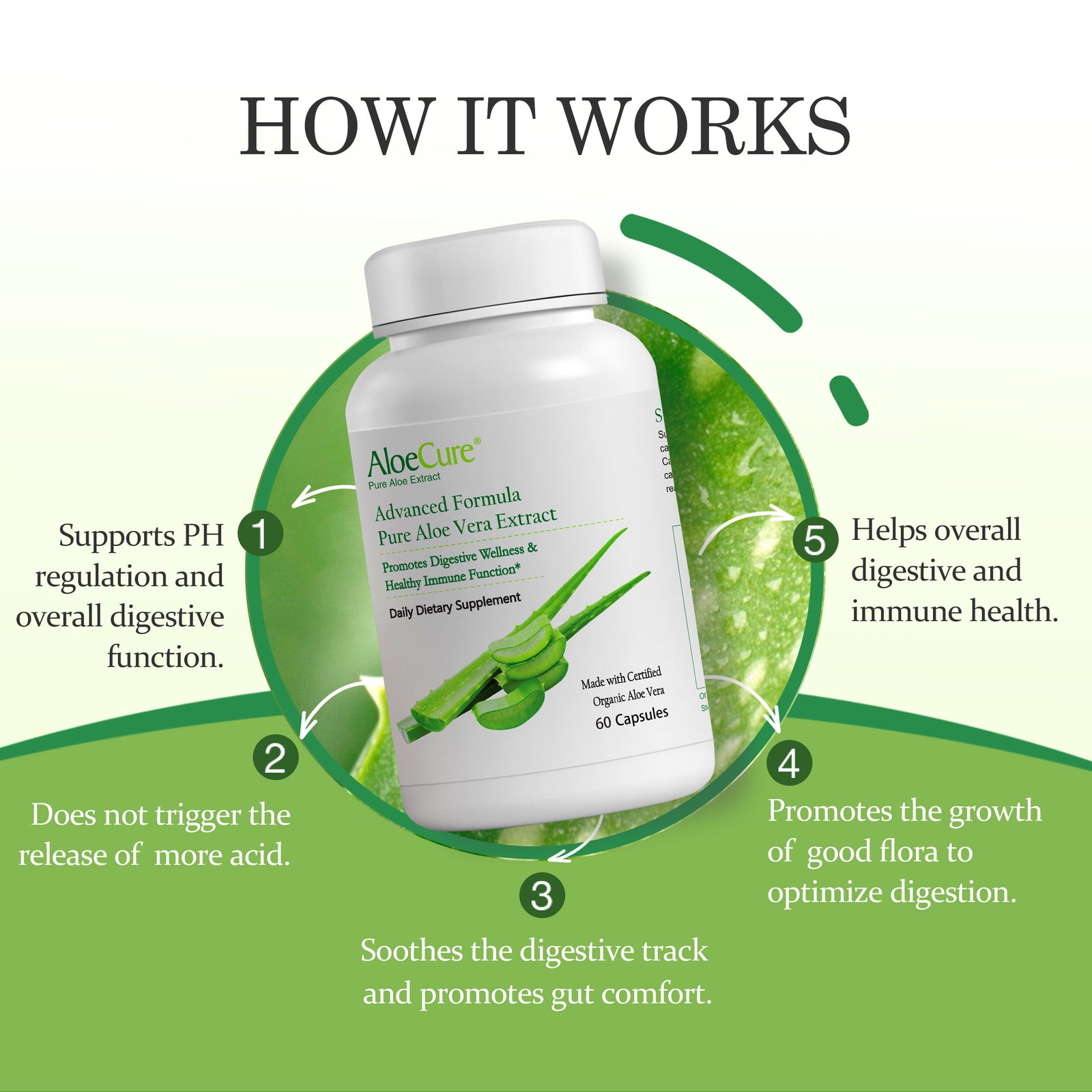
AloeCure's broad-spectrum digestive enzyme supplements are one example of how brands talk through formula design in a more practical way. The company also emphasizes vertical integration, including farming its own aloe, processing it, and producing its own products. For shoppers, that matters because it speaks to traceability rather than vague wellness language.
Here's a closer look at how buyers can think about supplement quality in practice.
Before buying, ask these four questions:
That's the consumer answer to why take digestive enzyme supplements. Not because the category sounds appealing, but because the right formula is built to support the body's natural digestive process in a way that makes practical sense.
Even a well-made enzyme supplement can fall short if you take it at the wrong time.
The simplest rule is to take it immediately before or during a meal. Culturelle's article on how to use enzymes for digestion states that this timing helps ensure enzymes are ready to assist the body in the natural process of food breakdown, which promotes efficient nutrient absorption and supports overall digestive wellness.
You don't need a complicated schedule. A repeatable approach tied to meals already eaten consistently often works best.
Try this:
Digestive enzymes are meal support tools. They aren't a substitute for slowing down, chewing well, or paying attention to how certain foods affect you.
If you're considering adding one to your routine, it's smart to discuss it with a qualified healthcare professional, especially if you have ongoing wellness concerns or questions about how a supplement fits with your overall plan.
If you've made it this far, the main takeaway is simple. The most useful reason to consider digestive enzymes isn't hype. It's targeted support for the body's normal process of breaking down food, combined with smart product selection.
A few quick questions usually come up at this point.
How long does it take to notice a difference?
That varies. Some people pay attention to how they feel with certain meals right away, while others evaluate over a longer stretch of consistent use.
Can you take digestive enzymes with a multivitamin?
Many people do, but it's still worth checking the label directions and asking a healthcare professional if you want personalized guidance.
What should you focus on first when shopping?
Start with acid-conscious delivery, a sensible broad-spectrum blend, and ingredient verification. Those three points tell you more than front-label promises.
Choose enzyme support the same way you'd choose food. Look past packaging and pay attention to what's actually inside.
You don't need to guess your way through this category. Learn what the formula includes, how it's delivered, and whether the brand can verify quality. That's how you make a more confident choice for everyday digestive wellness.
These statements have not been evaluated by the Food and Drug Administration. This product is not intended to diagnose, treat, cure, or prevent any disease.
If you want to explore a more informed option for daily digestive support, visit AloeCure to learn more about its digestive wellness products, review ingredient details, and see how the Subscribe & Save option offers 20% off with flexible delivery.
Les commentaires sont approuvés avant leur publication.