Votre panier est vide

You're standing in a store aisle, or scrolling through pages of supplements online, and every bottle seems to say some version of the same thing. Natural. Clean. Plant-based. Pure. It all starts to blur together.
That confusion makes sense. Individuals aren't trying to become supplement researchers. They just want something that supports everyday wellness without a chemistry lesson attached. The problem is that the word “natural” often tells you very little unless you know how the ingredient was grown, processed, and packaged.
Interest in natural wellness supplements isn't a niche trend. The global natural health supplement market is estimated at USD 68.0 billion in 2025 and is forecast to reach USD 109.2 billion by 2036 at a projected 4.4% CAGR, according to Fact.MR's natural health supplement market report. That tells you something important. A lot of people are looking for ways to support daily wellness with products rooted in nature.
Still, bigger shelves and more choices don't automatically make buying easier.
A common example is the person who wants support for digestion, daily balance, skin vitality, or healthy aging and ends up comparing six nearly identical labels. One bottle highlights a plant name. Another focuses on extraction. A third uses reassuring words like “whole leaf” or “premium blend.” Without context, those phrases can feel helpful while still leaving you unsure what matters.
The ingredient panel is frequently the first thing checked. That's useful, but it's only part of the story. With natural wellness supplements, where the ingredient comes from and how it was processed often matter just as much as the ingredient name itself.
Consider produce. Two tomatoes can both be called tomatoes, but one can be fresh from the garden while the other has been heavily handled before it reaches your plate. Supplements work the same way. Plant origin matters. Processing matters. Traceability matters.
Natural doesn't always mean minimally processed, and minimally processed doesn't always mean clearly explained on the front label.
If you're also building a broader nutrition routine, it can help to look at condition-specific nutrient education from qualified clinics. For example, this overview of top fertility enhancing nutrients gives a useful model for how targeted nutrient support is often discussed in a practical way.
For a deeper look at ingredient transparency, clean formulas, and what “clean label” should really mean in practice, AloeCure's guide to clean label supplements is a helpful next read.
Natural wellness supplements are products made from sources found in nature, usually plants, herbs, minerals, or naturally derived compounds, and used to support normal body function. They aren't meant to replace a balanced diet, movement, hydration, or sleep. They work more like a support system around those habits.
A simple way to think about them is this. A bowl of fresh vegetables, herbs, and whole grains gives your body a wide range of compounds in their natural context. A heavily processed snack gives you a more stripped-down version of food. Supplements can follow a similar spectrum. Some stay close to the whole-plant source. Others are far more processed.

Most natural wellness supplements fall into a few broad categories.
The phrase sounds simple, but readers often get tripped up here. A supplement can start with a natural ingredient and still go through processing steps that change its character.
That's why “natural” should raise a follow-up question, not end the conversation.
A better standard is to ask whether the product is:
If you enjoy learning how traditional green plant drinks are evaluated for authenticity and composition, this guide to authentic aojiru is a useful comparison point.
Practical lens: A natural wellness supplement should help you understand origin, form, and purpose. If the label hides those basics, it's harder to judge quality.
A quality supplement label should answer basic questions fast. What's in it? How much are you taking? Where did it come from? How was it made? If those answers are vague, that's a signal to slow down.
Many shoppers stop after reading the front of the bottle. The better approach is to treat a supplement label like a short audit.

Here are the questions worth asking before you buy.
For readers who want to build this habit, AloeCure's article on how to read supplement labels offers a practical walkthrough.
The supplement world's complexity is further highlighted: A reported 68% of consumers assume “natural” supplements are free of chemical filtration or enzymatic processing, yet FDA reviews show 42% of mass-market “natural” brands use charcoal filtration, synthetic enzymes, or chemical concentrates during processing, as summarized by Natural Health Research.
That gap matters because a label can sound clean while the production process is anything but simple.
Think of processing like making juice at home versus buying a drink made from multiple industrial steps. Both may start with fruit. The final result can still be very different in character, clarity, and retained plant complexity. The same logic applies to botanicals.
A strong supplement label usually points to a system behind it. You may see references to farm sourcing, batch testing, certifications, ingredient form, and processing timelines. Weak labels lean on mood words like pure, premium, or advanced without showing their work.
A quick comparison helps:
| What to look for | Why it matters |
|---|---|
| Named plant source | Helps you understand what ingredient you're actually buying |
| Processing transparency | Shows whether “natural” extends beyond marketing language |
| Third-party testing | Adds outside verification of purity and potency |
| Clear serving information | Supports consistent, informed use |
| Traceable supply chain | Makes it easier to trust freshness and handling |
If a company explains the ingredient but avoids explaining the process, you still don't have the full quality picture.
Plant-based ingredients are easier to understand when you connect them to ordinary wellness goals. People don't usually shop by chemistry category. They shop because they want to support digestion, daily balance, calm, mobility, or skin vitality.
That helps explain why botanicals hold such a strong place in the category. Herbal supplements account for approximately 43% of the global nutritional supplements market, with the herbal supplement market valued at USD 101.0 billion in 2025. Immune and digestive health applications together account for 35% of demand in 2025, according to Future Market Insights' herbal supplements market analysis.

A few ingredients come up again and again because people recognize them from food, tea, or traditional wellness routines.
Some readers get lost when labels switch from plant names to compound names. Here's the plain-language version.
Plants contain naturally occurring substances that do specific jobs inside the plant itself. When used in supplements, those same compounds may help support normal processes in the body. Examples include polyphenols, flavonoids, terpenoids, peptides, and polysaccharides.
You don't need to memorize every category. What matters is understanding that the quality of a botanical supplement often depends on whether those compounds are preserved.
Rather than buying the longest ingredient list you can find, start with the support you want.
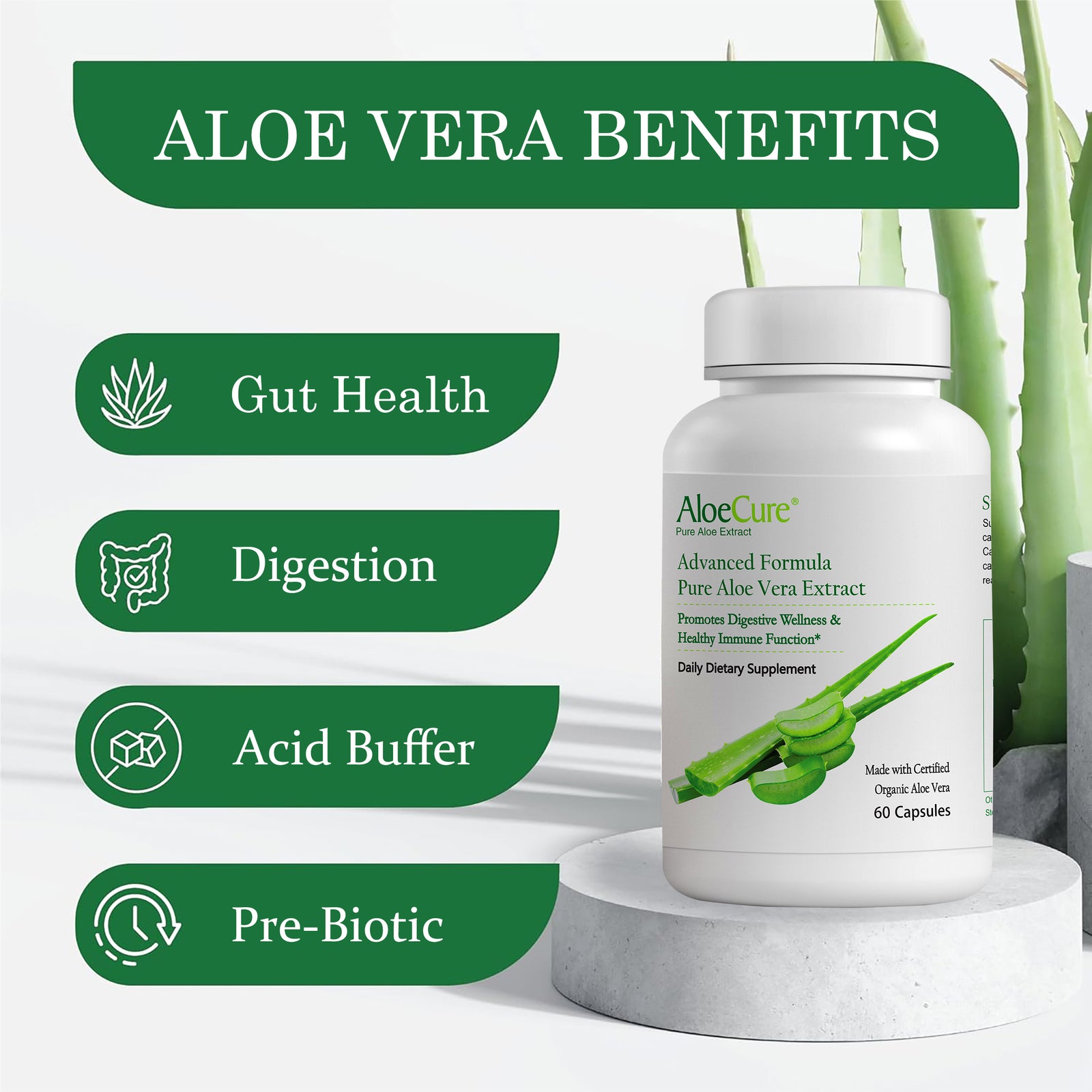
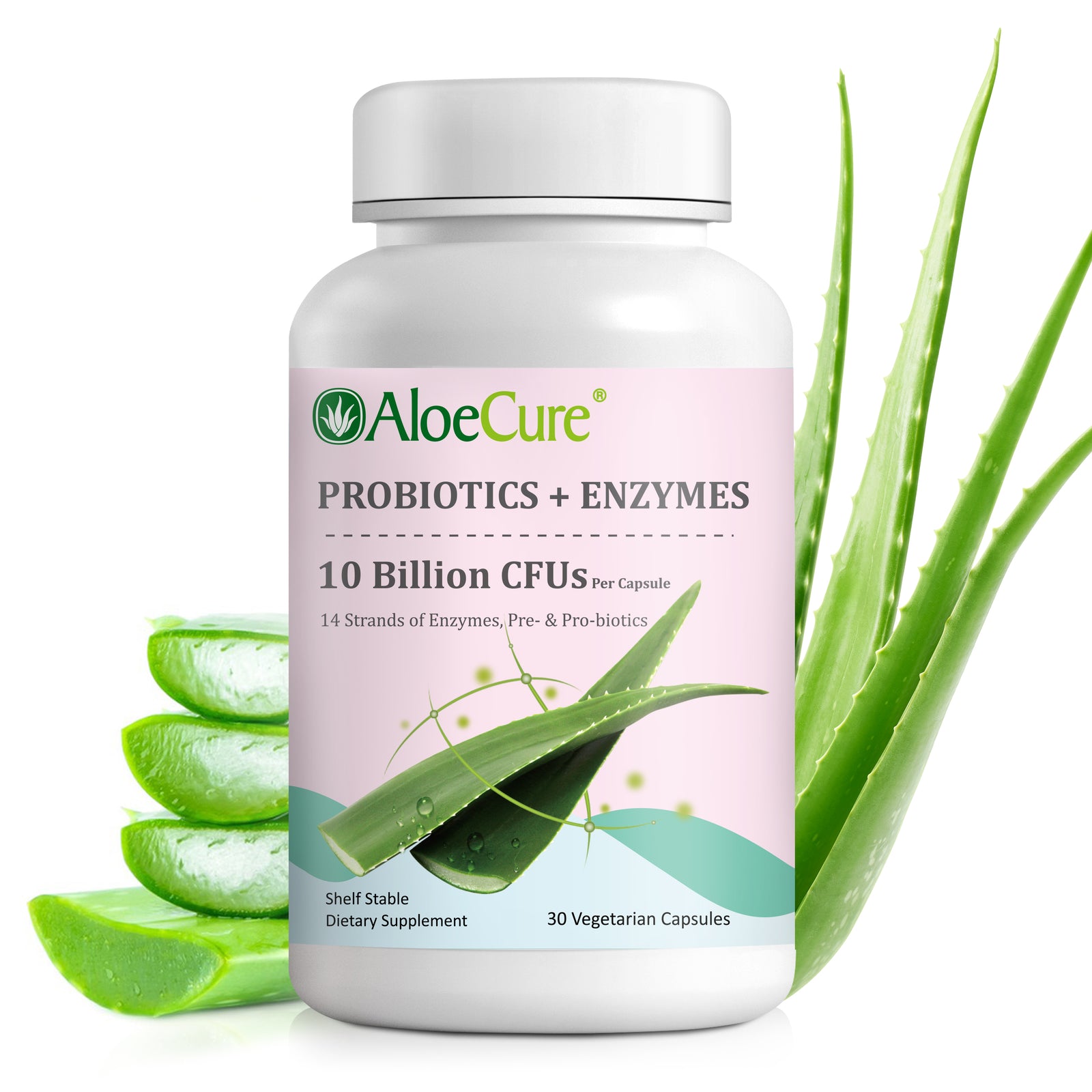
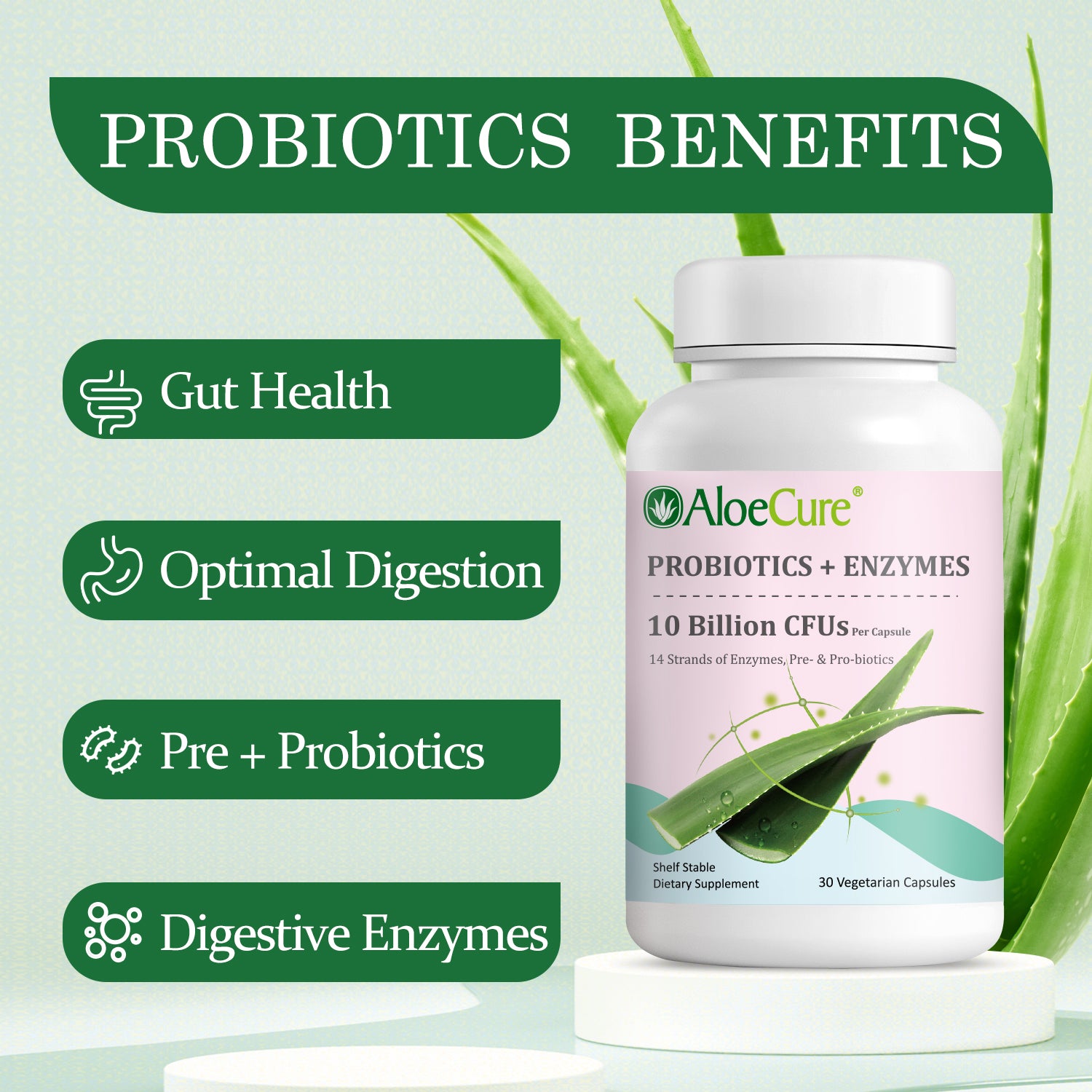
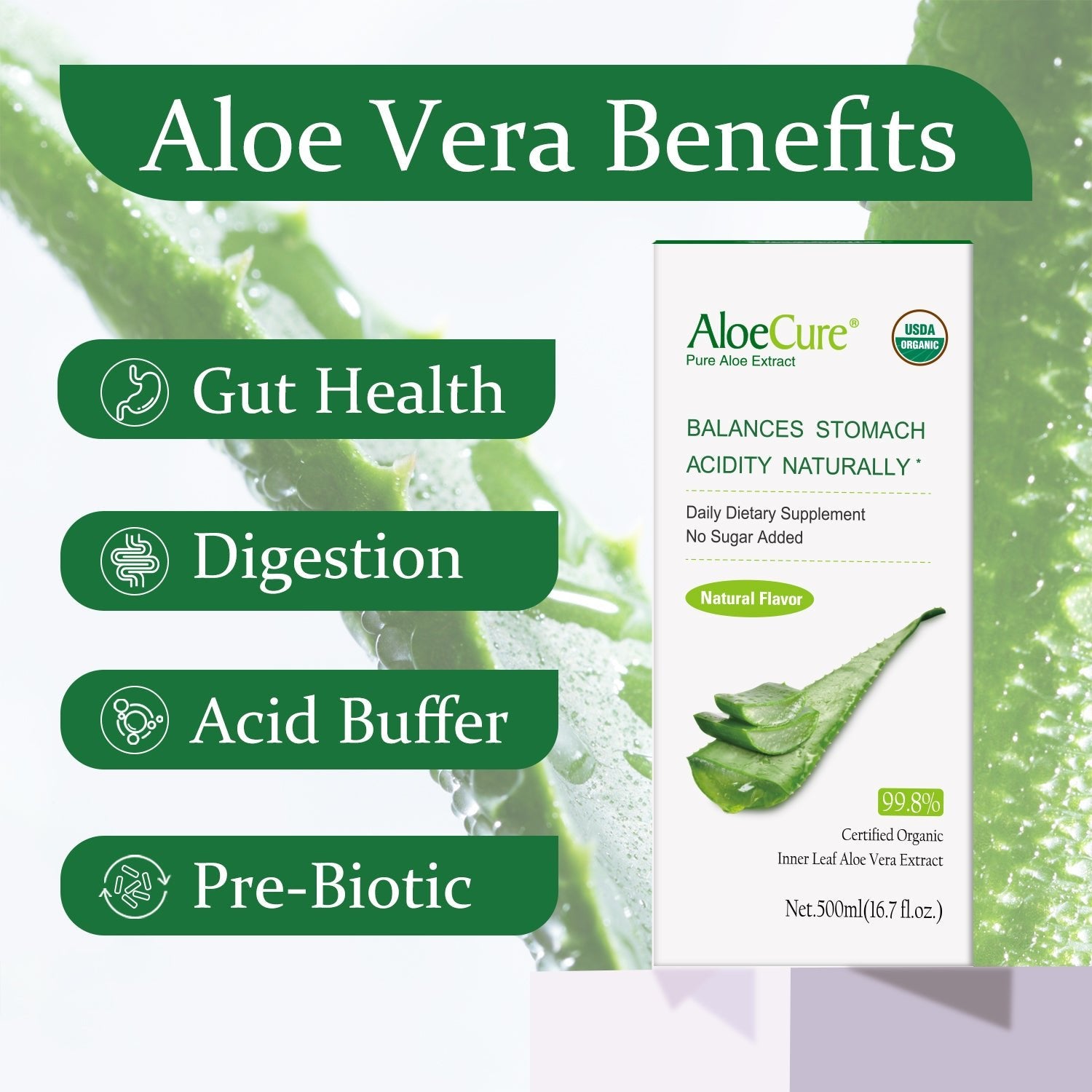
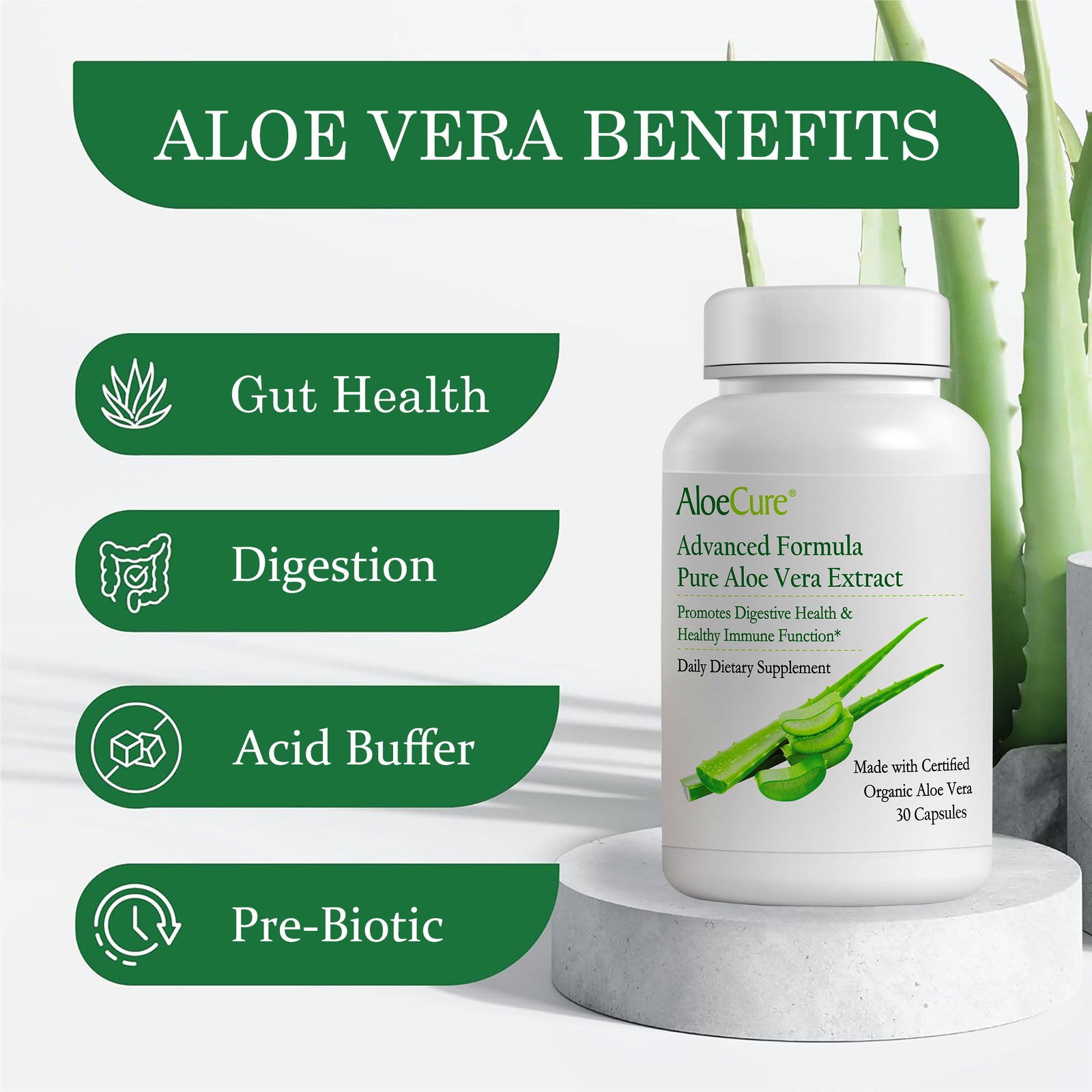
One option in this category is AloeCure Pure USDA Organic Aloe Vera Juice, which is used by people seeking plant-based digestive support in a simple liquid format.
The strongest ingredient list isn't always the longest one. The better question is whether the formula clearly supports your actual routine.
Traceability sounds technical, but the idea is simple. Can a company show you the path from field to finished bottle?
If the answer is yes, you have a much better chance of understanding quality. If the answer is no, you're often relying on marketing language instead of proof.
Many supplement brands buy ingredients from outside suppliers, blend them elsewhere, and sell the final product under one label. That model can work, but it can also create blind spots. The farther a brand is from the farm, the harder it can be to verify freshness, handling, and consistency.
A vertically integrated model is different. The same company controls cultivation, harvesting, processing, and production. That creates tighter oversight and clearer accountability.
With aloe, this matters a lot because processing methods vary more than many shoppers realize. According to this aloe processing review in Heliyon on ScienceDirect, whole-leaf aloe processing typically requires crushing leaves to less than 2 mm particles and stabilizing with acids before pasteurization, while inner-leaf methods involve manual filleting and extensive washing. AloeCure's patented hand-filleting and 12-hour on-site processing without chemical additives deviates from both standard methods.
That difference helps explain why two aloe products can look similar on a shelf while being made in very different ways.
A traceable supplement company should be able to tell you:
Those details aren't fluff. They're often the clearest signal of whether a supplement preserves the character of the original plant.
Here's a closer look at what on-site aloe handling can involve.
Farm-to-bottle traceability turns “trust us” into “here's the process.”
The safest way to use natural wellness supplements is also the least glamorous. Read the label. Follow the suggested serving. Give the product time. Pay attention to consistency rather than expecting an instant shift.
It also helps to remember how supplement language is regulated. FDA-regulated dietary supplements must use structure/function claims that describe support for normal body processes, and claims to diagnose, treat, cure, or prevent disease are prohibited, as outlined in this discussion of 21 CFR 101.93. That's why you'll see phrases like “supports healthy digestive function” instead of language tied to disease states.
If you're trying to reduce exposure to unwanted ingredients across your overall personal care and wellness routine, Skin Perfection's toxins to avoid list is a useful companion read.
Supplements work best when they support a healthy routine, not when they're expected to carry the whole load on their own.
These statements have not been evaluated by the Food and Drug Administration. This product is not intended to diagnose, treat, cure, or prevent any disease.
Natural wellness supplements usually work best as part of a steady routine. Some people notice changes quickly, especially when the product fits a clear need and they use it consistently. Others need more time. The bigger point is to look for gradual support rather than a dramatic overnight result.
Sometimes, yes, but simpler is often better. Starting several products at the same time makes it harder to tell what's helping and what isn't. If you're combining products, it's smart to review ingredient overlap and ask a qualified healthcare professional for guidance.
Organic certification can matter because it adds another layer of accountability around how a plant ingredient was grown and handled. It doesn't answer every quality question, but it can be a useful signal when paired with traceability, testing, and clear processing information.
Start with three things. First, where the ingredient comes from. Second, how it was processed. Third, whether the brand can explain both in plain language. If you want a better sense of how outside verification fits into that process, AloeCure's overview of what is third-party testing is a practical resource.
The best form is the one you'll use consistently and that matches the ingredient well. Liquids can be appealing for people who want a simple daily routine. Capsules are convenient and portable. Powders can fit well into smoothies or morning habits. Form matters, but purity and processing still matter more.
If you want a supplement brand that centers plant integrity, traceability, and farm-direct aloe processing, explore AloeCure. You can shop the product line or sign up for Subscribe & Save to get 20% off recurring orders.
Les commentaires sont approuvés avant leur publication.