Votre panier est vide

You're eating all the right things—clean proteins, fresh vegetables, whole grains—but you're just not feeling that vibrant energy you're supposed to. Sound familiar? If you’re not seeing the results you expect from a healthy diet, the problem might not be what you're eating, but what your body is actually absorbing.
This is where the real magic happens. Getting your body to soak up all the goodness from your food is the key to unlocking the true power of your wellness journey. It’s all about supporting your digestive system so it can work for you, not against you.
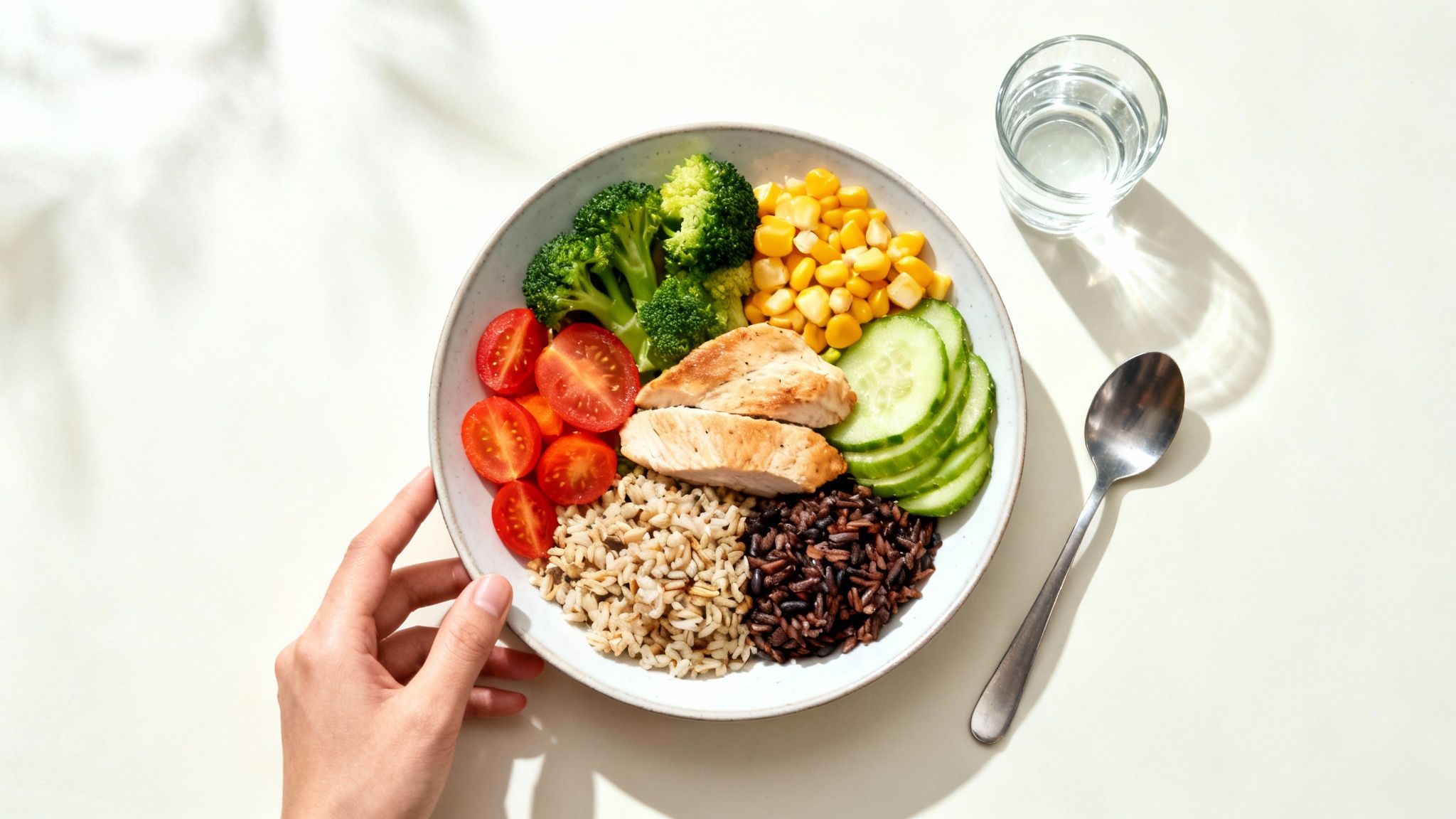
Optimizing how your body takes in nutrients ensures that every vitamin, mineral, and antioxidant from your food gets put to good use, fueling everything from your energy levels to your immune function.
The efficiency of this entire process is called bioavailability. It’s a crucial piece of the puzzle for getting the absolute most from every meal. To get a better handle on this, check out our guide that breaks down exactly what is bioavailability.
Think of your digestive system as a finely tuned engine. When every part is working in harmony, it runs smoothly and efficiently. A balanced internal gut ecosystem is your best friend here, helping to break down foods properly so nutrients can be absorbed with ease. The good news is that simple, everyday habits can make a huge difference.
The goal isn't about restrictive dieting. It's about creating an internal environment where every healthy meal you eat works as hard as possible for your well-being.
Sometimes, how you eat is just as important as what's on your plate. Taking the time to eat slowly and without distraction, a practice known as mindful eating, actually signals your body to prepare for digestion, setting the stage for better absorption before you even take your first bite.
If you're looking for simple ways to start making a difference right away, here are a few actionable tips.
Here's a quick summary of simple, effective strategies you can start today to support your body's ability to absorb nutrients from food.
| Strategy | Why It Supports Absorption | Simple Action to Take |
|---|---|---|
| Mindful Eating | Prepares your body for digestion by activating the "rest and digest" nervous system. | Put your fork down between bites and chew your food thoroughly (aim for 20-30 chews). |
| Proper Hydration | Water is essential for breaking down food and transporting nutrients throughout the body. | Drink a glass of water 30 minutes before a meal, but avoid chugging water during the meal. |
| Food Pairing | Certain nutrients enhance the absorption of others. | Squeeze lemon juice (Vitamin C) on spinach (iron) or eat bell peppers with your beans. |
| Manage Stress | Everyday stress can disrupt digestive function and reduce nutrient absorption. | Take 5 deep breaths before you start eating to calm your nervous system. |
These small adjustments can create a powerful ripple effect, leading to better overall digestive health and nutrient uptake.
Two of the biggest helpers in this process are digestive enzymes and probiotics. They might sound technical, but they're pretty straightforward concepts that are easy to support through your diet.
Digestive Enzymes: Think of these as tiny biological scissors. They chop up large food molecules—like proteins, fats, and carbs—into smaller, more manageable pieces that your body can actually absorb.
Probiotics: These are the "good guys" in your gut. These beneficial bacteria help create a healthy gut environment that's primed for efficient digestion and nutrient uptake.
By focusing on these foundational elements, you can start making your healthy diet work smarter for you. Let's dive into some practical strategies to make that happen.

Think of your digestive system as a personal, internal garden. For this garden to truly flourish and give you the best "harvest"—in this case, optimal nutrient absorption—it needs a team of diligent gardeners. These gardeners are the beneficial microorganisms, or probiotics, that reside in your gut.
When your internal ecosystem is balanced and diverse, it’s much better at breaking down the food you eat and unlocking the vitamins and minerals inside. Supporting this balance is a cornerstone of overall wellness, ensuring your body can actually use everything you consume.
Probiotics are much more than a wellness trend; they're essential workers in your digestive system. These helpful bacteria help create a healthy environment that supports the entire digestive process. A thriving population of probiotics is key for breaking down tough fibers and complex carbs that your body can’t tackle alone.
What’s more, they actually produce certain vitamins, like some B vitamins and vitamin K, right where your body needs them. To get the full picture, it’s helpful in understanding prebiotics and probiotics for gut health. Think of prebiotics as the fertilizer that helps your probiotic "gardeners" thrive.
You can easily get more probiotic-rich foods into your daily routine.
Yogurt and Kefir: Always look for options with "live and active cultures."
Fermented Vegetables: Sauerkraut, kimchi, and unpasteurized pickles are fantastic sources.
Kombucha: This fermented tea is a popular and tasty way to get a dose of probiotics.
Adding these foods to your diet helps replenish the beneficial bacteria that are so vital for your digestive wellness. This has a direct impact on how you improve nutrient absorption from every single meal.
If probiotics are the gardeners, then digestive enzymes are their specialized tools. These powerful proteins act as catalysts, speeding up the chemical reactions that break down fats, proteins, and carbohydrates into smaller, absorbable pieces. Without them, even the most nutrient-packed meal wouldn't do you much good.
Your body naturally produces its own digestive enzymes, but you can also get them from certain raw foods.
Pineapple: Contains bromelain, an enzyme that’s great for breaking down protein.
Papaya: Rich in papain, another protein-digesting enzyme.
Mango and Banana: Contain amylases, which help break down carbohydrates.
The challenge is that modern diets, often heavy on cooked and processed foods, can lack these natural enzyme sources. This is where getting some targeted support can make a noticeable difference in your digestive comfort and efficiency.
By making sure you have enough of both probiotics and digestive enzymes, you’re creating a powerful system where food is broken down effectively and nutrients are ready for your body to put to good use.
Keeping this delicate internal balance can feel complicated. Between busy schedules and dietary limits, it’s not always realistic to get enough probiotics and enzymes from food alone.
This is where a high-quality supplement can step in to provide reliable, concentrated support. A well-made product will combine the key players—prebiotics, probiotics, and digestive enzymes—to offer a complete solution for digestive harmony. For a deeper dive, you might find our article on the roles of prebiotics, probiotics, and enzymes in gut health helpful.
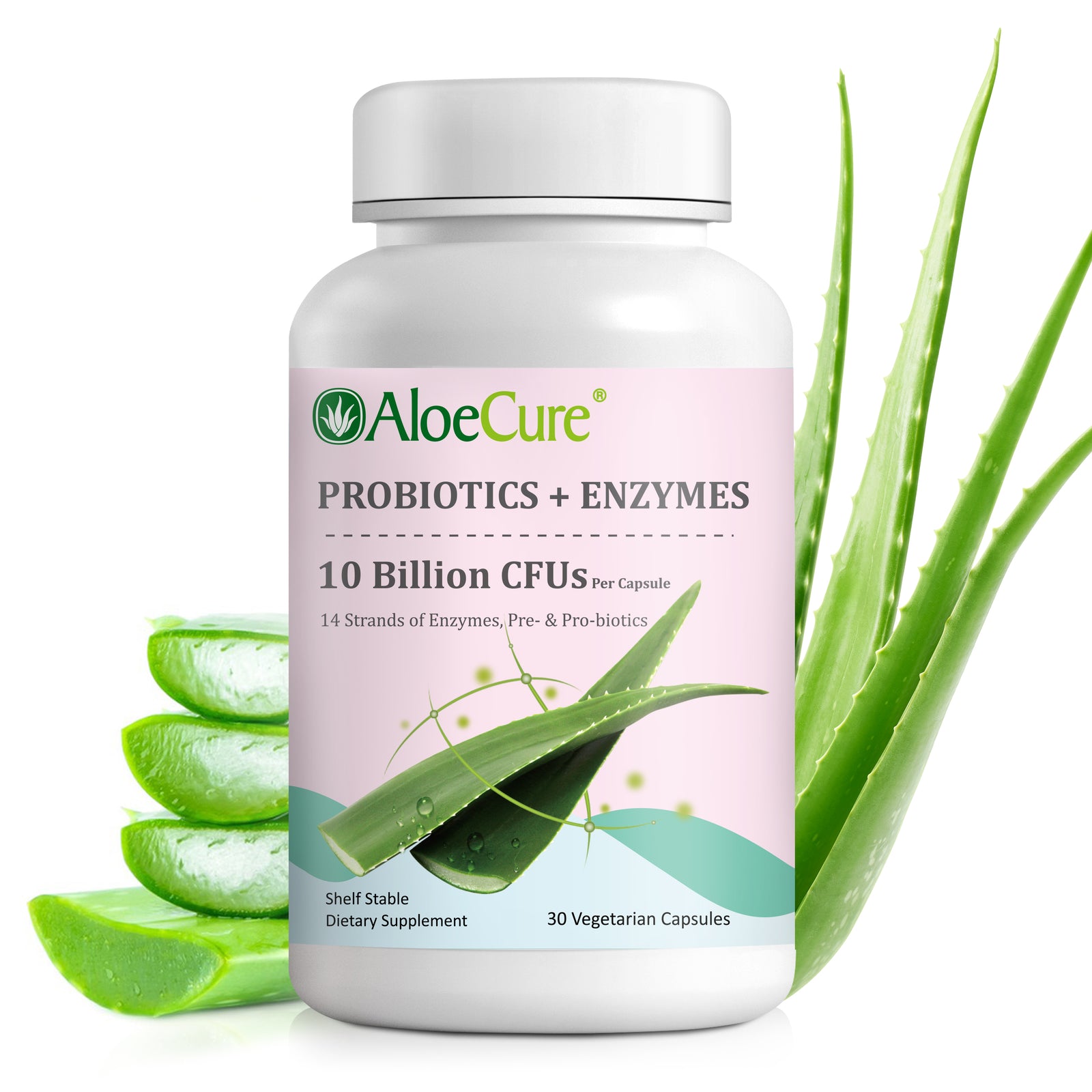
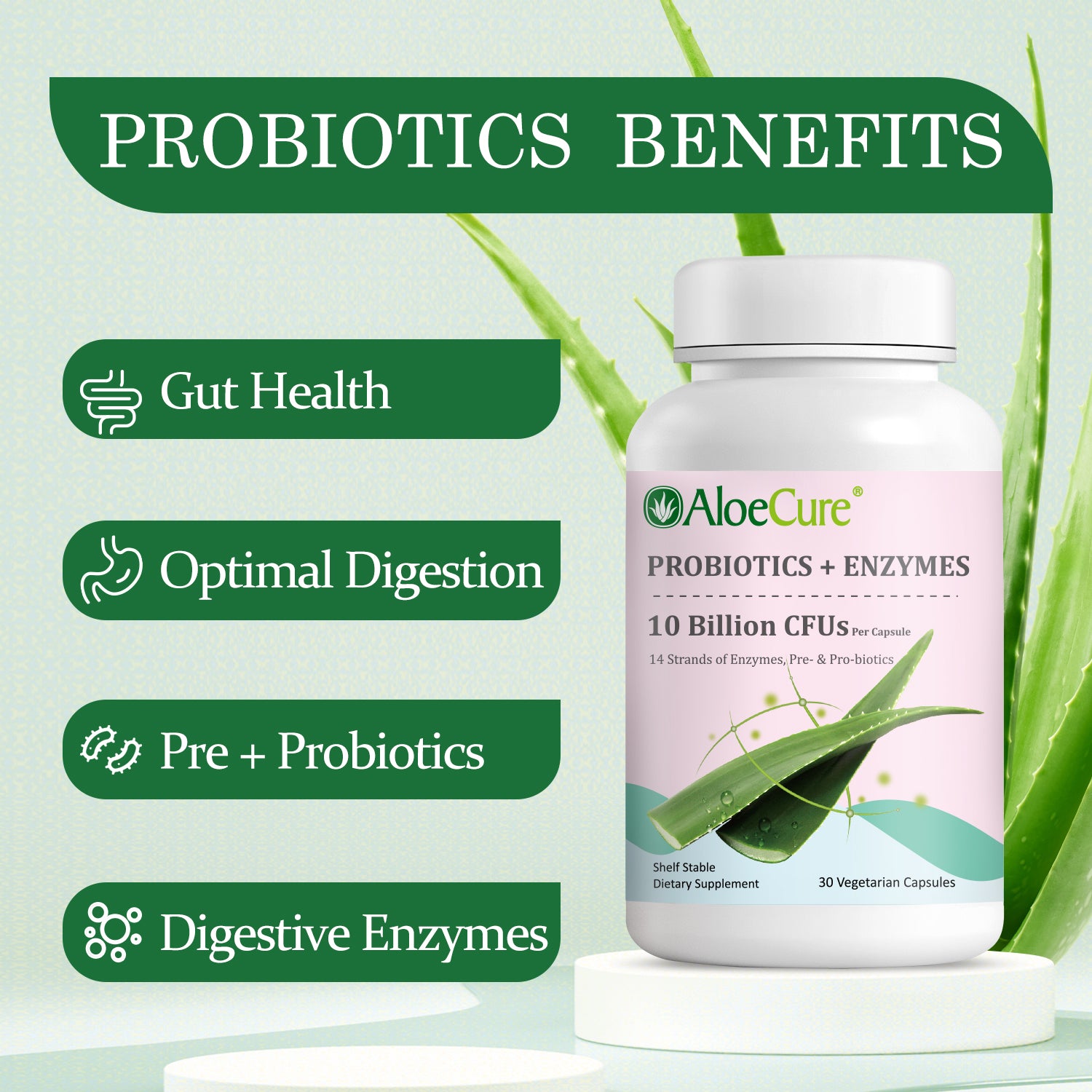
A thoughtfully designed formula like AloeCure's Pre+Probiotic & Digestive Enzyme Capsules offers this kind of targeted support. It helps your body get more from every meal by promoting digestive comfort and supporting the efficient breakdown and absorption of nutrients. It's a practical step toward making sure your healthy choices translate into real wellness benefits.
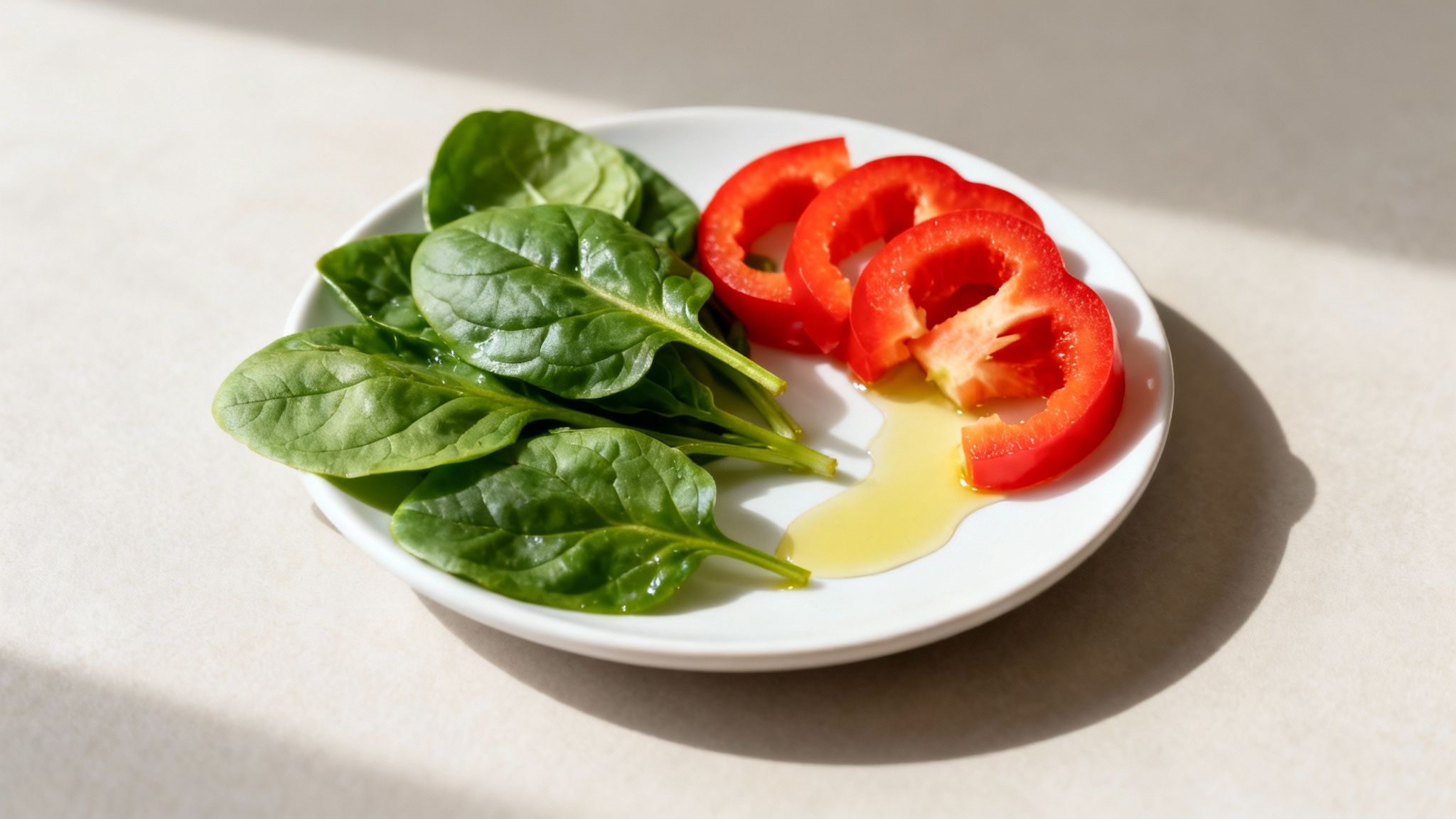
What you eat is definitely important, but how you combine your foods can be a total game-changer for nutrient absorption. This concept is called food synergy, and it’s built on a simple yet powerful idea: certain nutrients just work better together, helping your body get more wellness from every single bite.
Think of it like a team where each player helps the others perform their best. When you pair specific foods, you create an environment where vitamins and minerals become much more available for your body to actually use. It's a practical and delicious way to improve nutrient absorption without having to overhaul your entire diet.
One of the best-known examples of food synergy involves iron, a mineral that’s absolutely vital for energy levels and healthy red blood cells. Food has two main types of iron: heme iron from animal sources and non-heme iron from plants. That non-heme iron, found in foods like spinach, lentils, and beans, can be tough for the body to absorb on its own.
This is where Vitamin C comes to the rescue. It acts as a powerful enhancer, converting plant-based iron into a form that's way easier for your body to take in. This one simple pairing can make a huge difference in how much iron you actually get from your meals.
Practical Meal Ideas:
Spinach Salad: Top your fresh spinach with sliced bell peppers or strawberries.
Lentil Soup: Squeeze a generous amount of fresh lemon juice into your bowl before serving.
Bean Burritos: Always add a side of fresh tomato salsa.
These small additions boost both flavor and function, making sure you get the most out of your iron-rich plant foods.
Vitamins A, D, E, and K are what we call fat-soluble vitamins. This means they literally need to be eaten with a source of dietary fat to be absorbed and transported into your bloodstream. If you're eating a big salad full of colorful, vitamin-rich vegetables but using a fat-free dressing, you could be missing out on many of their incredible benefits.
A study found that people absorbed significantly more carotenoids (a form of Vitamin A) from a salad when it was paired with a full-fat dressing compared to a fat-free one. Simply adding a healthy fat source makes your vegetables work harder for you.
To put this into practice, make it a habit to pair your vitamin-rich veggies with a quality fat.
Simple Pairings for Better Absorption:
Add avocado or a handful of nuts to your salad.
Sauté dark leafy greens like kale or collards in a bit of olive oil.
Roast carrots or sweet potatoes (which are rich in Vitamin A) with coconut oil.
Turmeric gets a lot of praise for its active compound, curcumin, which helps support a healthy internal balance. The catch? Curcumin has very low bioavailability on its own, meaning very little of it actually gets absorbed into your body when you eat it alone.
The solution is surprisingly simple: black pepper. Black pepper contains piperine, a compound that can support the absorption of curcumin by an incredible amount. When you use these two spices together, you’re making sure your body can actually access and use the beneficial properties of turmeric.
This is exactly why you'll often see them combined in traditional recipes and modern supplement formulas. When you're cooking, try to make it a habit to add a pinch of black pepper anytime you use turmeric to truly maximize its potential.
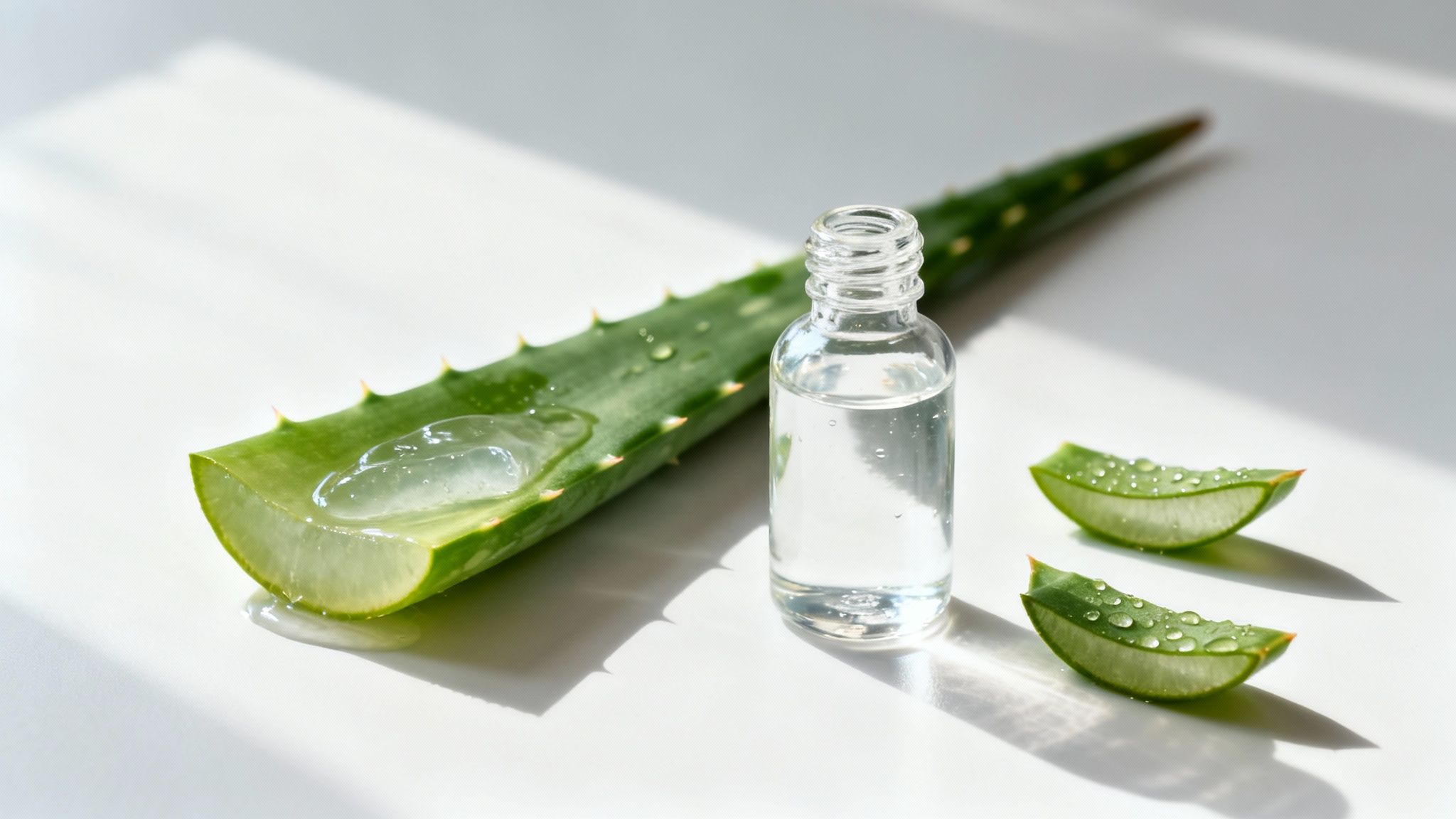
While smart food pairings and probiotics are fantastic tools in your wellness kit, they can only work their magic if your digestive system is ready to receive them. The real foundation for absorbing nutrients efficiently is a healthy digestive lining.
Think of it like a gatekeeper. This surface is where all the vitamins and minerals from your food have to pass through to get into your bloodstream and actually fuel your body.
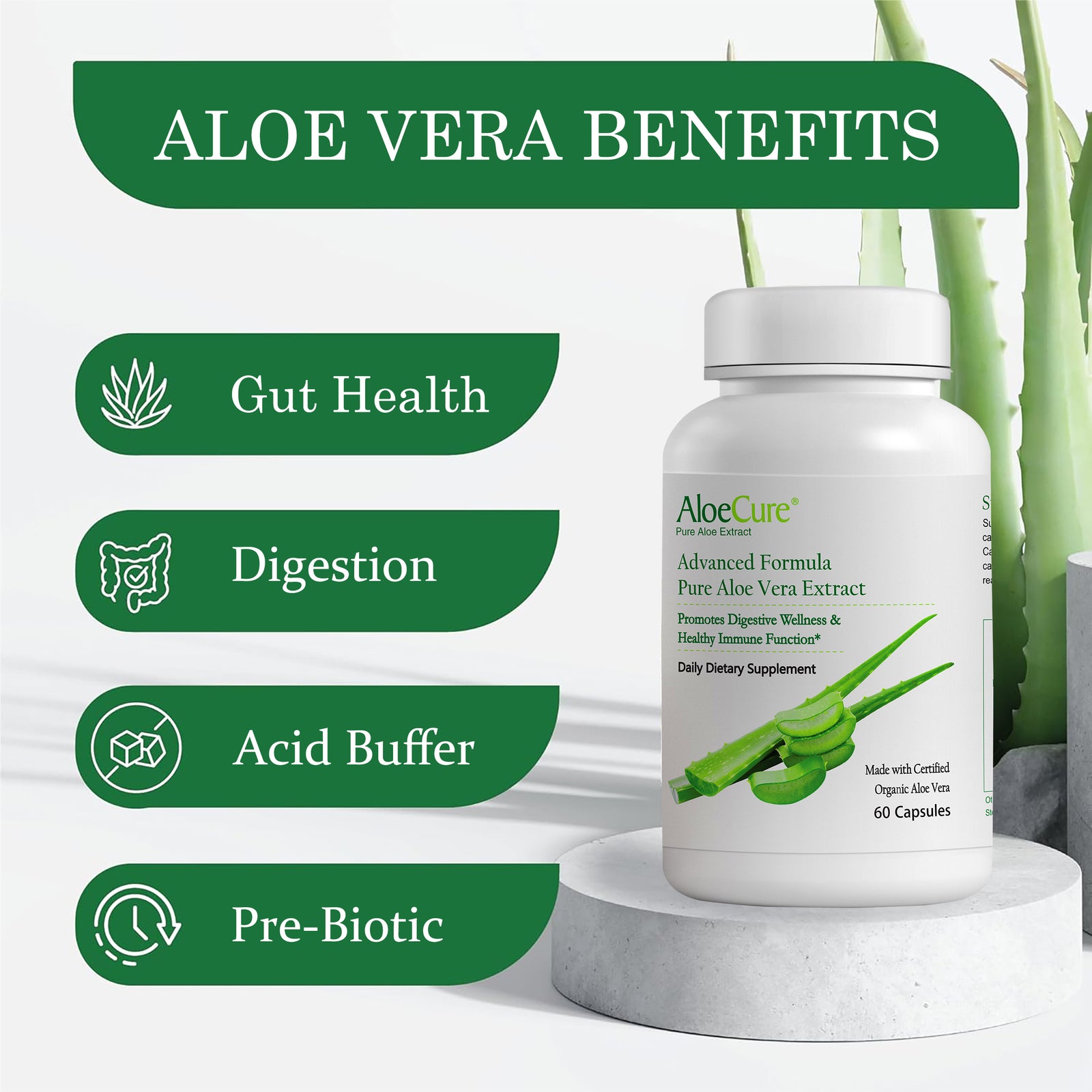
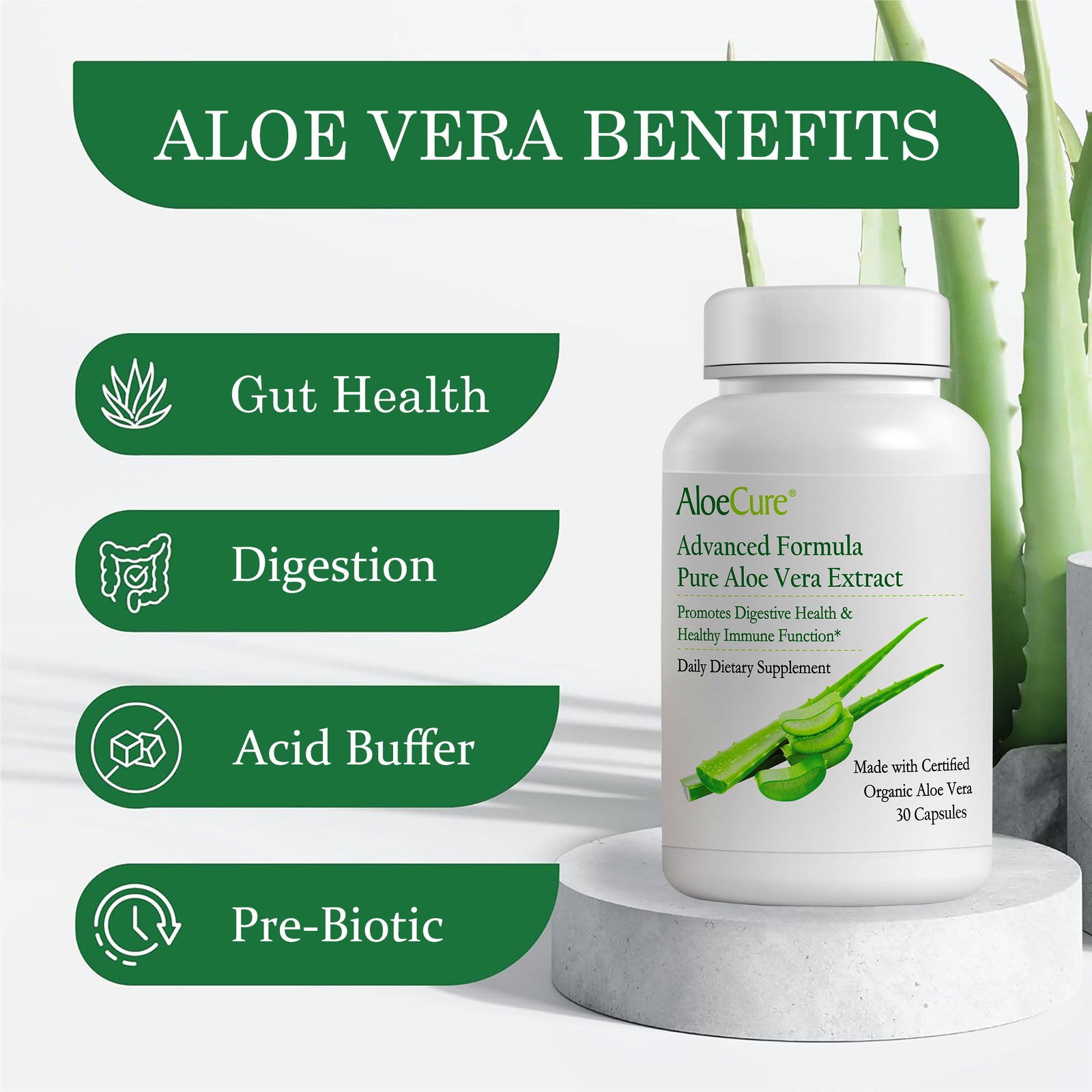
When this foundation is in good shape, it creates the perfect environment to improve nutrient absorption. And that's where pure, organic aloe vera can play a uniquely supportive role in your daily routine.
Let's be clear: not all aloe vera is created equal. The quality and processing methods make a world of difference. Many large-scale brands cut corners with harsh chemical processing or charcoal filtration, which can strip away the very compounds you're looking for.
This is what sets AloeCure apart. We are fully vertically integrated, giving us complete control over every single step.
We grow our own aloe: All our aloe vera comes from our own USDA-certified organic and sustainable farms. No guesswork about quality, ever.
We process it ourselves: We process our hand-picked aloe leaves right on-site within 12 hours of harvest. This is key to locking in freshness and preserving the plant's delicate compounds.
We make our own products: Our proprietary, all-natural processing method skips the harsh chemicals and filtering others use, so you get a pure, clean product.
This meticulous approach means the aloe vera you get from us is as close to its natural state as possible, delivering the quality your body deserves.
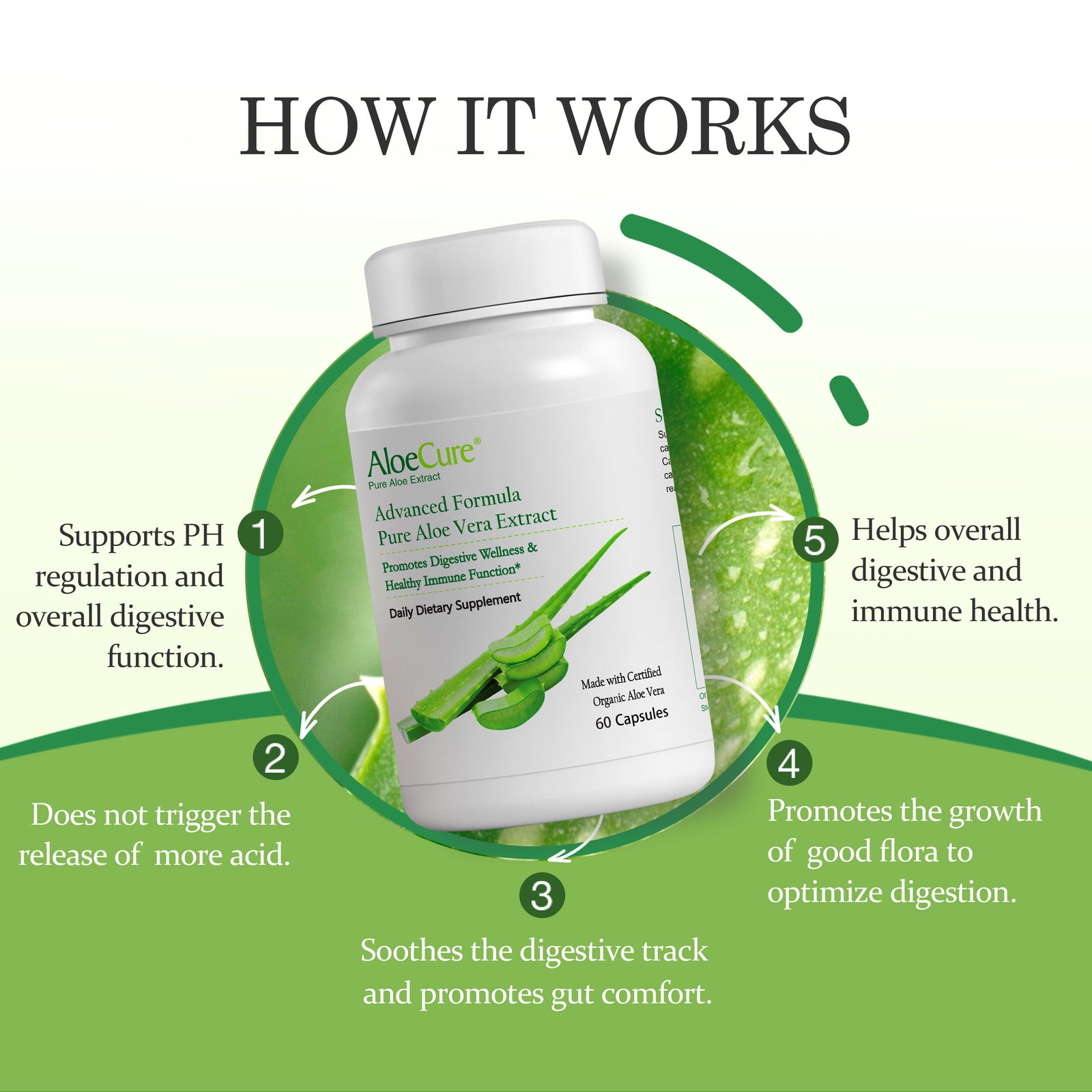
The real power of aloe vera comes from its complex mix of natural compounds, especially polysaccharides. These are the long-chain sugars that help support your body's natural protective processes inside the digestive system. The catch is, they're sensitive and easily damaged by aggressive processing.
By avoiding harsh chemicals and charcoal filtering, AloeCure’s method preserves the peak bioactivity of the aloe. This means you get a product rich in the natural polysaccharides that support a balanced internal environment.
A calm, balanced digestive system is simply better at its job—soaking up all the goodness from your food. Adding a high-quality aloe vera juice to your day can be an easy yet powerful way to support this fundamental part of your health. For a deeper dive, check out our article on the connection between aloe vera and gut health.
Working aloe vera into your daily life couldn't be easier. Did you know that pairing your meals with organic aloe vera juice can be a fantastic way to support nutrient uptake, especially for minerals like calcium and magnesium?
Studies suggest that a healthy gut lining is crucial for absorbing a high percentage of the vitamins and minerals from what you eat. However, for many adults, factors like digestive imbalances can reduce that efficiency. The natural polysaccharides in aloe vera help maintain the integrity of that lining, promoting better uptake.
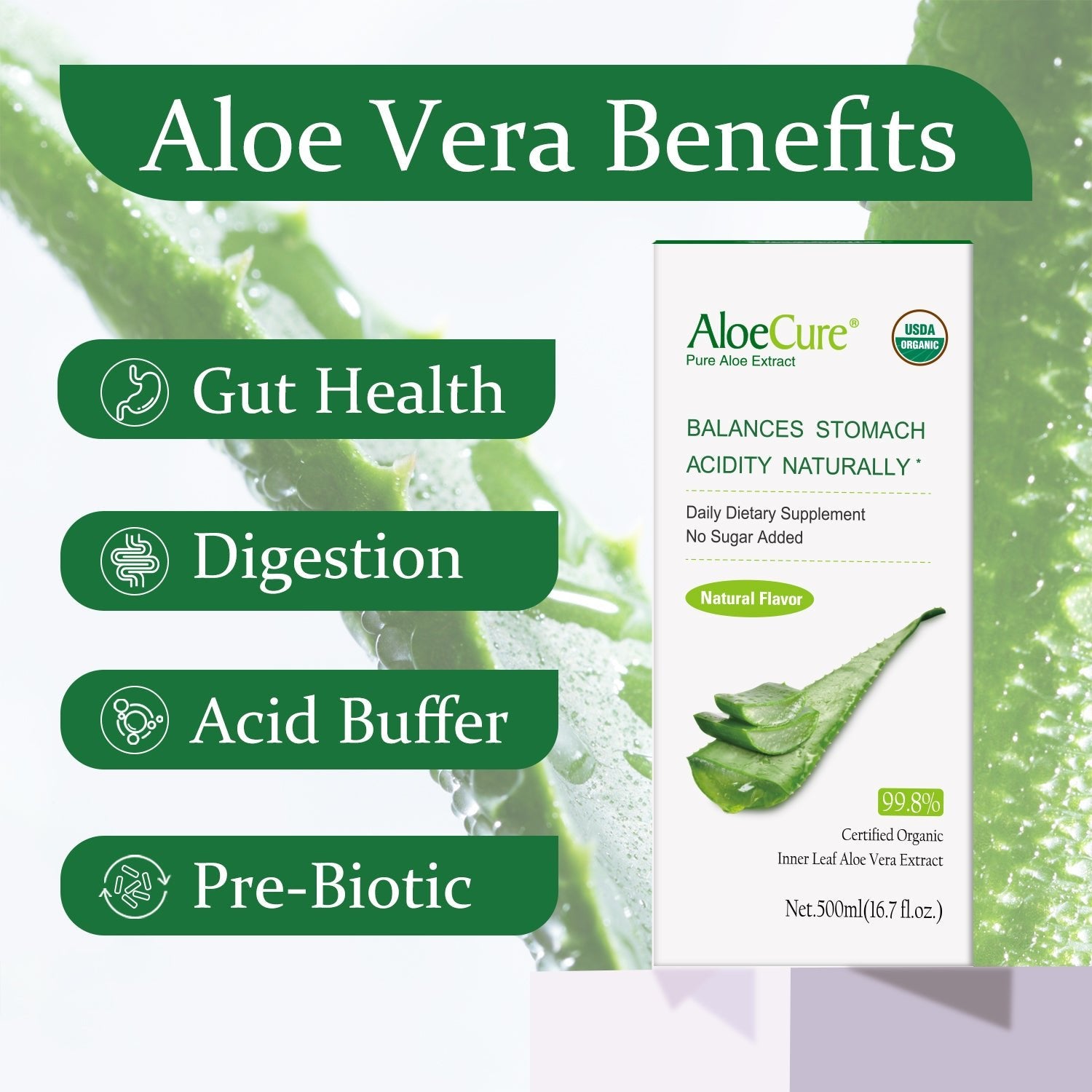
When you choose AloeCure, you're getting more than just aloe vera—you're getting a commitment to purity and potency you can actually feel. Our USDA-certified organic Aloe Vera Juice is the perfect addition to your wellness toolkit.
Whether you mix it into a morning smoothie or drink a little before a meal, you're giving foundational support to the very system that nourishes your entire body. It's a simple, proactive step to make sure every healthy choice you put on your plate delivers its full potential.
These statements have not been evaluated by the Food and Drug Administration. This product is not intended to diagnose, treat, cure, or prevent any disease.
While what you eat is obviously foundational, how you live your day-to-day life has a huge impact on what your body actually absorbs. It's often the small, seemingly minor habits that add up, creating an internal environment where your digestive system can really do its job.
Learning how to improve nutrient absorption isn't just about what's on your plate. By tuning into your body's need for rest, movement, and calm, you set the stage for every healthy meal to deliver its full nutritional punch.
In our hectic world, it’s all too common to scarf down a meal while scrolling through your phone or firing off emails. This kind of distracted eating can seriously get in the way of proper digestion. The simple act of slowing down is one of the most powerful tools you have.
Mindful eating isn't about restriction; it's about being present. When you eat slowly, chew your food thoroughly (aim for 20-30 chews per bite), and actually savor the flavors, you send critical signals to your brain that it's time to digest. This process kicks off the release of saliva and digestive enzymes, prepping your system for the work ahead.
Think of it this way: Digestion begins the moment you see and smell your food. By eating mindfully, you give your body a running start, allowing it to prepare for efficient breakdown and absorption before you’ve even finished your first bite.
Here are a few practical ways to start:
Put your fork down between bites. This simple trick forces you to slow your pace.
Create a distraction-free zone. Step away from your computer and phone. Just focus on your meal.
Engage your senses. Pay attention to the colors, textures, and aromas of what you're eating.
These small shifts help move your nervous system into a "rest and digest" state—the perfect setting for your body to take in all those good nutrients.
Ever feel "butterflies" in your stomach before a big presentation? That’s the powerful gut-brain connection in action. When you're dealing with high levels of everyday stress, your body pumps out hormones like cortisol, which can directly interfere with your digestive processes.
This stress response can slow down digestion and throw your gut microbiome out of whack, making it much harder for your body to absorb key vitamins and minerals. Getting a handle on daily stressors isn't just good for your mind—it's absolutely essential for your digestive wellness.
Try working some simple stress-management techniques into your daily routine:
Deep Breathing: Before each meal, take five slow, deep belly breaths to calm your system.
Meditation: Even 5-10 minutes of daily meditation can help support a healthy stress response.
Gentle Movement: Activities like yoga or a quiet walk can do wonders for easing tension.
Finally, let’s talk about two of the most fundamental habits that are non-negotiable for nutrient absorption: staying hydrated and staying active.
Proper hydration is essential. Water helps break down soluble fiber, ferries nutrients to your cells, and supports the delicate mucosal lining of your gut. Make a habit of sipping water throughout the day. One pro tip: try to avoid chugging large amounts of water during your meals, as this can dilute your stomach's natural digestive juices.
Gentle physical activity also plays a huge part. Regular movement, like a brisk walk after eating, helps promote healthy peristalsis—the wave-like muscle contractions that move food through your digestive system. This keeps things moving along efficiently, giving your body just the right amount of time to pull out all the good stuff from your food.
In fact, research shows that just 150 minutes of moderate exercise per week can have a positive effect on your gut microbiota, which further supports digestive health. These simple, consistent habits can make a remarkable difference in your journey toward better wellness.
As you start dialing in your digestive wellness, it’s only natural for questions to pop up. You’re probably wondering about how long this all takes, what role supplements play, and what really moves the needle. To help you out, I’ve pulled together some of the most common questions I hear to give you clear, straightforward answers.
Getting a handle on these details can make all the difference, helping you make smart, consistent choices every single day. Let's get into the specifics so you can feel good about the steps you’re taking.
This is easily the question I get asked the most, and the honest answer is: it’s different for everyone. How quickly you’ll see improvements really depends on where you’re starting from—your current digestive health, what your diet looks like, and your daily habits all play a role.
Some people feel a positive shift in their digestion and energy levels within a few weeks. For others, it might take a month or two to really feel more significant benefits as their body finds a new normal. The most important thing here is consistency. Lasting change comes from steady, daily habits, not a quick fix.
A diet packed with whole, unprocessed foods is the bedrock of good digestion. There's no getting around it. But the reality of modern life—everything from environmental factors to just plain old stress—can make it tough to get everything you need from food alone.
This is where targeted support can be a game-changer. High-quality supplements offer a concentrated, reliable source of key compounds that work with your healthy diet to fill in any gaps.
Think of supplements not as a substitute for good nutrition, but as a powerful teammate. They give your digestive system the extra boost it needs to work its best, making sure all those healthy food choices you're making can actually deliver their full potential.
Whether to take a supplement with a meal or on an empty stomach really comes down to the supplement itself. Here are a few general rules of thumb:
Fat-Soluble Vitamins: Vitamins A, D, E, and K are best absorbed when you take them with a meal that has some healthy fat in it. The fat is what helps your body actually use these nutrients.
Multivitamins: Lots of people find that taking their multivitamin with food helps with both absorption and preventing an upset stomach.
Specific Formulas: For things like digestive enzymes or probiotics, it's usually best to take them right around mealtime. This timing helps their function line up with your body's own digestive processes.
But always, always read the directions on the label. The manufacturer puts those instructions there for a reason—to help you get the absolute most out of that specific product.
When you’re talking about supplements, quality is non-negotiable. What really sets AloeCure apart is that we are fully vertically integrated. That’s a fancy way of saying we control the entire process, from the soil all the way to the bottle you hold in your hand.
We own our own USDA-certified organic farms and process our aloe right on-site within 12 hours of it being harvested by hand. We also use a proprietary, all-natural method that completely avoids the harsh chemical processing and charcoal filtration that so many other companies rely on.
This meticulous approach is how we preserve the peak bioactivity of the aloe vera, delivering the powerful polysaccharides that are so crucial for digestive wellness. Our commitment to purity means you’re getting a clean, potent, and effective product that your body will thank you for.
Ready to give your digestive system the foundational support it deserves? AloeCure’s USDA-certified organic aloe vera products are crafted with an unwavering commitment to purity and potency, from our farms directly to you. Explore our collection and subscribe for 20% off your order.
Les commentaires sont approuvés avant leur publication.