Votre panier est vide


Ready to improve your gut health? It all starts with a few key habits you can build into your daily life. Think nourishing your body with fiber-rich foods, getting a handle on daily stress, and sticking to a consistent sleep schedule. These simple choices are the foundation for a balanced and happy gut.
Picture your digestive system as a vibrant, complex garden. For that garden to really flourish, it needs the right kind of care. Just like a garden needs good soil, water, and sunlight, your gut requires specific inputs to maintain its natural harmony.
Getting your digestion to a comfortable place isn't about some drastic overhaul or a super restrictive diet. It’s actually about making small, sustainable tweaks to your daily routine that you can stick with for the long haul.
The journey to better gut health is built on a few key pillars that all work together. Think of these as the fundamental principles for proactively supporting your body's wellness.
Nourishing Diet: Consistently choosing whole foods gives your system the essential building blocks it needs. A diet packed with plant-based fiber is especially crucial because it feeds the good microbes in your gut.
Mindful Lifestyle: It’s not just about what you eat. Things like your stress levels and how well you sleep have a huge impact on your digestion. Managing stress and prioritizing rest are non-negotiable for a healthy gut.
Targeted Support: Sometimes, a little extra help is needed. High-quality, thoughtfully made supplements can complement your diet and lifestyle efforts, providing additional support right where you need it.
At AloeCure, we're big believers in this holistic view. That's why we focus on creating premium, organic products designed to fit seamlessly into a wellness-focused lifestyle. Our commitment starts right on our own farms, where we are fully vertically integrated—we grow our aloe, we process our aloe, and we produce our own products to guarantee unmatched purity from the plant to the bottle.
Let’s take a closer look at these core strategies. For a quick overview of what we'll cover, the table below breaks down the key pillars for supporting a healthy and balanced gut.
| Strategy Area | Primary Goal | Key Actions |
|---|---|---|
| Diet & Nutrition | To provide fuel for beneficial gut bacteria and support a healthy response. | Increase intake of prebiotic and probiotic foods; focus on fiber; stay hydrated. |
| Lifestyle Habits | To create an environment that supports optimal digestive function. | Prioritize 7-9 hours of quality sleep; manage stress with mindfulness or exercise. |
| Movement | To encourage digestion and support the gut-brain axis. | Engage in regular, moderate exercise like walking, yoga, or cycling. |
| Targeted Support | To complement diet and lifestyle with concentrated nutrients. | Incorporate high-quality supplements like organic aloe vera for added benefits. |
This guide will walk you through actionable strategies in each of these areas. We’ll get into the best foods to add to your plate, practical lifestyle tweaks for better balance, and how premium aloe vera can give your daily routine a boost. By understanding these fundamentals, you can make informed choices that lead to lasting digestive harmony.
What you put on your plate is a cornerstone of your digestive well-being. It helps to think of food as fuel—not just for your body, but for the countless microbes that call your gut home. Making smart, intentional food choices is one of the most direct ways you can support this internal ecosystem.
The goal isn't a complete dietary overhaul overnight. It's really about building sustainable habits that support your gut for the long haul. This means focusing on whole, minimally processed foods that give your system the nourishment it needs to function at its best.
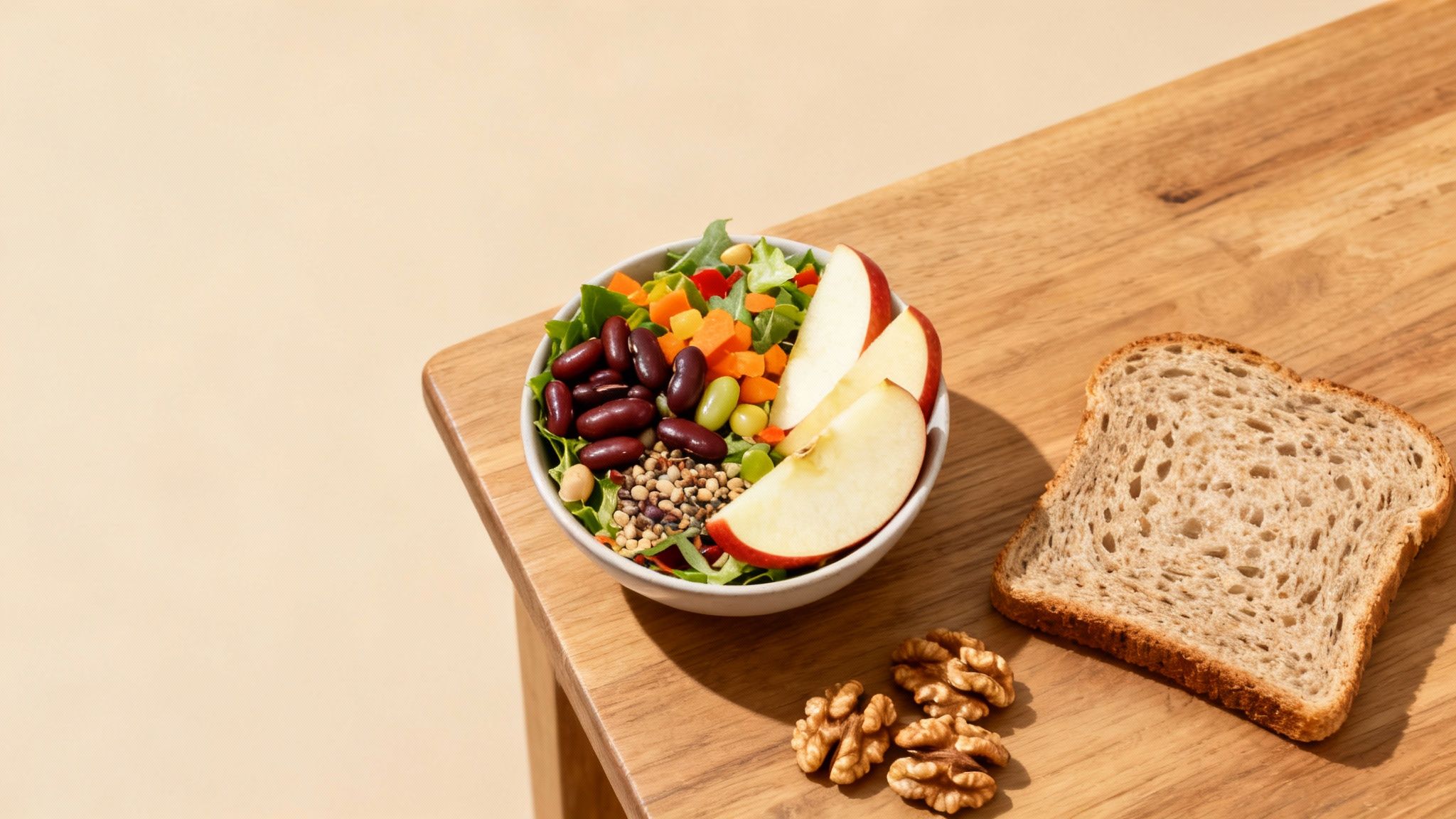
At the heart of any gut-friendly diet is fiber, especially from a wide variety of plants. Fiber acts as a prebiotic, which is basically food for your beneficial gut bacteria. When these good microbes are well-fed, they thrive, helping to keep your internal environment balanced and happy.
Well-fed bacteria produce valuable compounds like short-chain fatty acids, which are crucial for helping to maintain the integrity of your digestive lining. This process is fundamental to absorbing nutrients effectively. In fact, one of the most effective ways to improve gut health is simply by eating more fiber from diverse plant sources.
Unfortunately, most of us are falling short. The average adult worldwide consumes only about 15–20 grams of fiber a day, well below the 25–30 grams recommended by the World Health Organization for optimal health.
A simple way to start is by adding just one more serving of a high-fiber food to your day. This gradual approach helps your system adapt comfortably, allowing you to build momentum without feeling overwhelmed.
Getting more fiber into your diet doesn't have to be complicated. The real key is variety. Different plants offer different types of fiber, and each type feeds a different family of beneficial microbes. A good rule of thumb is to "eat the rainbow" by including a mix of colors on your plate at every meal.
Here are some practical ways to boost your fiber intake:
Start Your Day Strong: Add a tablespoon of chia seeds or ground flaxseed to your morning oatmeal or smoothie. Berries are another excellent, low-sugar addition that packs a fibrous punch.
Embrace Legumes: Try to incorporate beans, lentils, and chickpeas into your weekly routine. They are fantastic in soups, salads, and as a base for hearty main dishes.
Snack Smarter: Instead of processed snacks, reach for an apple, a pear, or a handful of almonds. These whole foods provide both fiber and a wealth of other essential nutrients.
Go for Whole Grains: Swap white bread, pasta, and rice for their whole-grain counterparts like quinoa, brown rice, barley, and oats.
Pro Tip: As you increase your fiber, be sure to increase your water intake, too. Water helps fiber do its job effectively, promoting smooth and regular digestion. Aim for adequate hydration throughout the day to keep things moving.
For a more structured approach, exploring a delicious and healthy low carb vegetarian diet meal plan can be a fantastic way to get inspired.
The most effective dietary changes are the ones you can actually stick with. Instead of focusing on restriction, concentrate on what you can add to your diet. This positive mindset shift makes healthy eating feel like an act of self-care rather than a chore.
A great way to stay on track is to plan ahead. Maybe designate one night a week as "Meatless Monday" and build a meal around lentils or black beans. Or, you could prep a large batch of roasted vegetables at the beginning of the week to easily add to lunches and dinners.
Remember, every small, positive choice contributes to the bigger picture of your digestive wellness. To dive deeper into specific ingredients, check out our guide on 5 foods that support gut health.

If fiber is the fuel for your gut, think of fermented foods as the new recruits for your internal team. They are a fantastic way to introduce new, beneficial microbes to your gut, which helps build a richer and more diverse microbiome.
The magic happens through fermentation, an age-old tradition that creates foods packed with live cultures. Adding these foods to your diet isn't just a powerful strategy for supporting your gut—it's also a delicious one.
Fermented foods are created when microorganisms like bacteria and yeast get to work converting sugars into other compounds. This process doesn't just preserve the food; it creates a finished product that's rich in beneficial live microbes, which you probably know as probiotics.
Eating these foods regularly can help populate your system with good bacteria, contributing to a more varied and resilient gut community. The science on this is pretty compelling. A 2021 study showed that healthy adults who ate 6 servings of fermented foods daily had a significant boost in gut microbial diversity and a drop in markers associated with the body's response systems. It's no wonder the digestive health market is valued at over $37 billion in North America alone.
Ultimately, introducing a wider variety of microbes is key to building a strong gut ecosystem that can handle daily challenges and keep you feeling your best.
The world of fermented foods is huge and full of flavor, so there’s truly something for everyone. The trick is to find a few options you genuinely enjoy so it becomes an easy habit.
Here are some popular and easy-to-find choices:
Yogurt and Kefir: These classic dairy options are loaded with beneficial lactic acid bacteria. When you're buying yogurt, always look for the phrase "live and active cultures" on the label to make sure you're getting the good stuff.
Sauerkraut and Kimchi: Made from fermented cabbage, these are fantastic non-dairy sources of live microbes. Stick to the refrigerated versions—the ones on the shelf are often pasteurized, which kills off the very bacteria you're looking for.
Kombucha: This bubbly, fermented tea is a great alternative to soda. Just be sure to check the sugar content, as some brands can be surprisingly high.
A good rule of thumb when shopping for any fermented product is to check the ingredient list. The best choices have simple, recognizable ingredients without a ton of added sugars, preservatives, or artificial flavors. Quality really matters here.
For a great primer on this topic, it's worth understanding the role of prebiotics and probiotics in gut health. This foundational knowledge really helps clarify how different foods support your internal ecosystem.
You don’t have to eat huge quantities to see a benefit; consistency is far more important than volume.
Simple Ways to Get Started
Add a Dollop: Stir a spoonful of plain yogurt or kefir into your morning oatmeal or top off a bowl of chili.
Use as a Condiment: A forkful of sauerkraut or kimchi adds a tangy, flavorful kick to sandwiches, salads, and grain bowls.
Sip Your Probiotics: Swap your usual afternoon soda for a small glass of kombucha.
If you're new to these foods, start with small amounts to give your system time to adjust. You can slowly increase your intake as you figure out what you like. It can also be helpful to explore how these foods fit into the bigger picture; our article on prebiotics, probiotics, and enzymes explains their unique roles in keeping your digestion on track.

What you eat is a massive piece of the gut health puzzle, but it doesn't tell the whole story. If you really want to improve your gut health, you have to look at your daily habits outside the kitchen. The connection between your mind and your digestive system is incredibly powerful, which means things like stress, sleep, and movement have a direct say in your gut's balance.
To create an environment where your gut can truly thrive, you need a holistic approach. By giving these key areas a little attention, you can support your digestive wellness from every angle, leading to more consistent comfort and harmony.
You know that feeling of "butterflies" before a big meeting or a knot in your stomach when you're tense? That's not just in your head. It's a clear signal from the gut-brain axis—a constant, two-way communication superhighway between your brain and your digestive system.
When you're stressed, your body pumps out hormones like cortisol. These can throw the delicate balance of your gut microbes out of whack and mess with digestive motility, leading to discomfort. That’s why learning to manage daily stressors is such a fundamental part of keeping your gut happy.
You don't need a complete life overhaul; simple techniques practiced consistently can make a world of difference.
Mindful Breathing: Just five minutes of deep, diaphragmatic breathing can help hit the brakes on your body's stress response. Inhale slowly through your nose, let your belly expand, and then exhale slowly through your mouth.
Gentle Movement: Activities like yoga, tai chi, or even just a quiet walk in nature can support a sense of calm.
Mindfulness Meditation: Even a few minutes of meditation each day helps you tune into your body's signals and manage how you react to stressful situations.
The goal isn't to eliminate stress completely—that's just not realistic. It's about building a toolkit of effective coping strategies that help you bounce back to a state of balance more quickly.
High-quality sleep is one of the most underrated pillars of digestive health. While you're resting, your body is busy with repairs and restoration, and that includes your entire digestive system. Skimping on sleep or keeping an inconsistent schedule can disrupt your body's natural rhythms, including the ones that keep your digestion running smoothly.
Most adults really need seven to nine hours of solid sleep per night. When you're well-rested, your gut microbes tend to be more diverse and balanced. What's more, a healthy gut might even contribute to better sleep, creating a positive feedback loop for your overall well-being.
If you struggle with sleep, start by focusing on your sleep hygiene. This could mean creating a relaxing bedtime routine, putting away screens an hour before bed, and making sure your bedroom is dark, quiet, and cool.
Staying active is another game-changer for your gut. Regular, moderate exercise is known to support a more diverse and robust microbiome. It also keeps things moving, literally, by promoting regular bowel movements and encouraging gut motility.
You don't need to run a marathon to reap the rewards. Aiming for around 150 to 270 minutes of moderate-intensity exercise a week—like brisk walking, cycling, or swimming—can have a fantastic effect. It seems that a mix of aerobic exercise and some resistance training is particularly beneficial.
It's pretty clear that people who lead an active lifestyle have a different gut microbe profile than those who are more sedentary. The best part? You can start seeing positive changes just by weaving more movement into your routine, even if you’re starting from square one. Start small, find something you actually enjoy, and build from there. When it comes to long-term gut balance, consistency is everything.
Just as we focus on adding nourishing foods to our diet, it's equally important to know which ones to enjoy in moderation to keep our gut balanced. Improving your gut health is a big-picture game—it’s about what you add and what you might want to scale back on.
This isn’t about creating a long list of forbidden foods. It's about being mindful. Many of us rely on convenient, ultra-processed foods and sugary snacks more often than we'd like. While they're fine every now and then, a diet heavy in these items can really throw off the delicate balance within your gut. Let's look at why that is and what we can do about it.
Think of your gut microbiome as a bustling garden. Different bacteria are like different plants, and they need specific types of food to grow. The less-helpful microbes just so happen to love simple sugars. When you eat a lot of sugar, you’re basically over-watering the weeds, allowing them to grow and crowd out the beneficial bacteria that prefer complex fibers.
A diet consistently high in added sugars can, over time, lead to less diversity in your gut garden. Similarly, ultra-processed foods are often stripped of the fiber beneficial bacteria need. They can also contain additives and emulsifiers that may affect the lining of your digestive system.
The numbers are pretty telling. Dietary surveys show the average adult gets about 17% of their daily calories from added sugars—way more than what’s recommended. In many Western countries, ultra-processed foods can make up a staggering 50–60% of daily calories. This has led to populations having much lower levels of beneficial, fiber-loving bacteria. If you're interested in the global data, you can explore the research on gut microbiome representation here.
The secret to lasting change is making small, sustainable swaps that don’t feel like a punishment. It's about positive replacement—trading a less-than-ideal choice for a more nourishing one. This way, you build healthier habits without feeling deprived.
Here are a few simple swaps to get you started:
Sweeten Smarter: Instead of spooning sugar into your oatmeal or yogurt, try topping it with fresh berries or a dash of cinnamon. You get natural sweetness plus a dose of fiber and antioxidants.
Rethink Your Drink: Sugary sodas, sweetened teas, and fancy coffee drinks are major sources of hidden sugar. Try swapping them for sparkling water with a squeeze of lime, unsweetened herbal tea, or just plain black coffee.
Snack on Whole Foods: Next time you reach for packaged cookies or chips, try something with more nutritional bang for your buck. A handful of almonds, an apple with peanut butter, or some crunchy carrot sticks with hummus can be just as satisfying.
Mindful Tip: When you do decide to have a treat, really enjoy it. Savor a small portion of a high-quality dessert slowly and without distractions. This little practice can help you feel more satisfied with less, making moderation feel completely natural.
Remember, the goal here is progress, not perfection. Every mindful choice you make is another step toward a happier, more balanced digestive system.
As you start weaving supportive foods and new lifestyle habits into your daily life, you might find yourself looking for something extra to round out your efforts. A high-quality supplement can be a fantastic way to give your digestive wellness journey a little more targeted support.
This is where aloe vera, and specifically AloeCure, really shines. The truth is, not all aloe products are the same—not by a long shot. The difference almost always boils down to how the aloe is grown, harvested, and processed.
We're firm believers that the best products can only come from the best ingredients. That's why we are fully vertically integrated, meaning we own and operate our own USDA-certified organic aloe farms. We're in control of every single step, from hand-harvesting mature leaves to processing them in our own facilities.
This complete oversight is our promise to you that what’s in every bottle is the absolute highest quality. Because we manage the entire journey, we can guarantee our aloe vera is processed within 12 hours of leaving the field to preserve its most valuable compounds.
Our unique, patented process is entirely natural. We never use chemicals, harsh charcoal filtration, or enzymes that can degrade the aloe’s beneficial components. This commitment to purity means our products deliver the plant's natural goodness, just as nature intended.
Our aloe vera juices and supplements are rich in polysaccharides, which can support digestive comfort and help maintain the integrity of your digestive lining. By choosing AloeCure, you’re not just getting a supplement; you’re getting a partner dedicated to transparency, quality, and organic farming. Our blog offers more insight into how you can use aloe vera for gut health as part of your routine.
Ready to add a premium, trustworthy supplement to your regimen? Explore our products and consider a subscription to receive 20% off every order.
These statements have not been evaluated by the Food and Drug Administration. This product is not intended to diagnose, treat, cure, or prevent any disease.
When you start digging into digestive wellness, a few questions always seem to pop up. Let's tackle some of the most common ones I hear, so you can feel confident on your gut health journey.
This is probably the number one question people ask, and the honest answer is: it’s different for everyone. Your body is unique.
That said, when you start making consistent, positive changes—like slowly adding more fiber from different veggies or bringing fermented foods like yogurt into your routine—some people feel a shift in as little as a few weeks. Don’t discount the power of lifestyle tweaks, either. Getting better sleep and finding ways to manage stress are huge players in how you feel overall.
The real key? Consistency. Small, steady habits are what truly support your body's natural balance over the long haul.
It's tempting to look for a single quick fix, but supplements are meant to be just that—a supplement to a healthy lifestyle, not a replacement for one. Think of them as a valuable part of your team, but not the star player.
A balanced diet packed with fiber, a rainbow of nutrients, and live-culture foods lays the essential groundwork for a happy gut. High-quality supplements, like the organic aloe products from AloeCure, can then provide targeted support for your digestive system. They're most effective when they're part of a bigger picture that includes nourishing food and good daily habits.
If I had to pick just one thing, it would be this: consistently eat a wide variety of plant-based foods.
It might not sound flashy, but it's incredibly powerful. The diverse fibers you get from different fruits, vegetables, and whole grains are the preferred fuel for the good microbes living in your gut.
When you feed these tiny allies well, you're supporting the foundation of your entire gut balance. Combine that fiber-rich diet with other smart lifestyle choices, and you create a powerful synergy that supports your digestive wellness from every angle.
Ready to give your gut health routine a boost? AloeCure’s farm-to-bottle organic aloe vera products are carefully crafted to support your digestive wellness journey. Explore our pure aloe juices and supplements and subscribe for 20% off your order.
Les commentaires sont approuvés avant leur publication.