Votre panier est vide

You've opened two tabs, placed two aloe vera bottles side by side, and still can't tell why one costs more than the other. Both say organic, both promise digestive support, and both use the familiar green leaf on the label. The difference may not be visible until you examine what happened after harvest, including which part of the leaf was used, how latex compounds were removed, and whether the finished product was independently verified.
The phrase best organic aloe vera supplements should therefore mean more than a certified farming claim. Organic sourcing matters, but so do inner-leaf processing, acemannan preservation, contaminant controls, and traceability from farm to bottle. This guide will help you evaluate those details without confusing general wellness support with a medical claim.
The online buying experience encourages shortcuts. One bottle may feature a low price and thousands of star ratings, while another costs considerably more and emphasizes organic certification, inner-leaf gel, or processing details. Both product pages may use words such as pure, premium, and clean, yet those terms rarely explain how the aloe was handled.
A crowded label makes the problem worse. The front panel may show aloe vera juice, organic seals, flavor descriptions, and wellness language in large type. The back panel may list serving sizes, added acids, gums, preservatives, or a proprietary blend that leaves you unsure how much aloe you're getting.
Practical rule: Treat the front label as an invitation to investigate, not as proof of quality.
Most shoppers rely on three filters: star rating, price, and the word “organic.” Ratings can reflect shipping, taste, or packaging rather than aloe quality. Price can reflect branding, flavoring, bottle size, or supply-chain costs without revealing the product's processing standard. Organic certification addresses agricultural and handling requirements, but it doesn't automatically confirm polysaccharide preservation, latex removal, or finished-product identity.
USDA guidance also distinguishes between organic claims. A product labeled “made with organic” must contain at least 70% organic ingredients, excluding salt and water, and products marketed as organic or made with organic ingredients generally need certification through the applicable system. Read the claim carefully rather than assuming every green seal means the same thing. USDA organic labeling guidance provides the relevant framework.
The central quality gap sits between harvest and bottle. Aloe can be grown under certified conditions and still vary according to filleting, stabilization, filtration, storage, and testing. A helpful primer on how to read supplement labels can make that back-panel investigation faster.
The market itself is established and expanding. The global aloe vera market is estimated at USD 2.26 billion in 2026 and projected to reach USD 3.15 billion by 2031, with a projected 6.82% CAGR, while organic aloe is forecast to grow at a faster 7.34% CAGR through 2031. Mordor Intelligence market coverage places those figures in the broader category context. More choices don't automatically make comparison easier, which is why processing transparency deserves more attention than packaging language.
Aloe vera supplements are best understood through structure/function language. A well-made product can support healthy digestive function, promote everyday wellness, and help maintain normal body processes. It isn't a pharmaceutical, and expectations should remain practical.
The plant's inner gel contains polysaccharides, including acemannan, that are often used as markers of aloe quality and functional activity. Think of these complex carbohydrates as part of a soft, water-rich matrix. That analogy helps explain why inner-leaf gel is prized, although it shouldn't be taken to mean that aloe forms a literal coating over every surface of the body.
Aloe also contains other plant compounds, enzymes, vitamins, minerals, and amino acids. Rather than treating it like a replacement for a varied diet, consider it a botanical addition that provides targeted support for normal digestive and cellular functions. The relevant question is whether the finished supplement preserves useful gel constituents while excluding unwanted latex-rich fractions.

Human research supports a measured view. In one randomized, double-blind, placebo-controlled trial, oral aloe produced a clinical response in 47% of participants compared with 14% receiving placebo, while clinical and histological scores also improved. A separate analysis found that aloe syrup reduced the frequency of several digestive symptoms over 4 weeks with good tolerability. Those findings come from the clinical review and evidence summary, but they don't turn every aloe product into an appropriate option for every person.
A 2024 review also summarized a meta-analysis in which aloe-containing preparations performed better than placebo for symptoms across IBS subtypes. That disease name is included here only to identify the published evidence, not to promote aloe as a product for diagnosing, treating, curing, or preventing any condition. Research on oral benefits remains limited, especially for long-term use, so daily aloe should be viewed as supportive rather than curative.
Organic certification doesn't prove that acemannan survived processing, but it can help reduce concern about agricultural inputs and supply-chain controls. Because a supplement is consumed repeatedly, shoppers may reasonably prefer a source with certified farming, documented handling, and transparent testing.
The strongest combination is certified organic sourcing plus inner-leaf processing, low-anthraquinone controls, identity testing, and clear lot information. For additional general background, is aloe vera good for you offers a consumer-friendly starting point.
These statements have not been evaluated by the Food and Drug Administration. This product is not intended to diagnose, treat, cure, or prevent any disease.
Format changes the experience of taking aloe. Liquid juice or gel is ready to consume and may feel faster because it doesn't need a capsule shell to break down. Capsules are tasteless, portable, and shelf-stable, but they include the capsule material and any carrier ingredients listed on the label.
Taste is a meaningful choice. Liquid aloe can have a distinct plant flavor, even when blended with water or another beverage. Capsules avoid that issue, which makes them useful for travel or for anyone who won't maintain a routine around a strong-tasting liquid.
| Format | Source | Onset | Convenience | Taste | Shelf Life |
|---|---|---|---|---|---|
| Liquid juice | Inner-leaf gel processed into a drink | Often perceived as faster because it is already liquid | Requires more storage planning after opening | Plant-like and sometimes bitter | Follow the product's storage and expiration directions |
| Capsules | Dried or concentrated aloe ingredient in a capsule | Must break down before use | Portable and measured | Tasteless | Generally easier to store than liquid products |
| Inner-leaf gel | Filleted gel from inside the leaf | Liquid or gel format varies | Depends on whether it is bottled or encapsulated | Usually plant-like in liquid form | Follow the product label |
| Whole-leaf extract | Gel plus outer leaf fractions, processed to remove latex compounds | Depends on processing and format | Available in liquid or capsule forms | Can be more bitter | Follow the product label |
The inner leaf is the clear gel fillet. The rind and the yellow latex-rich layer sit outside it and contain anthraquinones, including aloin. Those compounds are more closely associated with laxative effects and safety concerns than with the gentle daily wellness profile many shoppers want.
Whole-leaf products can be processed, but the label should explain how unwanted anthraquinones were removed. A product that only says whole leaf without describing decolorization or testing leaves an important question unanswered. The difference between whole-leaf aloe and inner aloe gel is worth reviewing before choosing a format.
For most daily routines, inner-leaf gel with clear low-anthraquinone controls is the simpler choice. Select juice if taste and a liquid ritual suit you, capsules if convenience matters most, and a gel format if you prefer a thicker liquid experience. The label should always take priority over the format name.
Start with the ingredient identity, not the marketing headline. Aloe vera gel, aloe vera juice, and whole-leaf aloe aren't interchangeable descriptions. “Decolorized” can indicate that a process was used to reduce unwanted colored latex fractions, but you should still look for a statement about anthraquinone or aloin testing.
The ingredient list follows an order-of-predominance rule. If aloe vera juice appears third, the bottle contains more of the ingredients listed above it than aloe, subject to the applicable labeling rules. Added fruit concentrates, sodium benzoate, citric acid, xanthan gum, sweeteners, and flavorings may be reasonable for a particular product, but they change what “pure aloe” means.
A capsule label may state the aloe amount per capsule, per serving, or both. One product might list 500 mg per capsule, while its serving requires several capsules. Another may list a larger serving amount but use a smaller number of pills. Compare the total aloe amount per serving, the number of servings per container, and the form of aloe used.
Polysaccharide or acemannan information can add useful context, but a number without a testing method is difficult to interpret. Look for a certificate of analysis or a clear finished-product test rather than assuming a bold potency claim proves biological performance.
Third-party testing means an independent laboratory or organization checks selected product attributes. It doesn't make a product medical care, and it doesn't necessarily verify every claim. For a plain-language explanation of what this testing can involve, read Fillaree's third party testing guide.
FDA structure/function rules require claims to be truthful, not misleading, and supported by substantiation. The required disclaimer must appear in boldface, and FDA notification is due no later than 30 days after first marketing a product with the claim. FDA's structure/function claim notification guidance explains the notification requirement. Permitted wording can describe how an ingredient supports normal body structure or function, but it cannot use disease names or terms such as “cure,” “treat,” “correct,” or “prevent,” as outlined in FDA's compliance guide.
Certification is useful, but each mark answers a different question. USDA Organic primarily addresses farming, handling, and supply-chain compliance under organic standards. It doesn't automatically confirm the amount of acemannan in a bottle or prove that aloin was removed.
The EU Organic green leaf with stars serves a similar agricultural and production purpose within the European framework. Buyers who purchase across borders may value the accompanying traceability and certification documentation, but the logo still isn't a substitute for a finished-product test.
NSF or USP testing, when present and applicable to the specific product, focuses on independent checks such as identity, contaminants, and whether the finished product matches its label. Certification scope matters. A mark on a facility or ingredient isn't necessarily the same as verification of the exact bottle in your hand.
| Certification | What It Verifies | What It Does Not |
|---|---|---|
| USDA Organic | Compliance with USDA organic production and handling standards | Acemannan level, processing quality, or aloin removal |
| EU Organic | Compliance with applicable European organic production standards | Finished-product potency or every safety attribute |
| NSF or USP testing | Defined independent checks for identity, contaminants, or label accuracy, depending on the program | A universal guarantee of clinical benefit |
| Non-GMO badge | A non-GMO sourcing claim under the badge's stated standard | Latex removal or polysaccharide preservation |
| “Natural” | A marketing description subject to the product's context | Organic certification, potency, or complete ingredient transparency |
| GMP facility claim | Manufacturing practices at the stated facility | Proof that the aloe ingredient is inner leaf or properly decolorized |
A certificate number is more useful than a decorative logo. Find the certifier, identify the scope, and check whether the certificate is current through the certifier's own directory. If a brand won't provide the relevant documentation, treat the logo as a starting point rather than a conclusion.
The same reading habit applies outside supplements. A 2026 GOTS sheet buying guide is a useful example of how shoppers can distinguish a certification's defined scope from broader quality assumptions.
Processing can create a larger quality gap than the seal itself. Activated charcoal filtration, enzyme use, heat exposure, and storage may alter the final ingredient, so ask for those details directly.
Two bottles can share an organic seal and still differ substantially. The leaf's journey after harvest determines whether the finished product retains the inner gel's useful polysaccharides and whether unwanted latex fractions were adequately excluded.
Aloe's yellow latex layer sits near the rind and contains anthraquinones, including aloin. These compounds have stronger laxative potential and raise safety concerns when present in oral products. Independent medical guidance says oral aloe gel may be tolerated short-term, while aloe latex or whole-leaf products may be unsafe and have been associated with diarrhea, electrolyte problems, kidney problems, and rare liver injury. NCCIH's aloe vera safety overview also emphasizes that research on oral benefits remains limited.
First, identify the source material. Inner-leaf filleting removes the rind and latex-rich fractions before the gel enters the production stream. Whole-leaf processing requires an effective decolorization and verification process.
Next, ask how the product is stabilized. Heat can extend shelf life, but excessive heat may degrade fragile polysaccharides. Cold-pressed or otherwise gentle extraction may better protect the gel, but no single process label proves quality by itself.
Then, look for testing. A clear statement about aloin or anthraquinones, identity testing, contaminants, and lot traceability gives you more useful information than “raw” or “premium.” A clear liquid isn't automatically potent, and a concentrated ingredient isn't automatically superior.
Quality test: Ask what the manufacturer removes, what it preserves, and how the company verifies both outcomes.
The label can also reveal trade-offs. A product marketed as raw may still undergo heat stabilization. A product that appears exceptionally clear may have been heavily filtered. These examples don't prove that every raw or clear product is poor, but they show why marketing adjectives can't replace process documentation.
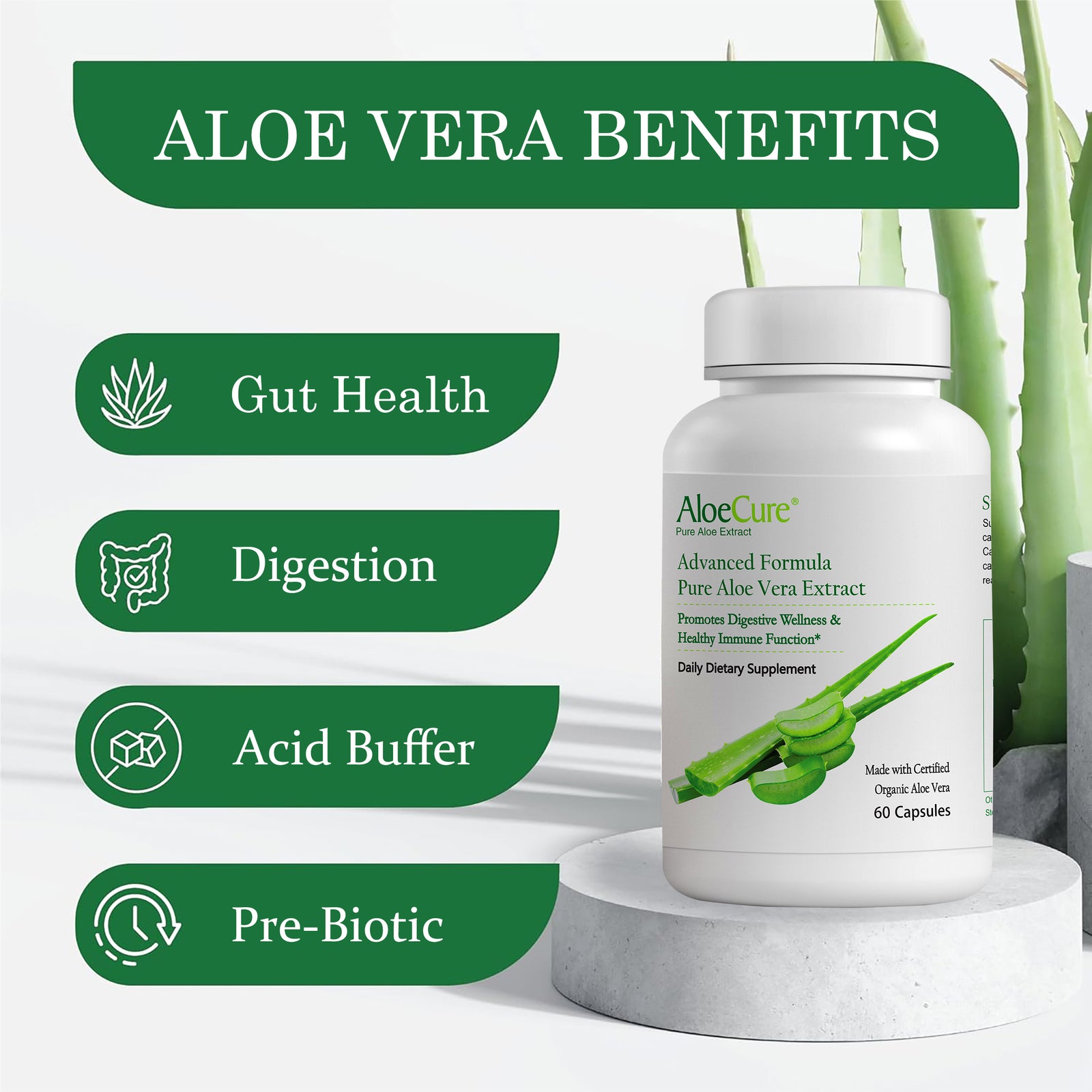
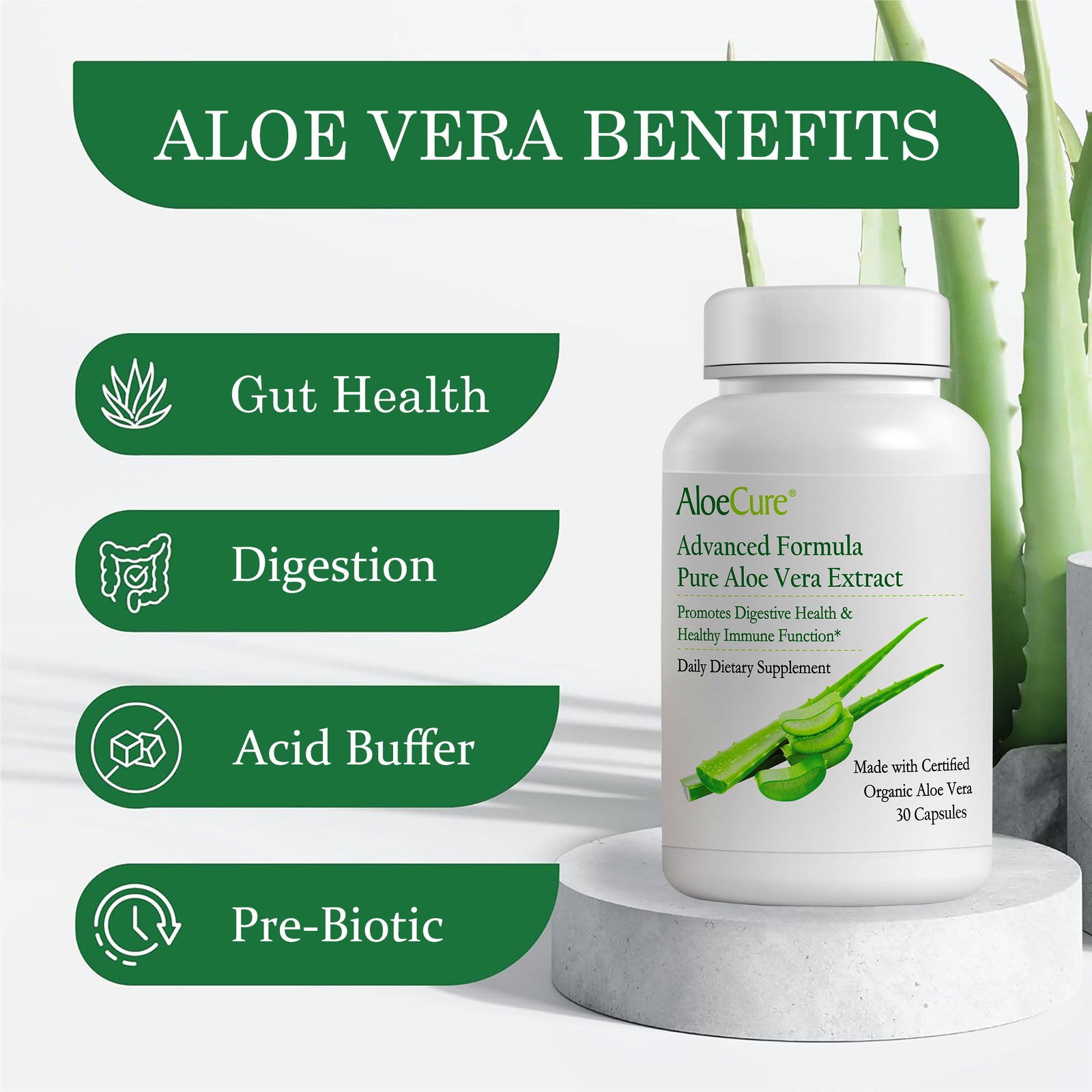
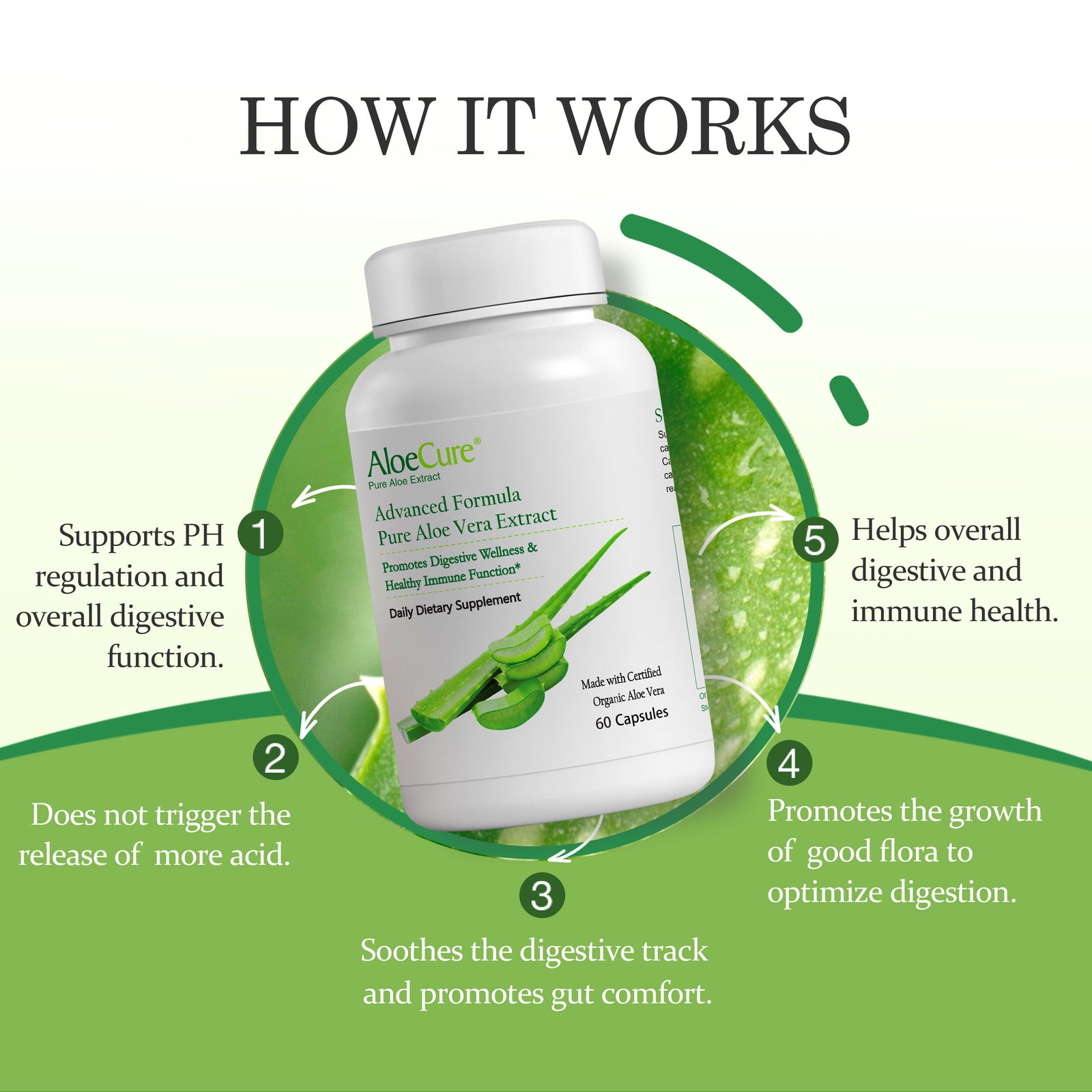
AloeCure describes a farm-to-bottle model in which the company farms, processes, and produces its own aloe products. Its stated process uses inner-leaf sourcing and proprietary processing without chemicals, enzymes, concentrates, or charcoal filtration. Consider those statements as claims to evaluate alongside certification and testing documents, not as automatic proof of superiority.

A practical review should also include the manufacturer's supply-chain controls. Does it identify the farm, processing location, lot number, expiration date, storage conditions, and testing approach? USDA guidance adds that processing aids used in products labeled 100 percent organic must also be certified organic, so processing inputs belong in the quality conversation. USDA organic processor guidance explains that requirement.
For a visual look at the production story, review the following product-process video before making your decision.
You can screen an aloe supplement quickly if you check the items in the right order. Start with the botanical identity, then verify processing, testing, storage, and purchase terms.
Storage matters after checkout. Liquid products may require refrigeration after opening, while capsules generally need a cool, dry place. Amber packaging can help protect light-sensitive formulas, but the product's own storage directions should take priority.
A subscription is only valuable if it fits your routine. Compare the price per serving, not just the bottle price, and check whether the discount applies to every recurring shipment. Confirm that you can pause, skip, change the delivery interval, or cancel without contacting customer support repeatedly.
A 90-day money-back guarantee can reduce purchase risk, but read the actual terms. Check whether returns require an authorization, whether opened products qualify, and who pays return shipping. Also look for shipping cutoffs, expiration windows, and how the company handles heat-sensitive liquid orders.
Consistent use may be more practical than occasional use because a daily wellness habit gives you a clearer way to assess taste, tolerance, and routine fit over time. Don't increase the serving because you want faster results, and consult a qualified healthcare professional before starting if you're pregnant, breastfeeding, taking medication, or managing a health concern.
The global aloe vera extract market was valued at USD 2,064.7 million in 2023 and is projected to reach USD 3,798.2 million by 2030, representing a projected 9.2% CAGR from 2024 to 2030, according to Grand View Research's aloe vera extract analysis. A growing category still requires careful buying. Use the checklist before every order, especially when a new flavor, capsule strength, or subscription option changes the formula.
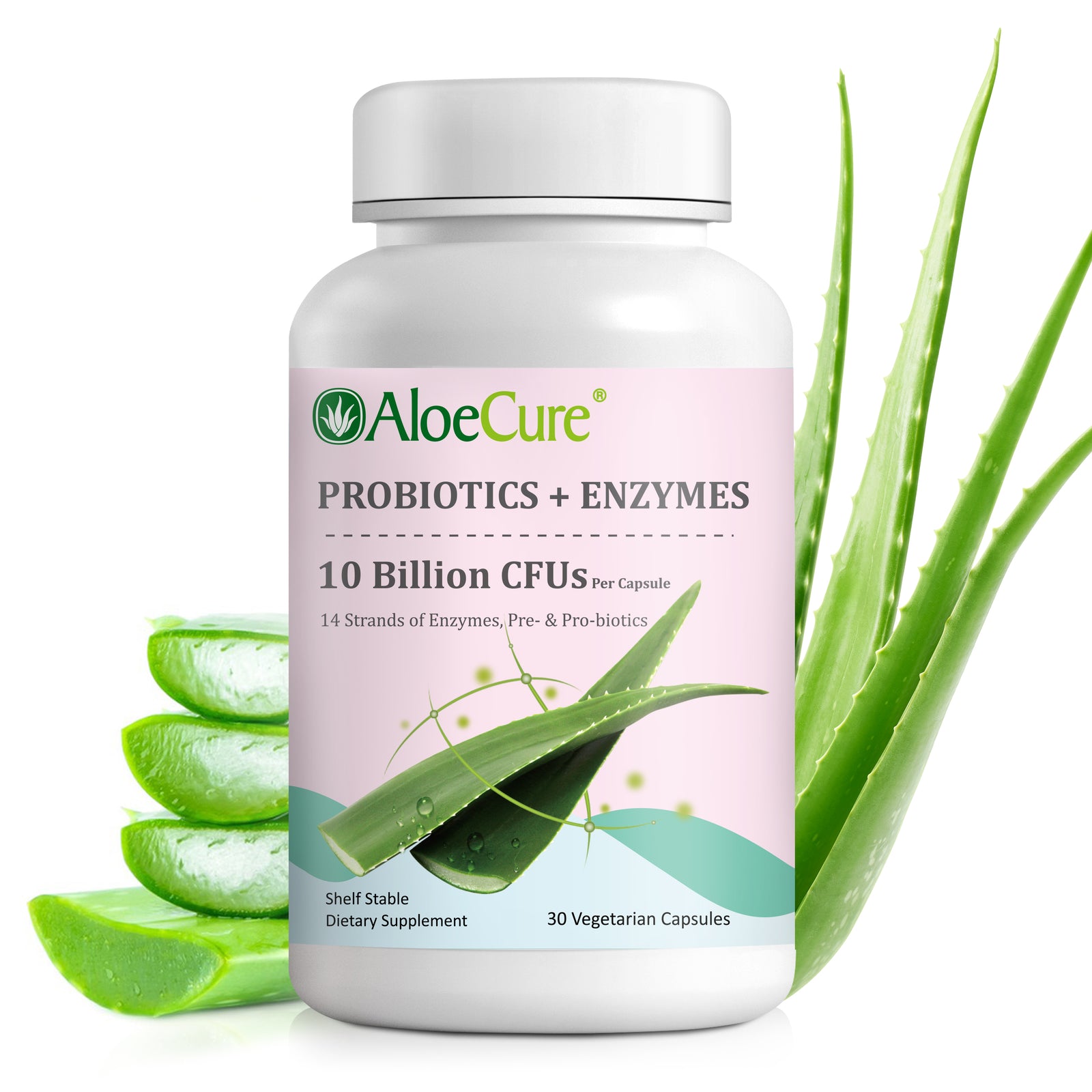
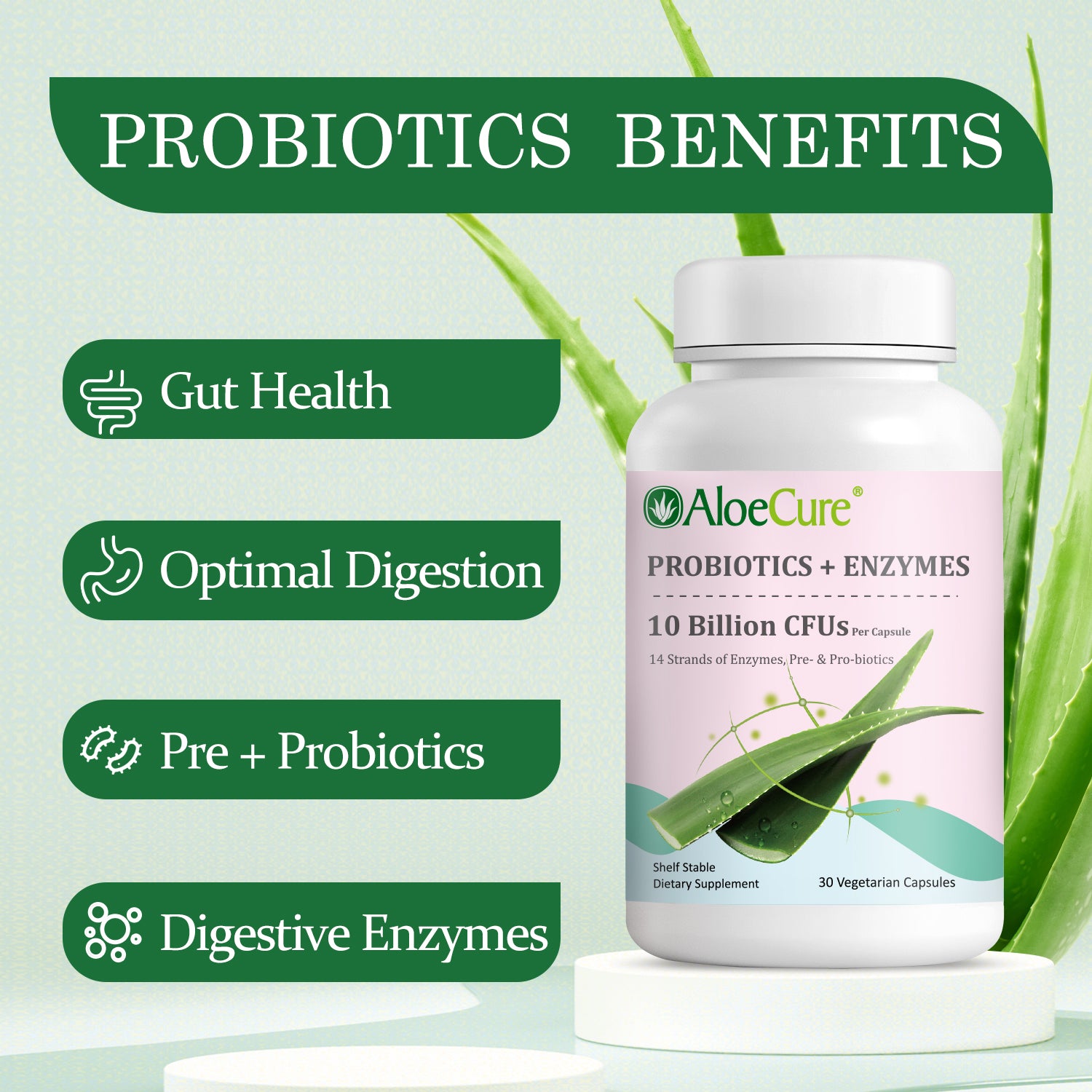
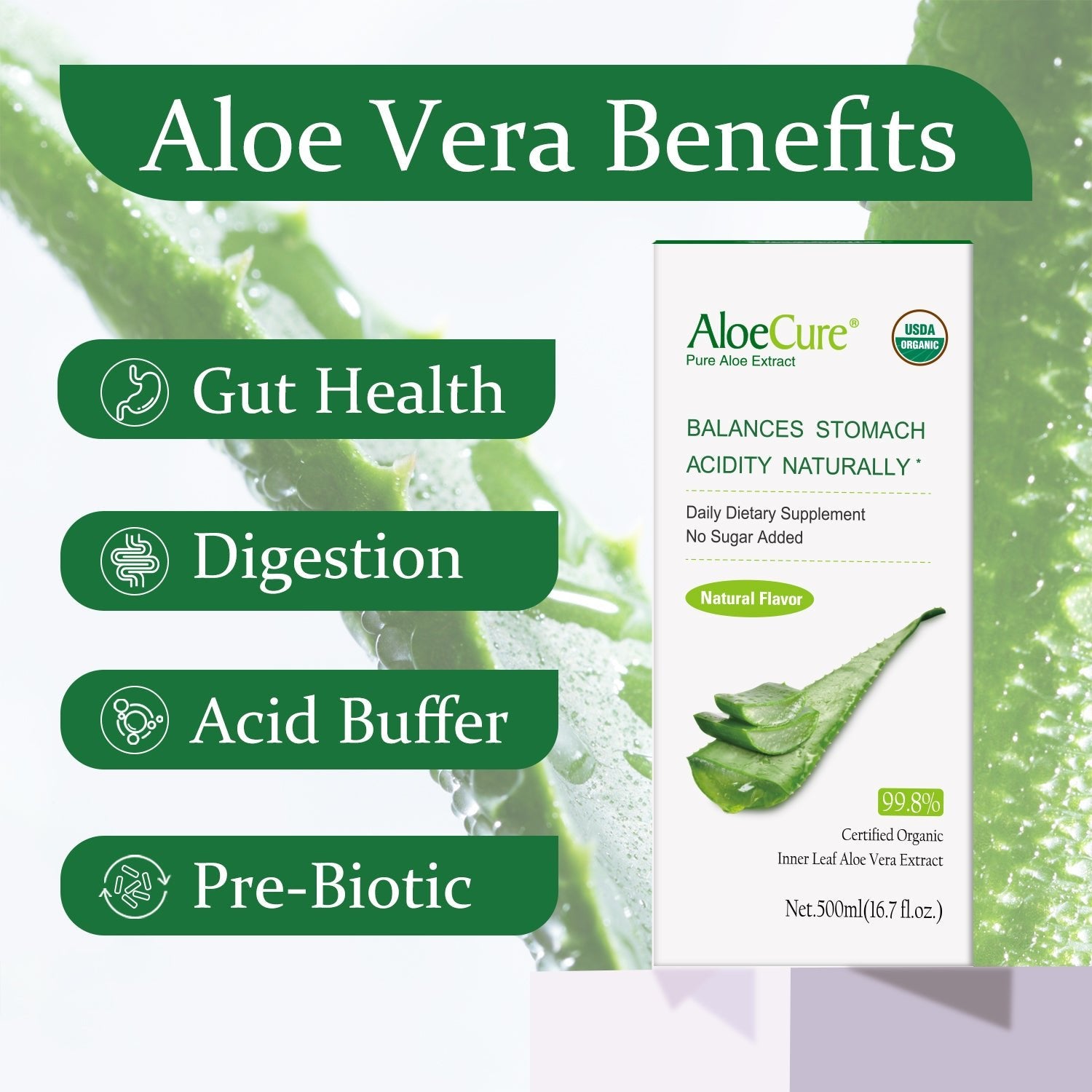
AloeCure offers certified organic aloe vera juice and aloe vera capsules, with farm-to-bottle control that includes growing, processing, and producing its own products. Visit AloeCure to compare the available formats, review the ingredient details, and explore Subscribe & Save with 20% off for a recurring routine that matches your needs.
Les commentaires sont approuvés avant leur publication.