Votre panier est vide


A well-functioning digestive system is foundational to overall vitality. The foods we choose daily play a crucial role in maintaining this delicate balance, assisting the body in nutrient absorption and promoting day-to-day comfort. However, navigating the world of 'gut-friendly' foods can be overwhelming. This guide simplifies the process by offering a practical roundup of the best foods for digestion support, focusing on creating sustainable habits that support your body's natural processes.
We will explore how specific foods and compounds can help maintain normal digestive function and promote a state of wellness from within. The focus is on building a resilient digestive system, moving beyond temporary fixes. We will delve into the science behind these choices, provide actionable tips for incorporating them into your meals, and explain how they contribute to your long-term health goals.
While this article provides general dietary guidance for everyday comfort, certain circumstances require more personalized attention. For instance, in cases of significant digestive system concerns, a highly structured specialized approach is often necessary under professional supervision. Our goal here is to empower you with knowledge for general well-being. We will also touch upon how high-quality, pure aloe vera supplements, like those from AloeCure which are farmed and processed in-house, can complement these dietary strategies, offering targeted support for your digestive wellness journey.
While many foods offer general digestive benefits, organic aloe vera juice stands out for its specific compounds that support the gut. High-quality aloe vera juice, extracted purely from the inner leaf gel, contains valuable polysaccharides, including acemannan. These natural components are essential for supporting the integrity of the gut lining and promoting healthy, normal intestinal movement, making it a cornerstone for those seeking consistent digestive comfort.
The key to its effectiveness lies in the processing. Companies like AloeCure, with a 25-year legacy in organic farming, utilize a proprietary cold-press method within 12 hours of harvest. This vertical integration from farm to bottle ensures that the bioactive compounds remain intact, a quality differentiator from many mass-produced alternatives. The success of this approach is seen in the experiences of thousands of annual visitors to their agro-tourism farms who report digestive improvements and multi-generational families who make it a daily wellness staple.
To get the most out of this powerful plant, consistency is key. Consider these practical tips for adding it to your routine:
Start Small: Begin with a 2-ounce serving daily, preferably on an empty stomach to optimize absorption. You can adjust the amount based on your body’s response.
Mix It Up: If the natural taste is too potent, dilute the juice with a small amount of water or blend it into a low-acid smoothie.
Track Your Progress: Keep a simple journal for 2-4 weeks to monitor how you feel. Many users notice a positive difference within this timeframe.
Stay Consistent: For the best support, make aloe vera juice a non-negotiable part of your daily wellness habits.
By choosing a product backed by third-party certifications for purity and bioactivity, you ensure you are getting one of the best foods for digestion support. To explore the science further, you can learn more about aloe vera for gut health and how its unique properties contribute to overall digestive wellness.
Recognized for centuries in traditional wellness practices, ginger root is a powerful rhizome celebrated for its ability to support digestive comfort. This potent food contains active compounds, including gingerols and shogaols, which are key to its effectiveness. These natural components help promote healthy gastric motility and support the body's natural processes for managing occasional bloating, gas, and feelings of nausea, making it one of the best foods for digestion support.

The value of ginger is affirmed by its long-standing use in both Ayurvedic and Chinese traditions, where it is often paired with other botanicals for optimal digestive system function. Modern functional medicine specialists and digestive health nutritionists also frequently recommend ginger protocols to their clients. For instance, many wellness influencers now promote a synergistic combination of ginger tea with high-quality aloe vera juice, highlighting how the two work together to provide complementary support for gut wellness.
To effectively integrate ginger into your daily routine for digestive support, consider these practical methods:
Brew Fresh Tea: Steep a few slices of fresh ginger in hot water and drink it 30 minutes before meals to prepare your digestive system.
Combine for Synergy: Mix your ginger tea with a 2-ounce serving of a pure, organic aloe vera juice like AloeCure. This pairing provides a broader spectrum of digestive support.
Start Slowly: If you are sensitive to spicy foods, begin with a small amount of ginger and gradually increase it as your system adapts.
Convenient Capsules: For those who prefer not to use fresh ginger, dried ginger powder in capsule form is a convenient alternative.
Post-Meal Support: Consider drinking a cup of ginger tea after a particularly large or heavy meal to assist the body's natural digestive processes.
By making this versatile root a regular part of your diet, you can tap into its well-documented history of promoting digestive comfort and balance.
Soluble fiber sources like psyllium husk and ground flax seeds are fundamental for digestive wellness. These fibers absorb liquid in the digestive system to form a viscous gel, a process that supports healthy bowel regularity and promotes digestive comfort. Furthermore, this type of fiber acts as a prebiotic, feeding beneficial gut bacteria and contributing to a balanced microbiome for long-term gut health, making it one of the best foods for digestion support.

The value of soluble fiber is recognized by many health professionals. Functional medicine practitioners often use it as a foundational component for supporting gut health, while gastroenterologists may recommend it to individuals seeking to maintain normal bowel function. Many individuals report achieving more consistent bowel health within one to two weeks of incorporating psyllium or flax into their daily routine. Its gentle action makes it a reliable choice for supporting the body's natural digestive processes.
To gain the benefits of psyllium husk or flax seeds, proper and consistent use is important. Follow these practical tips:
Start Slowly: Begin with just 1 teaspoon daily mixed into a full glass of water. Gradually increase your intake over two weeks to allow your system to adapt.
Mix and Drink Promptly: Stir your chosen fiber into at least 8 ounces of water or another liquid and drink it immediately before it thickens.
Time It Right: Take fiber supplements at least two hours away from any medications or other supplements to ensure proper absorption of all items.
Stay Hydrated: Drink plenty of water throughout the day. Adequate hydration is crucial for soluble fiber to work correctly and support smooth digestion.
Create a Power Duo: For optimal digestive support, consider combining your daily fiber with a serving of high-quality organic aloe vera juice.
Be Consistent: Daily use is the most effective way to maintain the benefits of soluble fiber for your digestive system.
Fermented foods offer a time-honored way to introduce beneficial bacteria into your digestive system. These live-culture foods, including kombucha, sauerkraut, kefir, and yogurt, contain a wide range of probiotic strains that help populate and strengthen the gut microbiome. These beneficial microorganisms are crucial for supporting the gut barrier, assisting in normal digestive enzyme production, and interacting with the body's natural immune processes through gut-associated lymphoid tissue.
This approach is validated by both tradition and modern science. For centuries, cultures worldwide have relied on fermented staples to maintain gut health. Today, functional medicine practitioners often recommend these foods as a foundational therapy for microbiome balance, with many individuals reporting noticeable improvements within 4-8 weeks. For example, when exploring the benefits of fermented options, learning about the protein in Greek yogurt can further highlight its nutritional value for digestive health.
Making these foods a regular part of your diet can provide consistent support for your digestive wellness. Follow these tips to get started:
Start Slowly: If you're new to fermented foods, begin with a small serving of 2-3 tablespoons daily to allow your system to adjust.
Choose Live Cultures: Select unpasteurized, refrigerated products to ensure the beneficial bacteria are still active.
Time It Right: Consume fermented foods with meals to help buffer the probiotics from stomach acid, maximizing their survival rate.
Rotate Your Sources: Switch between different foods like kefir, kimchi, and sauerkraut to introduce a diverse range of bacterial strains to your gut.
Stay Patient: It can take 4-8 weeks to notice the full benefits as your microbiome rebuilds, so consistency is essential.
Pairing these foods with a quality supplement can offer even more complete support. To better understand the roles of different gut-friendly nutrients, you can learn the difference between probiotics and prebiotics and how they work together.
This nutrient-dense liquid, made by slow-simmering animal bones with vegetables and herbs, has become a staple in modern wellness for good reason. Bone broth is rich in easily absorbable minerals and valuable amino acids like glycine and glutamine. These components are key for supporting the integrity of the gut lining and promoting the body's natural processes for digestive comfort and health.

The value of bone broth is recognized by many functional medicine practitioners who recommend daily consumption as a cornerstone of protocols aimed at promoting gut wellness. Its adoption within the Paleo and ancestral diet movements further highlights its role as one of the best foods for digestion support. The slow-simmering process extracts collagen, hyaluronic acid, and minerals, creating a nourishing liquid that provides foundational support for the digestive system. Many people seeking balanced gut function have reported significant positive changes after incorporating it into their daily routine for 4-6 weeks.
To gain the most from this traditional food, consistency and quality are important. Follow these tips to add it to your daily life:
Prioritize Quality: Whenever possible, make your own broth at home using bones from grass-fed or pastured animals to maximize nutrient content.
Simmer for Success: For optimal extraction of minerals and collagen, simmer the bones for a minimum of 12 hours. A 24 to 48-hour period is even better.
Daily Consumption: Aim for an 8 to 12-ounce serving daily. Enjoy it warm on an empty stomach in the morning or as a base for soups and stews to increase your nutrient intake.
Synergistic Support: For comprehensive digestive support, consider pairing your daily broth with a serving of high-quality organic aloe vera juice.
Stay Consistent: Making bone broth a regular part of your wellness habits is the most effective way to support your long-term digestive health goals.
Long valued in traditional herbalist practices and Native American wellness, slippery elm bark is a standout natural ingredient for digestive support. Derived from the inner bark of the elm tree, its power lies in a compound called mucilage. This substance becomes a slick, gel-like coating when mixed with water, helping to soothe and protect the mucous membranes throughout the digestive system and support the integrity of the intestinal lining for overall gut comfort.
This gentle yet effective action has made it a foundational component in gut wellness protocols for centuries. Modern functional medicine practitioners and renowned herbalists like Rosemary Gladstar continue to recommend it for its unique properties. For example, many people who experience occasional digestive upset report feeling more comfortable within a few days of consistent use. Combining slippery elm with other gut-supportive botanicals, such as organic aloe vera, is a common strategy used to create a synergistic effect, offering a more complete approach to digestive wellness.
To properly activate the mucilage and receive its full benefits, preparation and timing are important. Follow these tips to add it to your daily routine:
Proper Mixing: Start by mixing one teaspoon of slippery elm powder with a small amount of cool or room-temperature water to form a smooth paste. Then, slowly stir in warm (not boiling) water to create a gel-like gruel. Hot water can degrade the mucilage.
Strategic Timing: Take slippery elm about 30 minutes before a meal or right before bedtime to allow it to coat your digestive system effectively.
Space It Out: To ensure optimal absorption of other nutrients or supplements, wait at least two hours after taking slippery elm before consuming them.
Be Consistent: For the best digestive support, use it two to three times daily. Consistency is the most important factor for experiencing its positive effects.
By integrating this traditional botanical, you are choosing one of the best foods for digestion support, backed by a long history of use in promoting a happy, healthy gut.
While probiotics introduce beneficial bacteria to your system, prebiotic-rich foods act as the fuel that helps your existing good bacteria flourish. Foods like garlic, onions, asparagus, and bananas are high in specific fibers, such as inulin, which selectively nourish beneficial microorganisms like Bifidobacterium and Lactobacillus. This approach supports sustainable microbiota health from within, building a strong foundation for digestive wellness.
The power of prebiotics is recognized by nutritionists who often recommend a diet rich in these foods as a first step toward supporting gut balance. This strategy focuses on improving your microbiome’s resilience naturally. Functional medicine practitioners and microbiome researchers, including pioneers like Dr. Glenn Gibson, have highlighted the importance of prebiotics for maintaining a healthy digestive environment. Success is often seen within 4-6 weeks of consistent consumption as the body's beneficial bacteria populations become more robust.
Making prebiotics a regular part of your diet is simple. Follow these practical tips to effectively nourish your gut:
Start Slowly: If you're new to prebiotics, begin with small amounts and increase your intake gradually over a few weeks. This helps your digestive system adapt and minimizes the potential for temporary bloating or gas.
Rotate Your Sources: Include a variety of prebiotic foods in your weekly meals. This diversity helps nourish a wider range of beneficial gut bacteria for more complete support.
Mind Your Cooking Method: Raw garlic and onions offer the highest concentration of prebiotic compounds. When cooking, use light methods like sautéing or roasting, as some of these beneficial fibers can withstand moderate heat.
Combine for Complete Support: For a more direct approach, pair your prebiotic food intake with a high-quality supplement. The organic prebiotics in AloeCure's Pre+Probiotic capsules work synergistically with dietary fiber to promote optimal gut conditions.
By focusing on feeding the good bacteria already present, you are using one of the best foods for digestion support and promoting long-term gut balance. You can learn more about how prebiotic and probiotic supplements work together to create a supportive environment for your digestive system.
While whole foods are fundamental, certain amino acids like L-Glutamine offer targeted support for digestive wellness. As a conditionally essential amino acid, L-Glutamine serves as a primary fuel source for the cells lining the intestine. This function is vital for maintaining the integrity of the gut lining, promoting the natural growth and repair of intestinal tissue, and supporting the body's normal processes. It has become a key component in protocols for those seeking to support optimal gut function.
The value of L-Glutamine is recognized by functional medicine practitioners who often include it in gut health protocols. Similarly, sports nutrition experts and performance coaches recommend it to athletes to support intestinal health and normal immune function during intense training. This widespread adoption underscores its role in maintaining a healthy gut environment. For those with compromised digestion, L-Glutamine provides a foundational building block to help the body maintain a strong and resilient intestinal barrier, contributing to overall digestive comfort.
To effectively use this amino acid for digestive support, consistency and proper usage are important. Consider these practical tips:
Start with a Standard Dose: Begin with 5 grams of L-Glutamine powder daily, which can be taken all at once or split into two 2.5-gram servings.
Time It Right: For best results, mix the powder in water and take it on an empty stomach or with a carbohydrate-rich food to aid absorption.
Create a Synergistic Protocol: Combine your daily L-Glutamine with a serving of high-quality organic aloe vera juice for a powerful, synergistic approach to gut lining support.
Stay Consistent: Commit to a minimum of 4-8 weeks to allow your body sufficient time to respond and to properly assess its effectiveness.
Enhance with Other Nutrients: Consider taking it alongside a Pre+Probiotic supplement for comprehensive support of the gut microbiome and digestive system.
By adding L-Glutamine to your routine, you are providing your body with one of the best foods for digestion support, specifically targeting the health and integrity of your intestinal lining.
Omega-3 fatty acids are essential polyunsaturated fats that provide foundational support for a comfortable and well-functioning digestive system. These fats, including EPA, DHA, and ALA, are integral to maintaining the health of cell membranes throughout the body, including the gut lining. By supporting the body's natural response to digestive stressors, omega-3s are a key component in promoting overall gut wellness and efficient nutrient absorption, making them one of the best foods for digestion support.
The importance of these healthy fats is widely recognized by integrative medicine pioneers like Dr. Andrew Weil and functional wellness practitioners who often recommend them for maintaining digestive balance. The benefits are also a cornerstone of the well-researched Mediterranean diet. Anecdotal reports from individuals who consistently include omega-3s in their diet often note a significant improvement in digestive comfort and regularity. Research has also shown that consistent intake helps maintain normal markers of gut health.
To effectively add these beneficial fats to your routine, consistency and quality are most important. Follow these practical guidelines:
Eat Fatty Fish: Aim to consume 2-3 servings of wild-caught fatty fish like salmon, mackerel, or sardines each week.
Choose Quality Supplements: If you use a supplement, select a high-quality fish oil or an algae-based option for EPA and DHA. Always store it in a cool, dark place to prevent oxidation.
Time it with Meals: Take omega-3 supplements with a meal that contains other fats to support better absorption by the body.
Combine for Added Support: Consider pairing your omega-3 intake with a daily serving of organic aloe vera juice to provide synergistic support for a healthy gut environment.
While whole foods form the foundation of digestive wellness, plant-based digestive enzyme supplements offer targeted support for the body’s natural breakdown of nutrients. These supplements contain bioactive enzymes like protease, amylase, and lipase, which assist the body in breaking down proteins, carbohydrates, and fats into smaller, more absorbable molecules. This process can help reduce occasional digestive stress after meals and promote greater nutrient bioavailability, making enzymes a valuable addition to a gut-friendly routine.
The concept, pioneered by researchers like Dr. Edward Howell, is now widely used in functional medicine and by nutritionists specializing in digestive health. For instance, individuals often use enzymes as temporary support to maintain digestive comfort while making broader dietary and lifestyle adjustments. Formulations like AloeCure’s Pre+Probiotic & Digestive Enzyme Capsules combine high-quality, plant-derived enzymes with other supportive ingredients, offering a complete approach to maintaining digestive harmony.
To effectively support your digestive system with enzymes, timing and consistency are important. Consider these practical strategies:
Time It Right: Take the supplement with your first bite of a meal to ensure the enzymes are present and ready to work as food enters your stomach.
Start with a Low Dose: Begin with the recommended serving on the product label and assess your body’s response before considering any adjustments.
Focus on Plant Sources: Choose supplements with enzymes derived from plant sources, such as papain (from papaya) and bromelain (from pineapple), which are effective in a wide range of pH conditions.
Stay Consistent: For the best results, take your enzyme supplement consistently with larger meals for at least 4-6 weeks to fully evaluate the benefits for your digestive system.
By adding a trusted enzyme formula to your regimen, you provide your body with one of the best tools for digestion support. To better understand how to maximize their benefits, you can explore the best time to take digestive enzymes and how they fit into a daily wellness plan.
| Item | Implementation Complexity 🔄 | Resource Requirements & Cost ⚡ | Expected Outcomes ⭐📊 | Ideal Use Cases 💡 | Key Advantages ⭐ |
|---|---|---|---|---|---|
| Organic Aloe Vera Juice | Low for user (ready-to-drink); requires consistent daily use 🔄 | Moderate–high cost; minimal prep; certified sourcing increases price ⚡ | Gentle gut-lining support and improved motility in ~2–4 weeks ⭐📊 | Daily maintenance, gut-lining support, occasional constipation support 💡 | Preserved bioactivity, organic sourcing, pleasant flavors ⭐ |
| Ginger Root | Very low (fresh, tea, supplement); quick prep 🔄 | Low cost; widely available; variable forms (root, powder, tea) ⚡ | Promotes comfort from nausea, reduced bloating and improved gastric motility in 15–30 min ⭐📊 | Occasional nausea, post-meal discomfort, synergistic use with aloe 💡 | Fast-acting and pro-motility effects ⭐ |
| Soluble Fiber (Psyllium & Flax) | Low–moderate (gradual titration recommended) 🔄 | Low cost; requires adequate water and daily adherence ⚡ | Improves regularity and microbiome feeding within 1–2 weeks; reduces bloating over time ⭐📊 | Occasional constipation, weight management, microbiome foundation 💡 | Non-habit forming, prebiotic benefits, supports satiety ⭐ |
| Fermented Foods & Probiotics | Low (consume foods) but quality selection moderate complexity 🔄 | Moderate cost; refrigeration and product selection important ⚡ | Microbiome restoration and improved barrier/immune function over 4–8 weeks ⭐📊 | Post-antibiotic support, long-term microbiome support 💡 | Diverse live strains, metabolite production, immune support ⭐ |
| Bone Broth | High if homemade (12–48 hrs simmer); low if store-bought 🔄 | Time-intensive or moderate cost for quality commercial options ⚡ | Supplies collagen/amino acids to support gut barrier in weeks ⭐📊 | Gut-support protocols, nutrient repletion 💡 | Rich in gelatin/collagen and minerals; multi-system benefits ⭐ |
| Slippery Elm Bark | Low–moderate (powder prep 15–20 min); simple mixing 🔄 | Low cost; available in powder, capsules, lozenges ⚡ | Immediate mucosal soothing; rapid comfort for occasional heartburn (days) ⭐📊 | Occasional heartburn, irritated mucosa, soothing protocols 💡 | Mucilage coats and protects tissue; gentle and non-stimulating ⭐ |
| Prebiotic-Rich Foods | Low (dietary change); requires consistent intake 🔄 | Low cost; readily available whole foods; gradual introduction advised ⚡ | Promotes beneficial bacteria and SCFA production in 4–6 weeks ⭐📊 | Foundational gut-health diet, support for probiotics, long-term resilience 💡 | Sustainable microbiota shifts; nutrient-dense whole-food sources ⭐ |
| L-Glutamine Amino Acid | Low (supplement powder); best as part of a protocol 🔄 | Moderate cost at therapeutic doses (5–10 g/day) ⚡ | Supports intestinal cell function in 4–8 weeks ⭐📊 | Gut-support protocols, intestinal lining support, combined strategies 💡 | Direct fuel for enterocytes; high bioavailability for tissue support ⭐ |
| Omega-3 Fatty Acids | Low (diet/supplement); sourcing decisions matter 🔄 | Moderate cost; prefer pharmaceutical-grade or wild-caught sources ⚡ | Supports the body's natural processes over weeks–months; supports membranes ⭐📊 | General wellness protocols, whole-body support 💡 | Potent support with cardiovascular/brain benefits ⭐ |
| Digestive Enzyme Supplements (Plant-Based) | Very low (take with meals); timing crucial 🔄 | Moderate cost; quality and potency vary by brand ⚡ | Immediate reduction in gas/bloating and improved digestion (meal-by-meal) ⭐📊 | Pancreatic function support, post-meal discomfort, bridge support 💡 | Rapid support and improved nutrient absorption ⭐ |
Navigating the path to improved digestive wellness can feel complex, but as this guide has shown, your kitchen holds many of the keys. We have explored a powerful lineup of the best foods for digestion support, from the soothing properties of ginger and slippery elm to the foundational benefits of fiber, prebiotics, and probiotics. Each item, whether it's the nourishing power of bone broth or the gut-flora-feeding potential of fermented foods like kefir and sauerkraut, offers a distinct mechanism for promoting digestive balance.
The core principle is not about a perfect diet but about consistent, mindful choices. It's about understanding why these foods work: how soluble fiber from flax seeds adds beneficial bulk, how the enzymes in plant-based supplements assist with nutrient breakdown, and how omega-3 fatty acids support the body’s natural processes. Integrating these elements into your daily routine is a proactive step toward maintaining long-term gut comfort and overall vitality. The small, daily action of choosing a high-fiber breakfast or adding ginger to your tea compounds over time, building a resilient and well-supported digestive system.
True progress happens when you move from reading to doing. The journey toward digestive harmony isn’t about a radical overhaul overnight. Instead, it’s a series of small, sustainable adjustments.
Start Small: Don't try to add all ten food groups at once. This week, focus on one or two. Perhaps you can introduce a daily cup of ginger tea or swap your usual snack for a serving of yogurt rich in live cultures.
Listen to Your Body: Pay close attention to how you feel after eating. A food journal can be an excellent tool for tracking your meals and any corresponding sensations of comfort or discomfort, helping you personalize this list to your unique needs.
Plan for Success: Review the sample meal plan and snack ideas. A little bit of planning, like prepping overnight oats with chia seeds or keeping bananas on hand, makes it much easier to make supportive choices when you're busy or hungry.
Key Takeaway: Lasting digestive wellness is built on a foundation of consistent, positive dietary choices, not fleeting, drastic changes. The goal is to create a sustainable lifestyle that promotes daily comfort and helps you feel your best from the inside out.
While a balanced diet is fundamental, you can further support your goals with a high-quality supplement designed to work in synergy with your food choices. This is where the purity and potency of your chosen products become critical. Not all supplements are created with the same care or commitment to quality.
At AloeCure, we stand apart through our complete vertical integration. We don't just source our aloe; we grow it on our own USDA certified organic farms. We then process it within 12 hours of harvest, using a proprietary method that preserves the plant’s active components without the use of harsh chemicals. This farm-to-bottle promise ensures that the aloe vera in your hand is as pure and potent as possible, providing you with a product of exceptional quality.
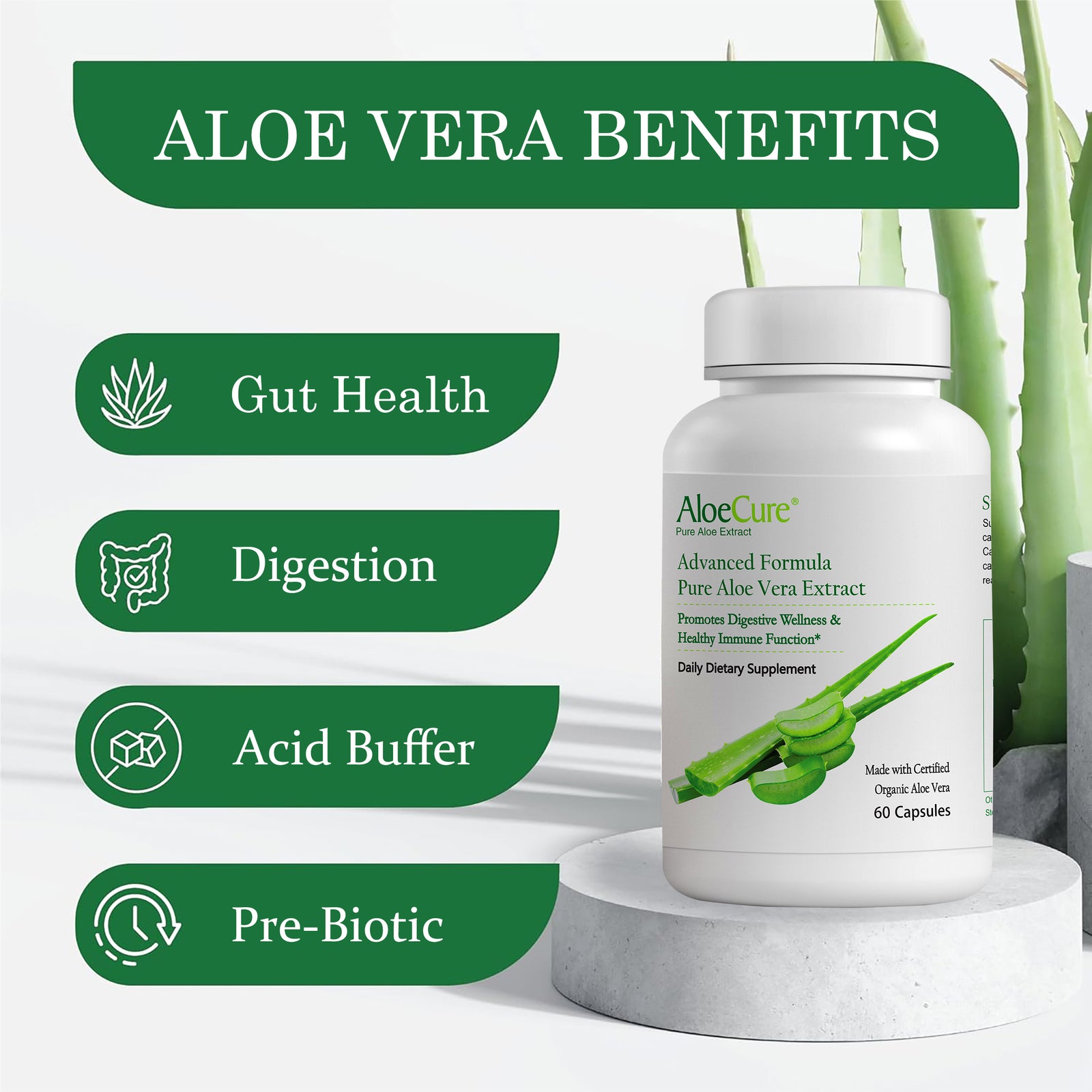
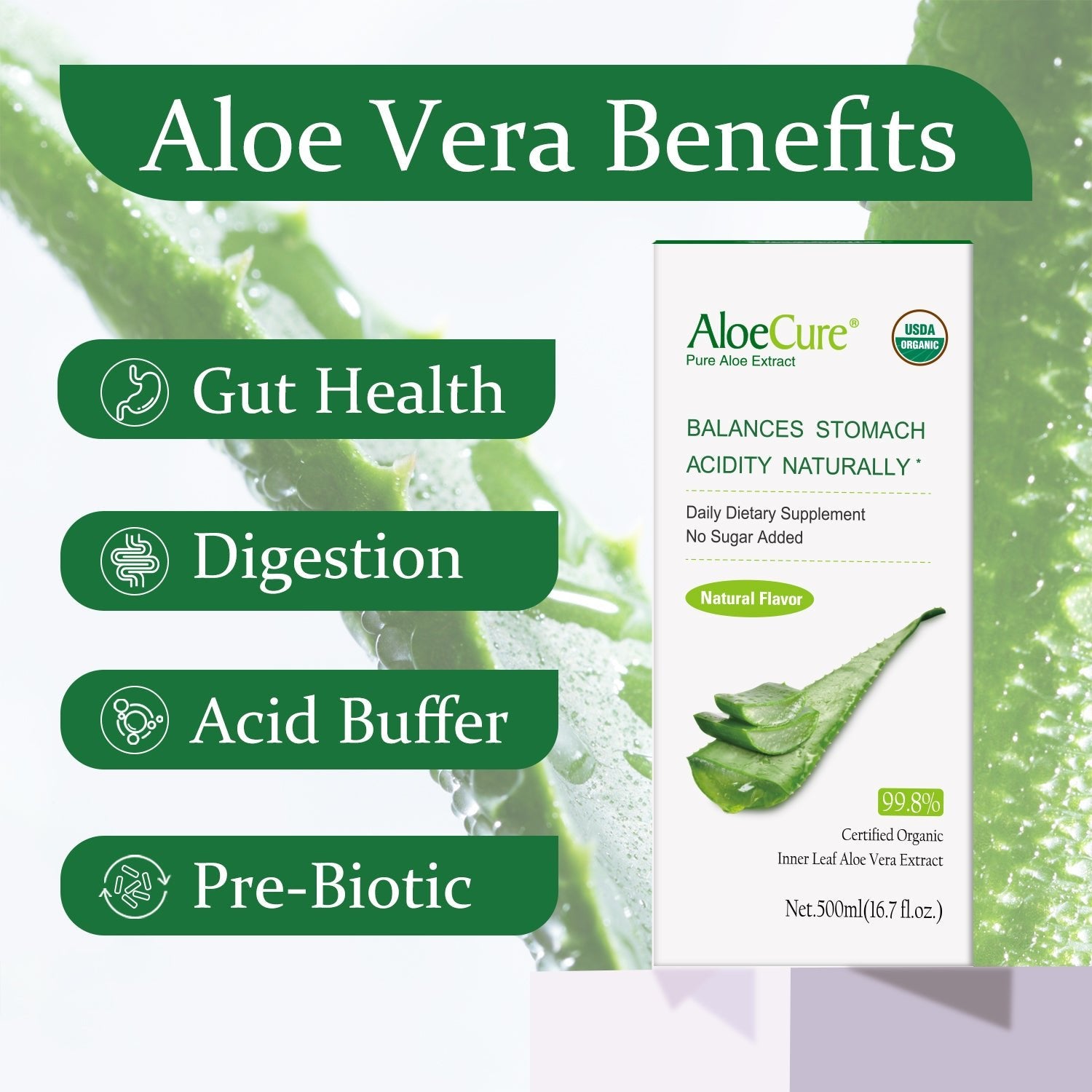
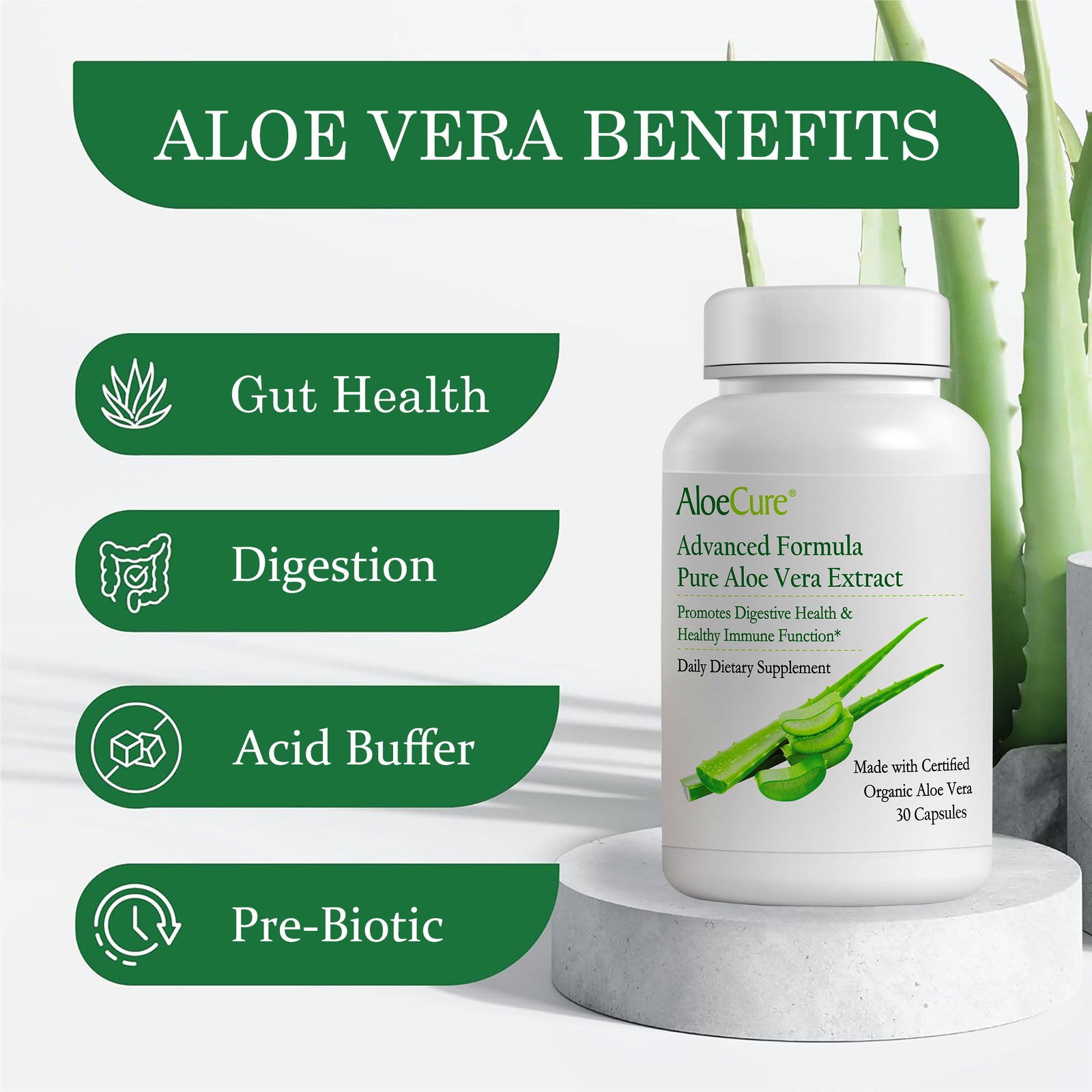
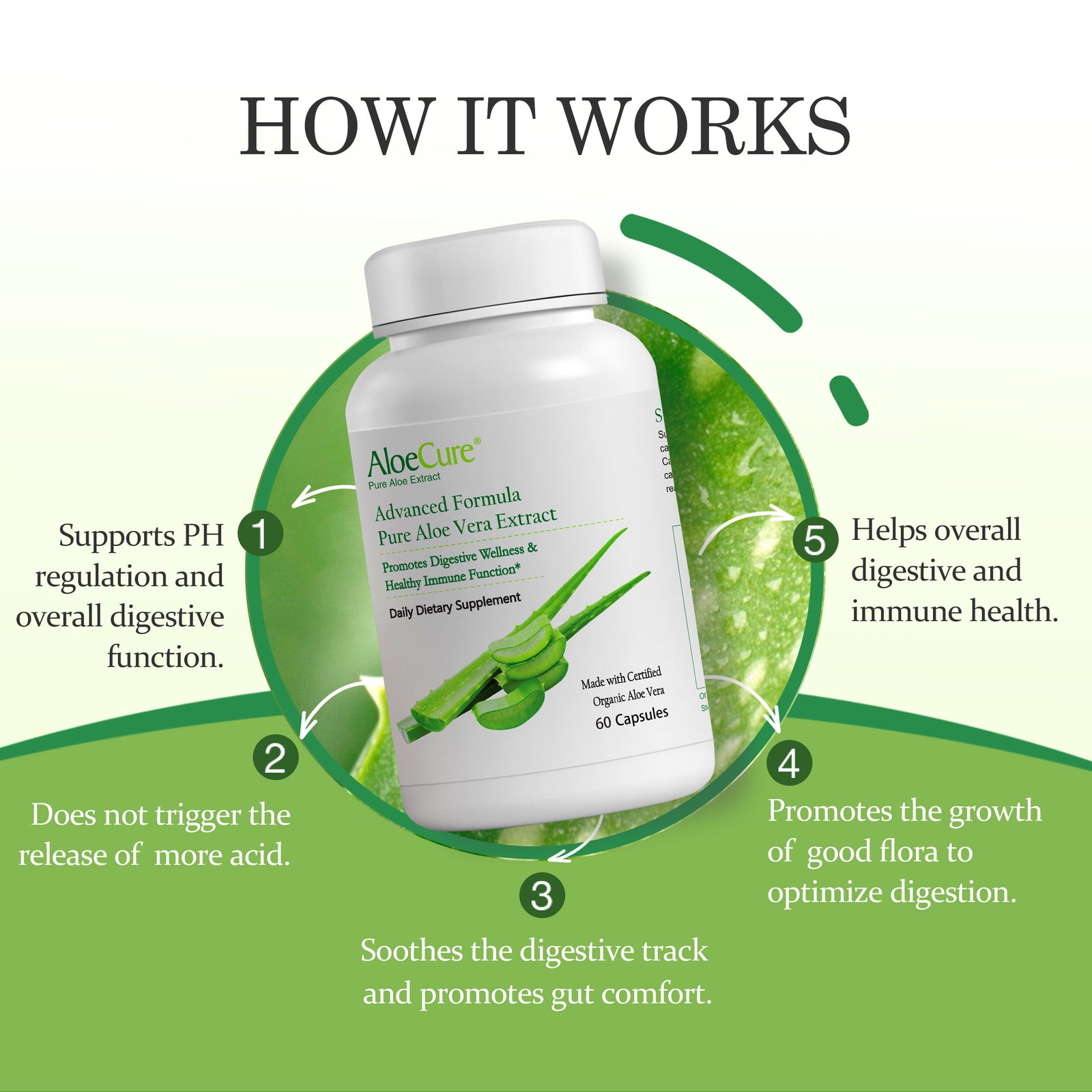
Our Pure Aloe Vera Juice and Advanced Formula Capsules are crafted to support healthy digestive system function and promote daily comfort. They serve as a natural adjunct to the best foods for digestion support, helping you build a comprehensive and effective wellness routine. By choosing AloeCure, you are choosing more than 25 years of expertise dedicated to delivering the best of nature, backed by an unwavering commitment to quality. Start building a stronger foundation for your digestive wellness today.
These statements have not been evaluated by the Food and Drug Administration. This product is not intended to diagnose, treat, cure, or prevent any disease.
Ready to take the next step in your wellness journey? Discover how the certified organic, farm-fresh aloe vera from AloeCure can complement your diet and provide targeted support for digestive harmony. Explore our products and sign up for 20% off with our Subscribe & Save program at AloeCure today.
Les commentaires sont approuvés avant leur publication.