Votre panier est vide

You notice a few changes in how you feel, so you start doing what most health-conscious people do. You search for answers, compare wellness tips, and come across a so-called at home iodine deficiency test that promises a quick read from your bathroom counter.
That kind of shortcut is appealing. Iodine plays a real role in healthy thyroid hormone production and overall body function, so it makes sense to wonder whether your intake is where it should be. The problem is that not every home method gives meaningful information, and some of the most popular ones create more confusion than clarity.
A safer approach is to separate curiosity from guesswork. Some at-home options are mostly social-media folklore. Others are lab-based tools that can give a useful snapshot of recent iodine intake when you interpret them carefully and in context.
Lena had one of those weeks where nothing felt dramatic, but nothing felt quite right either. She wasn't looking for a label. She just wanted to understand her body better, so she started browsing home wellness tests, from food sensitivity kits to hormone panels to an at home iodine deficiency test.
That search path is common now. People want more visibility into their nutrition, energy, and everyday body signals without waiting for a yearly appointment. There's nothing wrong with that instinct. In many cases, paying attention early is part of a thoughtful wellness routine.
Iodine supports normal thyroid hormone production, and thyroid hormones help maintain healthy metabolism, energy use, and other basic body functions. Because iodine is essential, home testing discussions often make it sound as if a quick DIY check can tell you everything you need to know.
It can't.
The biggest source of confusion is that iodine testing lives in two very different worlds. One world is driven by trends, patch hacks, and dramatic claims. The other is built around laboratory measurement, cautious interpretation, and a broader look at diet and health patterns.
Practical rule: If a home test promises a diagnosis from a fading skin stain, it's oversimplifying a complex nutrition question.
When you're evaluating any at-home wellness tool, ask three basic questions:
That shift matters. Once you stop asking, “What's the fastest test?” and start asking, “What's the most reliable test?”, the picture gets much clearer.
You notice a faint orange square on your arm before bed. By morning, it has faded. A blog post says that means your body soaked up iodine because you were deficient.
That conclusion sounds neat, but the test itself is not.

The patch method is simple on the surface. A person paints iodine on the skin, often as a small square or grid, then watches to see how quickly the color disappears. Supporters often assign meaning to the timing and treat a faster fade as a sign of greater iodine need, as described in this overview from Luminate Clinic.
That is the myth's main appeal. It turns a messy nutrition question into a clock.
Skin is not a laboratory collection tube. It is a living barrier that interacts with heat, sweat, friction, oils, washing, and evaporation. Those factors can change how long an iodine stain stays visible.
A fading patch shows that the color on the skin changed. It does not show how much iodine your body has stored, how much you ate, or whether your thyroid is affected.
This is similar to judging hydration by how fast water dries on your hand. The drying time reflects the surface conditions, not your internal fluid balance.
Patch results can shift for reasons that have nothing to do with deficiency. Skin thickness, body location, recent bathing, humidity, natural oil production, and barrier irritation can all change how the stain looks over time.
That means two health-conscious readers could follow the same directions and get different fading times while having similar iodine intake.
A disappearing stain is a skin event, not a validated nutrition measurement.
The patch test can mislead in both directions:
That last point matters. Home wellness tools are most helpful when they reduce guesswork, not when they add it. The same caution applies in other areas of self-testing, including what men should know about sperm tests, where test quality and interpretation matter as much as convenience.
If you want an at-home iodine deficiency test that is grounded in clinical practice, the patch test is the wrong tool. A urine-based test gives you a real sample to measure, which is why it remains the recognized starting point for at-home iodine assessment.
Once you move past the patch myth, the legitimate options are much simpler to explain. Clinically recognized at-home iodine testing is based on urine, because iodine is rapidly excreted through the kidneys.
The two main formats are a spot urine iodine test and a 24-hour urine iodine test. Both involve lab analysis. That's the key difference.

A spot urine test captures iodine excretion at one point in time. It's convenient and often used in at-home kits. Some labs also normalize the result to creatinine to help interpret the sample.
A 24-hour urine test collects all urine over a full day. It's more involved, but it can give a broader picture of total iodine excretion over that period.
Here's the practical comparison:
| Test type | What it measures | Best for | Main limitation |
|---|---|---|---|
| Spot urine iodine | A snapshot of recent iodine intake | Convenience and screening conversations | Can vary based on recent meals and timing |
| 24-hour urine iodine | Total iodine excreted over a day | More comprehensive home collection | More effort and stricter collection steps |
| Patch test | Skin color fading | Curiosity only | Not clinically validated |
For a clinically meaningful assessment, a median urinary iodine concentration of 100 to 199 µg/L in a spot urine test is considered consistent with adequate iodine intake in healthy adults, according to ZRT Laboratory's iodine testing reference.
That same reference explains an important point that many people miss. Urine results reflect recent dietary intake, not long-term stores. Because of that, some advanced kits recommend multiple collections to improve accuracy and reduce day-to-day variability.
A short video can help make the difference between test formats easier to visualize.
If you're comparing wellness tests in general, it helps to think in terms of sample quality, lab method, and interpretation support. The same mindset applies in other areas of home fertility and hormone tracking. For another example of how at-home testing quality can vary, this guide on what men should know about sperm tests offers a useful model for evaluating convenience versus clinical value.
A good at-home iodine option should clearly tell you:
That last point matters most. Even the better test doesn't become meaningful until someone interprets it in context.
A urine iodine number can be useful. It cannot stand on its own.
The safest way to read an at home iodine deficiency test is to treat the result as one piece of a larger picture that includes diet, symptoms, overall wellness patterns, and other lab work a qualified professional may recommend.

The World Health Organization classifies a population median urinary iodine concentration below 100 µg/L as insufficient iodine intake in its iodine deficiency guidance. That benchmark is widely used in public health.
For personal use, though, interpretation gets more nuanced. The same body of guidance is part of why experts recommend viewing urinary iodine alongside thyroid-related markers such as TSH, rather than treating one urine value as a complete answer.
If you get a home lab result back, use this sequence:
Keep this in mind: a home result is best used as a conversation starter, not a personal verdict.
Many readers want a clean yes-or-no answer from a lab report. Biology rarely works that way. Nutrient status often overlaps with broader questions about absorption, food patterns, and how the body uses what you eat.
If you want a useful companion read on that bigger picture, AloeCure's article on what bioavailability means for nutrient support can help explain why what you absorb and use matters just as much as what you consume.
A thoughtful interpretation protects you from two extremes. One is dismissing a result that deserves follow-up. The other is overreacting to a result that needs context before action.
A home test can stir up a lot of urgency. The steadier next step is often much simpler. Look at what regularly lands on your plate.
That matters because iodine status is not something you can judge from a fading skin patch or from one trendy post online. For many adults, the more useful question is whether daily eating patterns include reliable iodine sources often enough to support normal intake. A food-first review keeps the focus on habits you can see and adjust.
Iodine shows up in a fairly small group of foods, which is why intake can drift without much notice. It works a bit like a household item you only buy from a few stores. If you stop visiting those stores, your supply can steadily run low.
Common dietary sources include:
You do not need to calculate every bite. The better question is whether your usual routine leaves out most of these foods for weeks at a time.
Some eating patterns deserve a more careful nutrition review. This can apply to people who avoid dairy, eggs, seafood, or iodized salt, or who follow highly restrictive diets. That does not confirm a deficiency. It means there is more reason to check whether intake is lining up with your needs.
Pregnancy deserves special care here because iodine needs change during that stage of life. If that applies to you, this guide on understanding iodine intake during pregnancy is a helpful starting point for a conversation with your provider.
Food patterns give more useful clues than an iodine patch ever could.
People often jump straight from uncertainty to supplements. A calmer approach usually serves the body better. Start with regular meals, enough protein, hydration, and a varied diet, then consider whether absorption may also be part of the picture.
For a practical primer, AloeCure's article on how to improve nutrient absorption explains why what your body takes in and uses matters, not just what you swallow.
If you are considering an iodine supplement, go carefully. Too little iodine can be a problem, but too much can also create trouble, especially for people with thyroid concerns. Food, context, and professional guidance usually lead to safer decisions than self-diagnosis.
The safest takeaway is straightforward. The skin patch version of an at home iodine deficiency test is not a dependable way to assess iodine status, even though it's easy to find online.
Many articles skip an important detail here. Skin traits can distort patch fading times. Research has shown that skin hydration and barrier integrity can alter topical iodine diffusion, so a fast-fading patch may reflect skin type rather than iodine status, as discussed in ZRT Laboratory's review of iodine assessment pitfalls.

A better path is less dramatic and more useful:
That approach may feel less exciting than a viral skin test, but it protects you from false alarms and impulsive decisions.
Iodine matters, but health doesn't come down to one nutrient or one test. A more grounded plan looks at overall patterns, not isolated panic points. If you're building that kind of broader routine, this science-backed wellness plan offers a useful framework for thinking beyond single-issue fixes.
It also helps to remember that wellness support often takes time and consistency. If you're trying to understand that process better, AloeCure's article on how long supplements take to work gives a practical view of what realistic expectations can look like.
The smartest use of home testing is simple. Get better information. Slow down before reacting. Build your plan around food, context, and qualified guidance.
These statements have not been evaluated by the Food and Drug Administration. This product is not intended to diagnose, treat, cure, or prevent any disease.
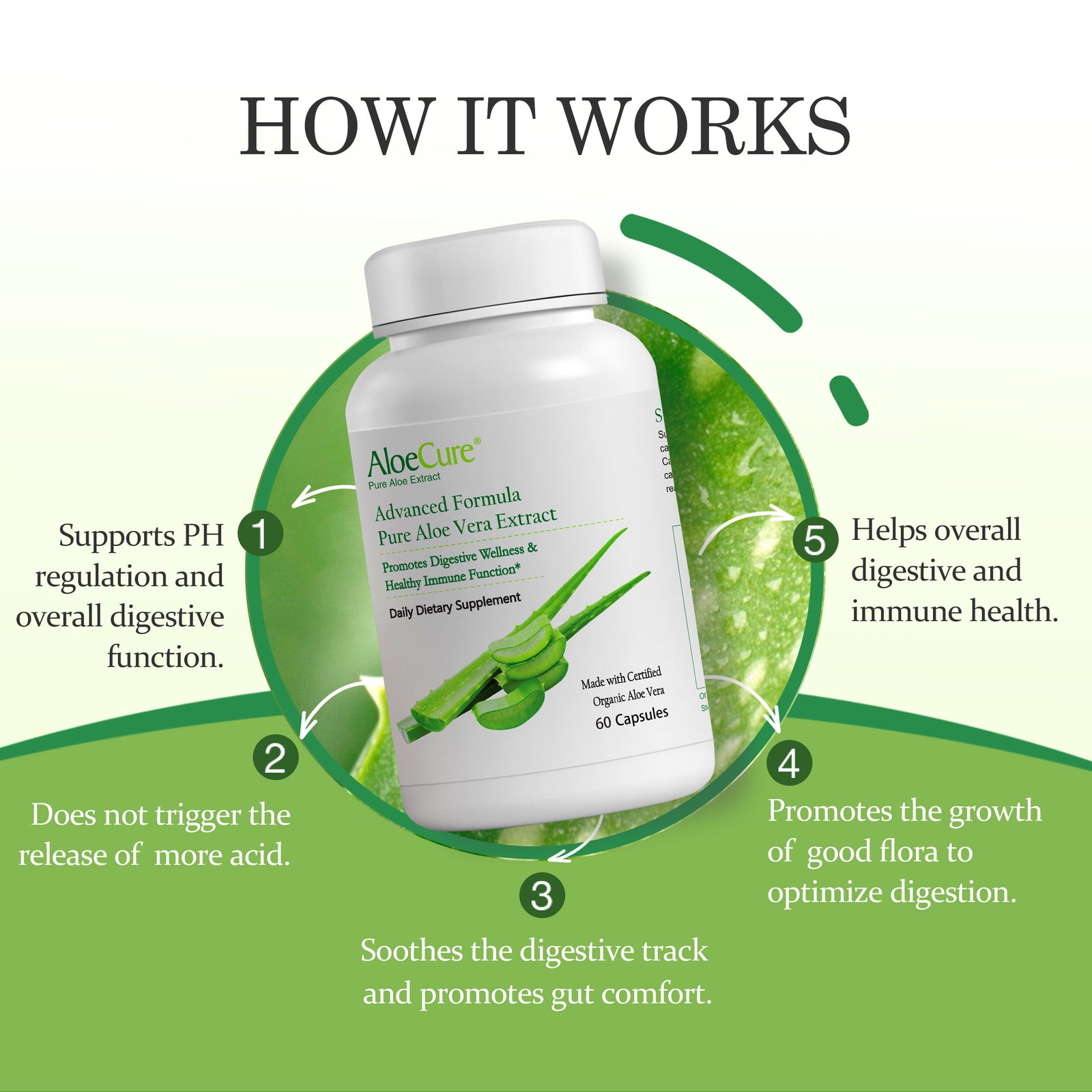
If you're looking for clean, plant-based support for everyday wellness, explore AloeCure. AloeCure produces its own organic aloe from farm to finished product, using a vertically integrated process that starts with hand-harvested aloe and continues through on-site processing. That quality-first approach helps support healthy body function and promotes everyday wellness. You can also sign up for Subscribe & Save to receive 20% off flexible recurring orders.
Les commentaires sont approuvés avant leur publication.