Tu carrito está vacío
Envío y manipulación gratuitos con todos los pedidos superiores a $25
Envío y manipulación gratuitos con todos los pedidos superiores a $25

You've added lentils to lunch, swapped white bread for whole-grain toast, and started buying more vegetables. Yet your stomach feels unsettled, so you search for answers and find conflicting advice. One person says to eat more fiber, another says to avoid beans and onions, while a third recommends a daily supplement. Plant based gut health doesn't have to be all or nothing. The most useful approach combines plant variety, gradual change, digestive comfort, and careful attention to product quality.
A plant-focused eating pattern matters because your food doesn't only nourish you. It also supplies the materials that microorganisms in your digestive system use to grow and produce compounds that support normal body functions. Fiber is especially important because many beneficial gut bacteria ferment it into short-chain fatty acids, including metabolites that help maintain the gut environment.
The idea has moved beyond generic advice to “eat more vegetables.” Researchers now examine microbial composition, diversity, and identifiable species. A 2023 systematic review found short- to moderate-term beneficial effects from plant-based diets compared with conventional diets across study periods of up to 13 months, including changes in gut microbiome composition and related health markers. The review is available through peer-reviewed research on plant-based diets and the gut microbiome.

A plate built around vegetables, whole grains, fruit, nuts, seeds, and legumes gives gut microbes a broader selection of plant compounds than a repetitive menu. That variety can support a more adaptable microbial community, although individual responses differ. A person who feels uncomfortable after a large serving of beans may still benefit from smaller portions, different preparation methods, or gentler plant alternatives.
The distinction between healthful and unhealthful plant-based patterns also matters. The 2024 human study described in the same research review associated greater adherence to a healthful plant-based pattern with microbiome alpha-diversity and three polysaccharide-degrading bacterial species. An eating pattern built mostly from refined, highly processed foods may be plant-based without offering the same range of fiber and plant compounds.
Stress, sleep, movement, and meal timing can also shape how eating feels. For a broader look at the relationship between emotional demands and the microbiome, explore this resource on gut health and stress microbiome. The practical lesson is simple: plants provide the raw materials, but your routine determines how consistently you use them.
Think of the gut microbiome as a garden rather than a single “good” or “bad” organism. A garden needs different plants, regular nourishment, water, and conditions that allow the whole ecosystem to function. Your gut contains a complex community of microorganisms, and different plant foods provide different fibers and carbohydrates for that community.

Some plant fibers pass through digestion largely intact. Microorganisms then ferment them, producing short-chain fatty acids, including acetate, propionate, and butyrate. These compounds help support the gut environment and normal physiological processes.
Polysaccharide-degrading bacteria are particularly useful because they can break down complex plant carbohydrates that human digestive enzymes can't fully process. Modern research has examined species such as Faecalibacterium prausnitzii and Bacteroides thetaiotaomicron, connecting plant-forward eating with microbial functions involved in fermentation and gut barrier support. This doesn't mean one food creates one guaranteed result. It means the food variety you provide influences the resources available to different microbial groups.
Use a rotation of plant categories rather than relying on one “superfood.”
Hydration supports normal digestion, particularly as fiber intake rises. If you want a clear explanation of how different supplements and foods fit into the microbiome picture, read about the difference between probiotics and prebiotics.
Practical rule: Add variety gradually, and track comfort alongside food choices. A sustainable menu is more useful than an ambitious plan you abandon.
For a visual explanation of the topic, this video provides another way to connect plant foods, fiber, and the microbiome:
Fiber is a central reason plant based gut health receives so much attention. A 2022 review reported that global average dietary fiber intake ranges from 15 to 26 grams per day, below the 20 to 35 grams per day commonly recommended in most countries. The same review links higher fiber intake with healthier gut microbiota and explains that long-term reductions in fiber-rich eating patterns have contributed to broader metabolic trends. Read the 2022 review of dietary fiber and gut microbiota for the full context.

Plants let you raise fiber through meals instead of depending on a single powder or capsule. A bowl of oats with berries and chia provides a different mix from lentil soup, a baked potato with its skin, or a salad topped with seeds. Each option contributes plant material, while the combination broadens the types of carbohydrates available for fermentation.
Fiber isn't one uniform substance. Soluble fiber absorbs water and forms a gel-like texture in some foods. Insoluble fiber adds bulk to plant foods. Resistant starch, found in foods such as cooked and cooled potatoes, rice, and pasta, can reach the colon and serve as fuel for microorganisms. Your meals don't need to contain every type at once. A varied pattern across the day is a practical target.
A sudden change from a low-fiber menu to large servings of beans, bran, raw vegetables, and seeds can feel uncomfortable. Start with a familiar meal and make one adjustment, such as adding oats at breakfast or replacing part of a refined grain with brown rice. Then give your body time to adapt before making another substantial increase.
Use cooking to change texture and tolerance. Soups, stews, roasted vegetables, and blended meals may feel easier than very large raw salads. For more meal ideas, see these plant foods for digestion support, then choose the examples that match your preferences and comfort.
More plants isn't automatically the right short-term strategy for everyone. Some plant foods contain fermentable carbohydrates known as FODMAPs, including beans, wheat, onions, and garlic. These foods can be nutritious, yet they may create more digestive symptoms for some people when portions are large or several high-FODMAP ingredients appear in the same meal.
The British Dietetic Association explains that increasing plant-based foods can worsen symptoms for some people because fermentable carbohydrate intake rises. It also describes the low-FODMAP approach as a structured process involving elimination, reintroduction, and personalization, with symptom reduction reported in up to 70% of people with IBS. Because the requested wellness language here avoids disease terminology, the practical point is this: a low-FODMAP pattern should be personalized with qualified guidance rather than followed as a permanent blanket restriction. See the British Dietetic Association guidance on plant-based eating and digestive comfort.
| Food Category | High-Fiber Options | Low-FODMAP Alternatives |
|---|---|---|
| Legumes | Beans, chickpeas, lentils | Firm tofu, tempeh, or carefully portioned canned lentils |
| Grains | Wheat bread, barley, rye | Oats, quinoa, rice, or suitable sourdough |
| Vegetables | Onions, garlic, cauliflower | Carrots, zucchini, spinach, bell peppers |
| Fruit | Apples, pears, peaches | Kiwi, oranges, berries, or grapes |
| Flavor builders | Garlic, onion, wheat-based sauces | Chives, infused oils, ginger, herbs, and spices |
A simple food-and-comfort journal can reveal patterns. Record the food, approximate portion, preparation method, and how you feel afterward. Don't remove several categories at once, because you won't know which change made a difference.
Reintroduction matters. After a short, structured period, add foods back one at a time and observe your response. This protects variety and helps prevent an unnecessarily narrow menu. Plant based eating can also remain enjoyable outside the home. If you're planning a meal out, this guide to top vegan spots in Manchester offers inspiration for finding plant-forward dishes.
Aloe vera can fit into a plant-based wellness routine as a supplement that supports healthy digestive function and helps maintain normal body processes. The inner leaf gel contains naturally occurring compounds, including acemannan, a polysaccharide studied for its role in aloe's structure and biological activity. Learn more about this compound in what acemannan is.
Processing quality matters because aloe isn't simply harvested and poured into a bottle. Peer-reviewed aloe processing literature describes activated carbon filtration as a common method used to absorb aloin and aloe emodin during juice production. The same literature notes that filtration sequences can remove unwanted insoluble fiber and carbon after processing, and that filtration can affect final juice stability. Review the peer-reviewed literature on aloe juice processing to understand why manufacturing choices deserve attention.
A product made from inner leaf gel differs from a whole-leaf formula because the raw material and processing pathway are different. Read the label, check the ingredient list, and look for clear information about cultivation, harvesting, processing, certifications, and testing.
AloeCure describes a vertically integrated model in which its parent company farms aloe, harvests it, processes it on-site within 12 hours of harvest, and produces finished products within its own operation. Independent patent information also describes the feasibility of a vertically integrated aloe chain covering growing, harvesting, processing, and final handling, as shown in this patent record for integrated aloe production.
If you're evaluating aloe plants themselves, growing conditions and visible plant quality also matter. This guide on how to prevent black spots on aloe provides useful background for home growers.
Choose a formula based on your routine. AloeCure offers Pure USDA Organic Aloe Vera Juice and capsule products, alongside a Pre+Probiotic and Digestive Enzyme formula. The brand states that it avoids chemicals, enzymes, concentrates, and charcoal filtration in its proprietary processing. Those manufacturing details don't replace individualized advice, but they give shoppers specific quality criteria to compare.
Label check: Look for the plant part used, processing details, certifications, serving guidance, and complete ingredient information before adding any supplement.
A useful routine should feel repeatable on an ordinary day. Start with meals, then layer supplements around habits you already follow. That approach keeps plant based gut health practical instead of turning it into a complicated schedule.
Breakfast could combine oats, berries, chia seeds, and walnuts. If those foods suit you, the meal provides several plant sources with different textures and fibers. Another option is whole-grain toast with avocado and pumpkin seeds, paired with a piece of fruit.
If you use Pure USDA Organic Aloe Vera Juice, follow the product label and add it to an established morning habit, such as drinking water after waking. Don't increase serving amounts just because a product is plant-based. More isn't always more comfortable.
Lunch can be a grain bowl with quinoa, roasted carrots, spinach, tofu, pumpkin seeds, and herbs. For a gentler option, use rice, zucchini, firm tofu, and a simple herb dressing. The second meal still adds plant variety without relying on large portions of beans, onion, or garlic.
A Pre+Probiotic and Digestive Enzyme Capsules formula can be used according to its label if it fits your needs and dietary preferences. Supplements should complement meals, not replace the gradual addition of whole plant foods.
Build dinner around a cooked vegetable, a grain or starchy plant food, and a protein source. Examples include lentil soup with spinach, tofu with rice and zucchini, or quinoa with roasted eggplant and carrots. If legumes feel challenging, start with a smaller serving or choose tofu and tempeh while you explore your tolerance.
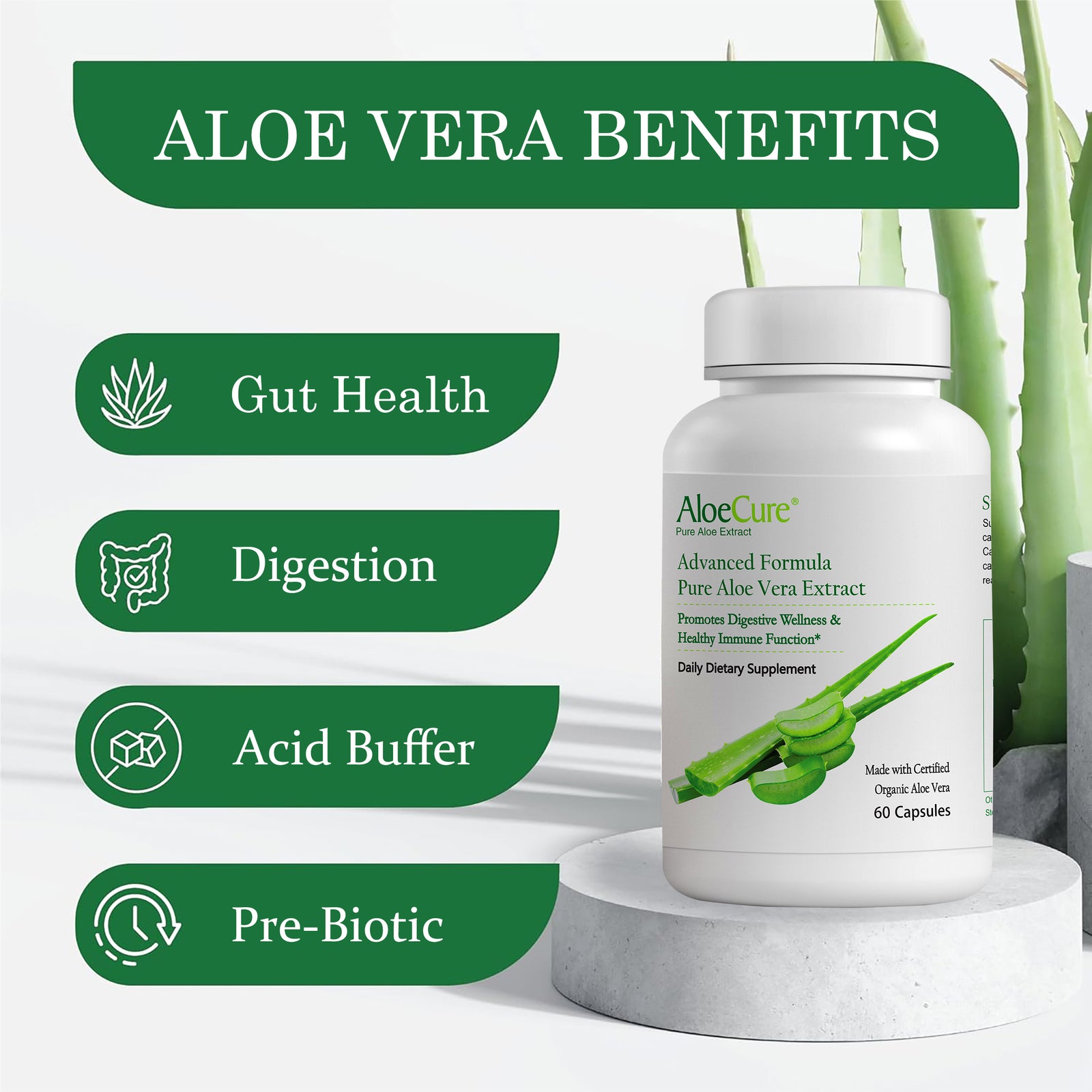
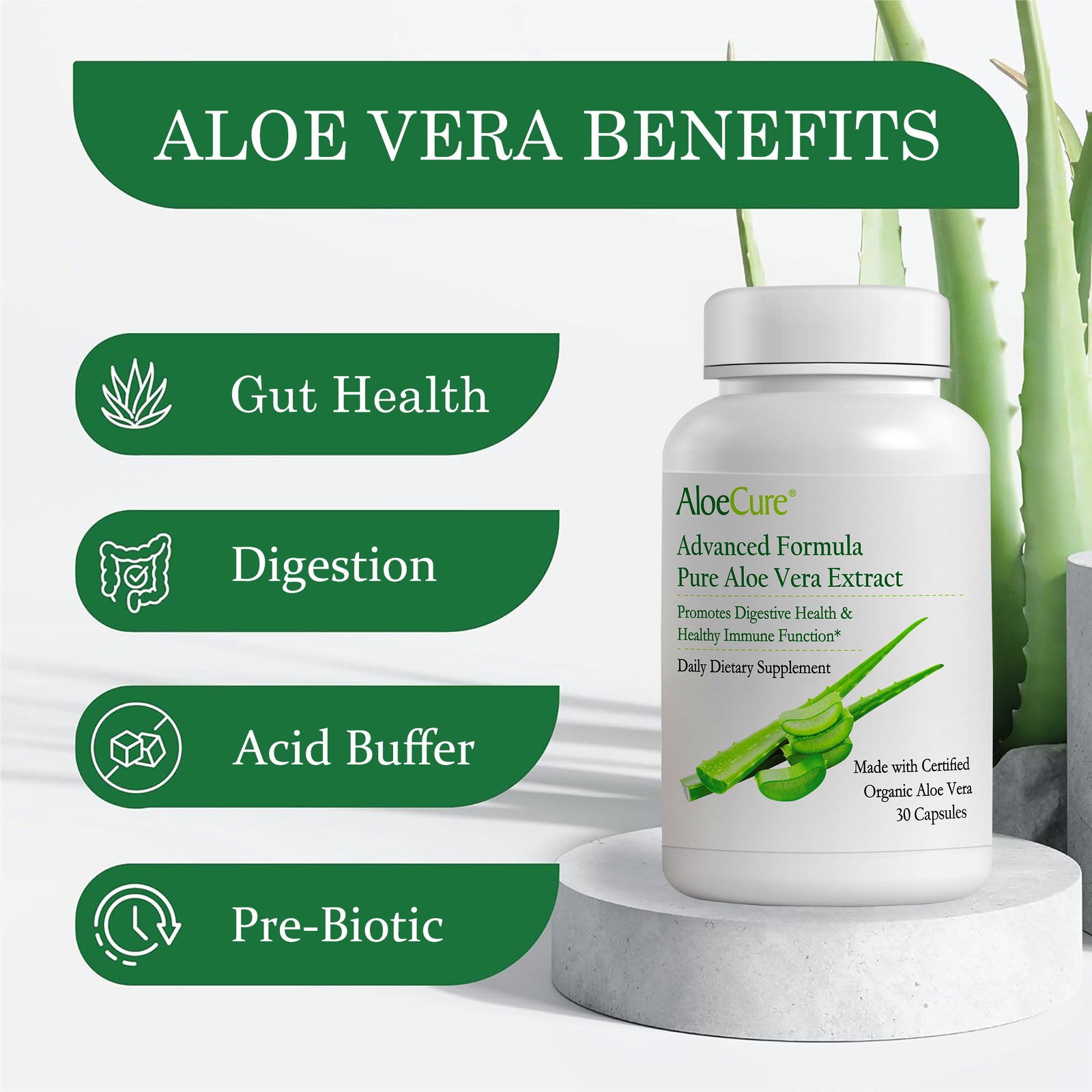
For travel or busy days, Advanced Formula Aloe Capsules offer a portable format when used as directed. Keep your routine flexible. A meal that works on a quiet weekend may need to be simpler before a commute or a long workday.
Try kiwi with pumpkin seeds, berries with walnuts, or rice cakes with a suitable nut butter. Keep a short record of new foods, portions, and comfort so you can make informed adjustments rather than reacting to one difficult day.
Plant based gut health works best as a flexible framework. Fiber feeds microorganisms, variety expands their available resources, and personalization helps you choose foods your body handles comfortably. Aloe vera may sit alongside that foundation as a plant-based supplement, while product quality and processing determine what you're consuming.
Begin with one meal. Add a plant food you enjoy, keep the portion manageable, and use cooked foods when that feels more comfortable. Then make a second change after you understand how the first one fits your routine. This process helps you build consistency without turning wellness into a pass-or-fail test.
When comparing supplements, assess the full product story. Look for clear sourcing, transparent processing, appropriate certifications, ingredient details, and testing information. FDA guidance explains that structure/function claims may describe how an ingredient supports normal body function, but they must not imply diagnosis, treatment, cure, prevention, or disease claims. Read the FDA guidance on structure/function claims before interpreting supplement language.
AloeCure states that its products include an 8-step traceability promise, third-party certifications, rigorous testing, a 90-day money-back guarantee, 1 to 2 day priority processing, and free shipping on qualifying orders. Its Subscribe and Save program offers 20% off with flexible delivery. These are shopping features, not health outcomes, so review the product page and label to decide whether a specific formula fits your routine.
The required dietary supplement disclaimer applies:
These statements have not been evaluated by the Food and Drug Administration. This product is not intended to diagnose, treat, cure, or prevent any disease.
If persistent or severe digestive symptoms concern you, speak with a qualified healthcare professional before making major dietary changes or adding supplements. Your best routine is one you can understand, tolerate, and follow consistently.
AloeCure offers organic aloe vera juice, aloe capsules, and prebiotic, probiotic, and digestive enzyme products that can complement a personalized plant-based routine. Visit AloeCure to compare formulas, review Subscribe and Save options for 20% off, and choose a practical next step toward everyday digestive wellness.
Los comentarios se aprobarán antes de mostrarse.