Tu carrito está vacío
Envío y manipulación gratuitos con todos los pedidos superiores a $25
Envío y manipulación gratuitos con todos los pedidos superiores a $25

After a rich holiday meal or a restaurant dinner that's heavier than usual, a lot of people ask the same question. Do digestive enzyme supplements really work? The honest answer is that sometimes they may offer useful support, and sometimes they're another bottle to sit in the cabinet.
That uncertainty is what makes this topic confusing. Some products are marketed as if everyone needs them. Other voices dismiss them entirely. Many find themselves somewhere in the middle, looking for a clear explanation that respects both science and common sense.
A better starting point is this. Your body already has its own built-in food breakdown system. Supplements are meant to support healthy digestive function, not replace the basics of eating patterns, hydration, and overall wellness habits. If you want a broader overview of options people often explore, this guide to gut health supplements offers helpful context alongside this natural ways to improve gut health article, which looks at lifestyle foundations first.
Many readers land here because meals don't always feel effortless. Maybe it's a large family dinner, a late-night takeout order, or a vacation where your usual routine disappears for a few days. You eat, then notice that heavy, overfull feeling and start wondering whether digestive support could help.
That question matters because digestive wellness is rarely about a magic pill. It's more like caring for a garden. If the soil, water, and sunlight are off, adding one extra tool won't fix everything. But the right support, used in the right situation, can still be useful.
Some people are hoping for everyday mealtime support. Others are looking for something stronger than what an over-the-counter supplement can realistically provide. Those are very different situations, and they shouldn't be treated as if they're the same.
Big picture: Enzyme supplements may support the body's natural digestive process in select situations, but they aren't automatically useful for everyone.
A lot of confusion comes from labels that sound broad and reassuring. “Full-spectrum.” “Complete.” “Advanced.” Those words don't tell you whether a formula matches your needs, whether the amount is meaningful, or whether your body even needs extra support in the first place.
It helps to separate digestive support into three questions:
If you keep those three questions in mind, the rest of this topic becomes much easier to understand.
Digestive enzymes are easiest to understand if you picture them as molecular scissors. Food arrives in large, complicated pieces. Your body needs to break those pieces into smaller parts before it can absorb and use them. Enzymes are some of the tools that make that happen.
That's why the “do digestive enzyme supplements really work” question can't be answered without first understanding what enzymes do. They don't magically erase every food-related issue. Their job is much narrower and much more practical.
Here's a visual way to think about that process.

Your meals are mostly built from proteins, carbohydrates, and fats. Different enzymes help with different jobs.
| Enzyme type | What it helps break down | Simple food example |
|---|---|---|
| Protease | Proteins | chicken, eggs, beans |
| Amylase | Carbohydrates | bread, rice, potatoes |
| Lipase | Fats | avocado, nuts, oils |
If you eat grilled salmon with rice and vegetables, your body doesn't use one single all-purpose tool. It uses a mix. That's part of why broad formulas are often marketed as multi-enzyme blends.
Enzymes don't cut food randomly. Each one interacts with specific structures, a bit like a key fitting a particular lock. If you want a simple explanation of that lock-and-key idea, BacteriaFAQ's active site guide gives a useful primer without getting overly technical.
That specificity also explains why not every enzyme product helps every person. If the formula doesn't match the food challenge you're trying to support, the experience may feel underwhelming.
For readers comparing digestive support options with probiotics and prebiotics, this overview of their different roles can help clarify where enzymes fit.
A short explainer can make the process even easier to picture.
Enzymes help break food into smaller units. Smaller units are easier for the body to absorb and use.
Supplements aim to assist the body in a normal physiological process. That's the right frame. They don't replace chewing well, eating at a steady pace, or paying attention to how certain meals affect you.
It's comparable to using kitchen scissors while cooking. Good scissors can make prep easier. They can't fix poor ingredients, rushed timing, or an overloaded recipe.
The discussion requires honesty. Prescription enzyme products and over-the-counter supplements are not the same category, and blending them together creates false expectations.
According to CNN's 2024 reporting on digestive enzyme supplements, over-the-counter digestive enzyme supplements lack the rigorous FDA approval process required for prescription pancreatic enzyme therapies, and experts warn that for healthy individuals without diagnosed enzyme deficiencies, these supplements are often unnecessary.
That single distinction clears up a lot. When people hear that “enzymes work,” they may be thinking of prescription products with much stronger evidence behind them. That doesn't automatically mean an over-the-counter capsule offers the same level of benefit.
There is some encouraging evidence for targeted digestive support in select cases. A clinical study published in PMC found that a digestive enzyme complex called Similase showed significant efficacy in improving common digestive complaints compared with baseline, with p<0.05 for all symptom improvements. After five days, it was significantly more effective than a conventional comparator in reducing abdominal pain, with a p-value of 0.021.
That's promising, but the same study also reported no significant differences for other complaints beyond abdominal pain. That matters because it shows a more focused pattern of benefit, not a universal one.
Evidence-based takeaway: Some enzyme blends may provide support for specific post-meal concerns in some people, but the data doesn't justify assuming broad benefits for everyone.
A healthy body usually produces the enzymes it needs for day-to-day digestion. So if someone eats reasonably well, feels fine most of the time, and takes an enzyme supplement “just in case,” there may be little to notice. In that situation, the product may not add much beyond cost and routine.
That's one reason experts quoted in the CNN piece warned that many healthy people are spending money on products they likely don't need. This doesn't mean all over-the-counter formulas are useless. It means they should be approached with realistic expectations.
| Category | What to know |
|---|---|
| Prescription enzymes | Stronger evidence base and formal drug-level review |
| Over-the-counter enzymes | Intended for general wellness support, with more limited evidence |
| For healthy adults | Often unnecessary if the body is already handling meals well |
Another under-discussed point is ingredient source. Plant-based over-the-counter blends are often marketed broadly, but background expert commentary notes that many low-dose plant-based multi-enzyme products don't have scientifically proven measurable benefit for actual enzyme deficiency. In practical terms, that means wellness support and medical-grade replacement shouldn't be confused.
So, do digestive enzyme supplements really work? The most accurate answer is this. Some may support normal digestion in select situations, but they are not all equally validated, and many people won't need them at all.
The best candidates for digestive support usually aren't people looking for a dramatic transformation. They're people who notice patterns. Maybe larger meals sit heavily. Maybe rich foods, travel eating, or restaurant dining leave them feeling less comfortable than usual. In those situations, digestive support may fit into a thoughtful routine.
That doesn't mean everyone with occasional discomfort needs a supplement. It means certain lifestyles and meal habits make the idea more relevant.

A review of clinical trials in Biomedicine & Pharmacotherapy on ScienceDirect reported that digestive enzyme supplementation for functional dyspepsia was effective in reducing symptom severity and improving sleep quality, suggesting that targeted enzyme support may assist the body's natural digestive processes in select cases.
That's a useful example of where the evidence points. Not broad promises. Not a claim that everyone should supplement. Just a sign that targeted support may help some individuals.
Some people don't need more products. They need smaller portions, slower meals, and enough water.
Certain shoppers are especially vulnerable to marketing. If you're tired, frustrated, and searching for a quick fix, every label can sound convincing. That's when it helps to slow down.
A supplement may be worth considering if you want to support healthy digestive function around specific meal patterns. It may be less worthwhile if you're hoping a capsule will offset every heavy meal, rushed lunch, or late-night snack.
Try asking yourself these questions:
Those answers usually point you in the right direction.
The supplement aisle is crowded, and many bottles look nearly identical. If you're going to try digestive support, quality matters more than flashy packaging. A good formula should make sense on paper before you ever judge it by experience.

Start with clarity. You want a product that tells you what kinds of enzymes are included and presents the formula in a way that's understandable.
A practical checklist:
For a closer look at what broad-spectrum support means in practice, this guide to broad-spectrum digestive enzyme supplements can help you compare formulas more thoughtfully.
Natural ingredients can still raise questions about fit, timing, and interactions. Background expert discussion from Mayo Clinic notes that some common over-the-counter enzymes, such as bromelain, may raise concerns for people using certain medicines because interaction data is limited.
That's why trying a supplement forever “just because it's natural” isn't a smart strategy.
Practical rule: Test thoughtfully, not indefinitely.
According to Mayo Clinic expert guidance from Dr. Bauer, a short trial period of 2 to 3 weeks is a reasonable way to assess whether an enzyme supplement seems personally helpful, rather than staying on an unverified routine long term.
Think of your first purchase as a small experiment with guardrails. You're not trying to prove a theory. You're observing whether the product seems to promote digestive comfort in your own routine.
Keep your approach simple:
That kind of calm, practical testing is much more helpful than hopping between five products in a month.
Supplements make the most sense when they sit inside a bigger wellness routine. If meals are rushed, hydration is low, and eating habits swing wildly from day to day, even a well-chosen enzyme formula may feel disappointing.
Digestive wellness works better when the basics are steady. Your body responds to patterns.
Before adding anything new, it helps to review a few simple habits:
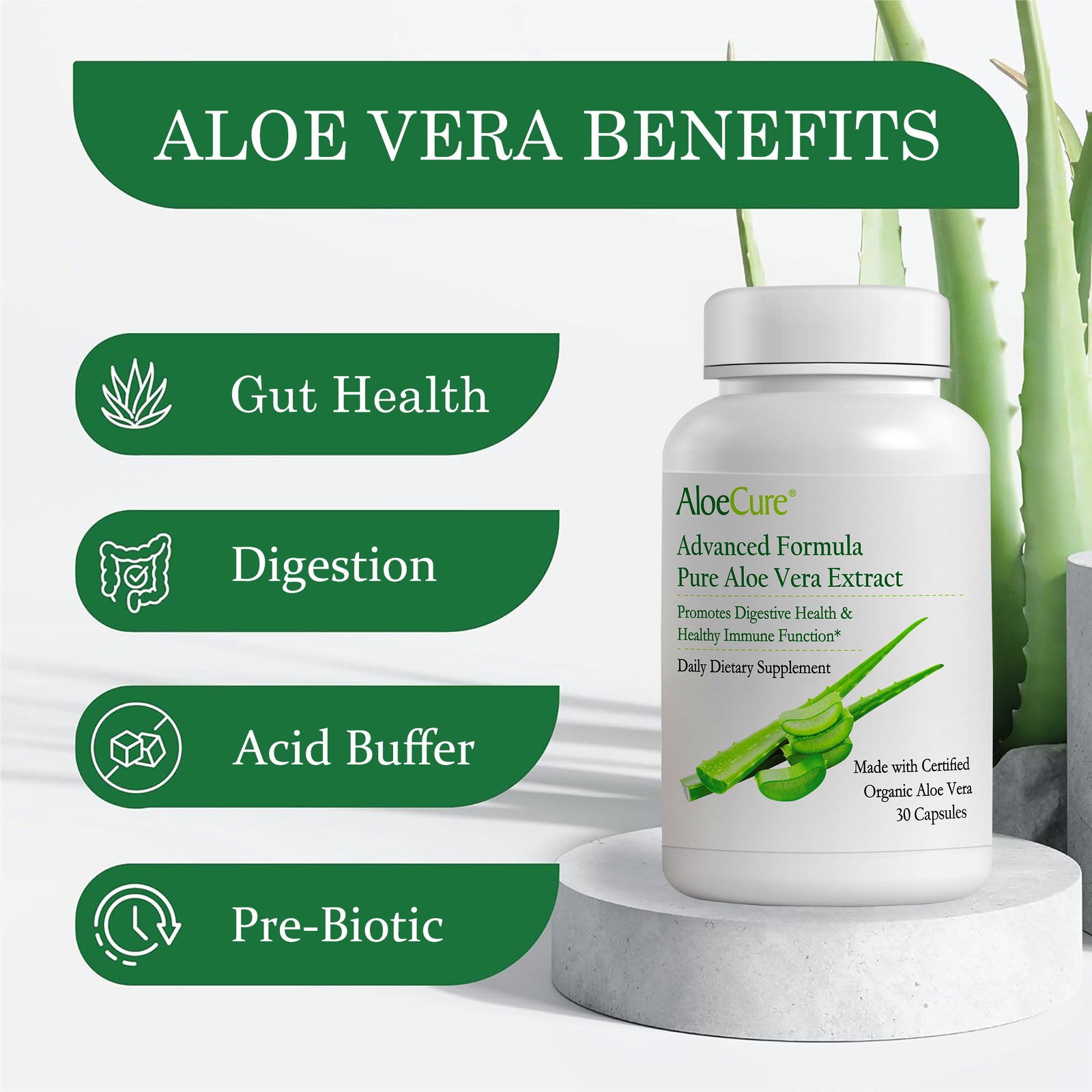
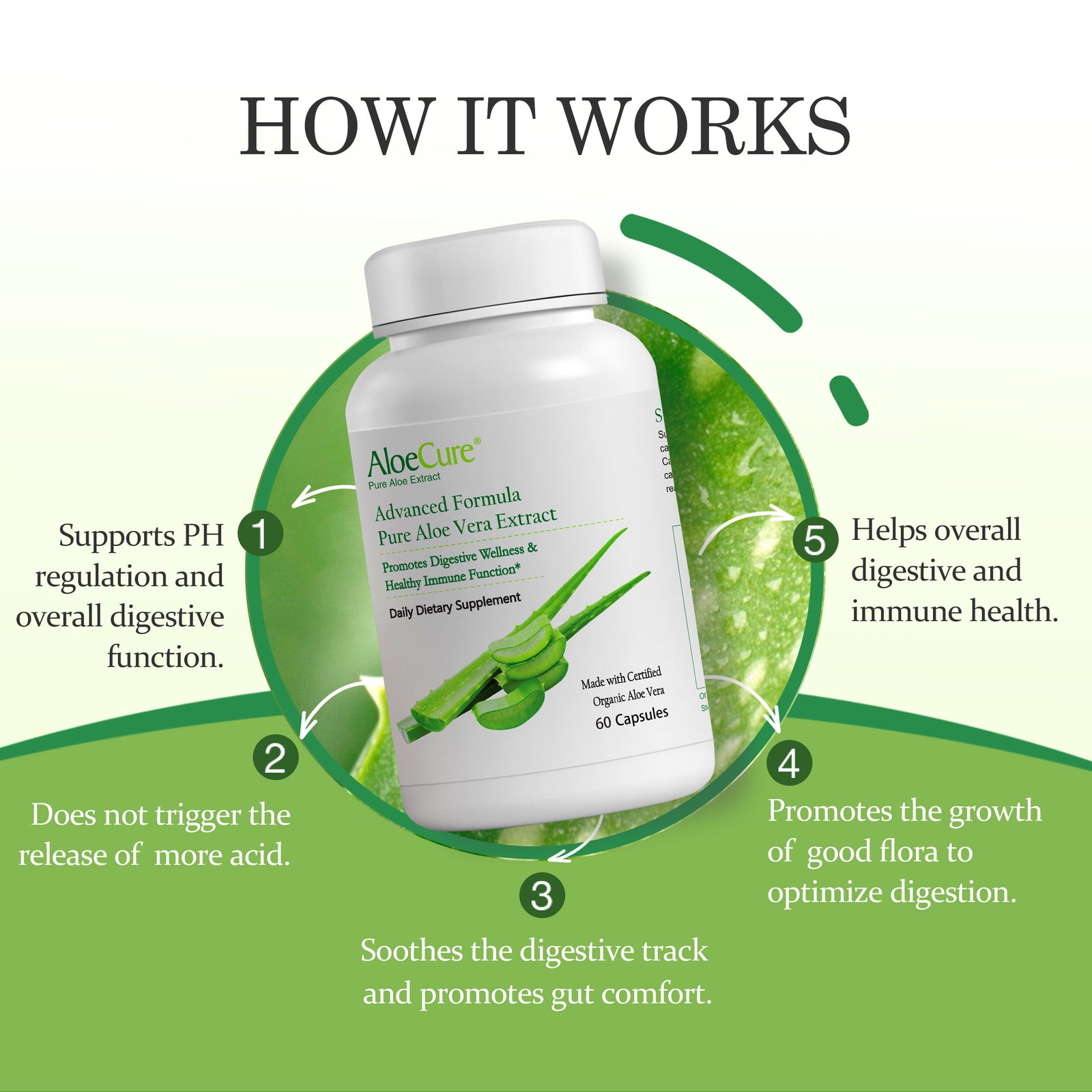
Enzymes and probiotics do different jobs. Enzymes help break food down. Probiotics are used to support a healthy gut environment. Aloe is often used as part of a broader routine focused on comfort and balance.
That's why many people prefer a layered approach instead of relying on a single ingredient. A well-designed routine can support the body's natural digestive process, help maintain normal digestive function, and encourage more consistent mealtime comfort.
Wellness products work best when they support good habits instead of trying to replace them.
Instead of asking whether a supplement is “good” or “bad,” ask this: Does it fit my actual routine? If your main challenge is that you eat too quickly, the first fix isn't another capsule. If your challenge is occasional discomfort after richer meals, targeted support may be more reasonable.
That's an effective way to make decisions. You don't need hype. You need a clear picture of what your body is asking for, what a product can realistically do, and what it can't.
These statements have not been evaluated by the Food and Drug Administration. This product is not intended to diagnose, treat, cure, or prevent any disease.
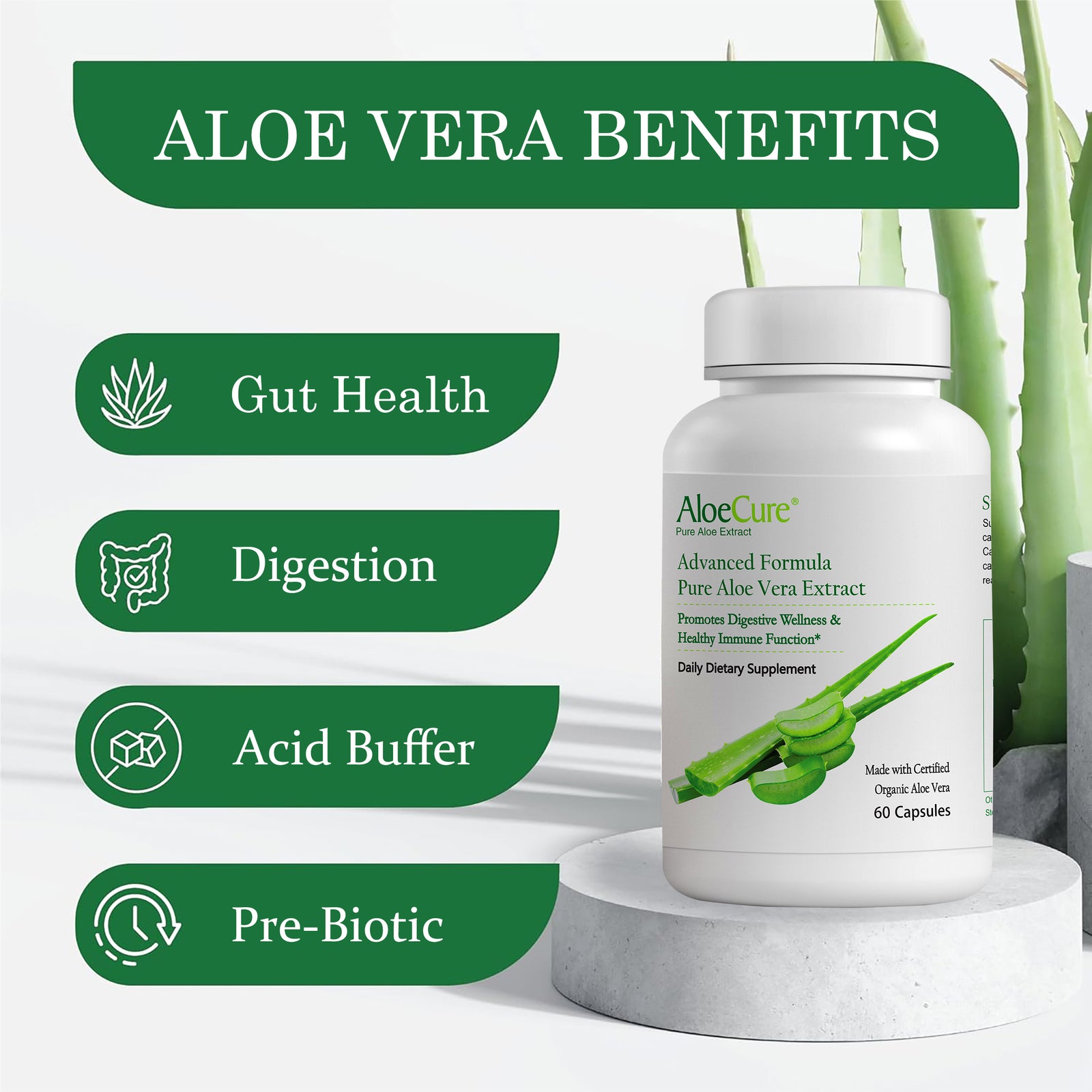
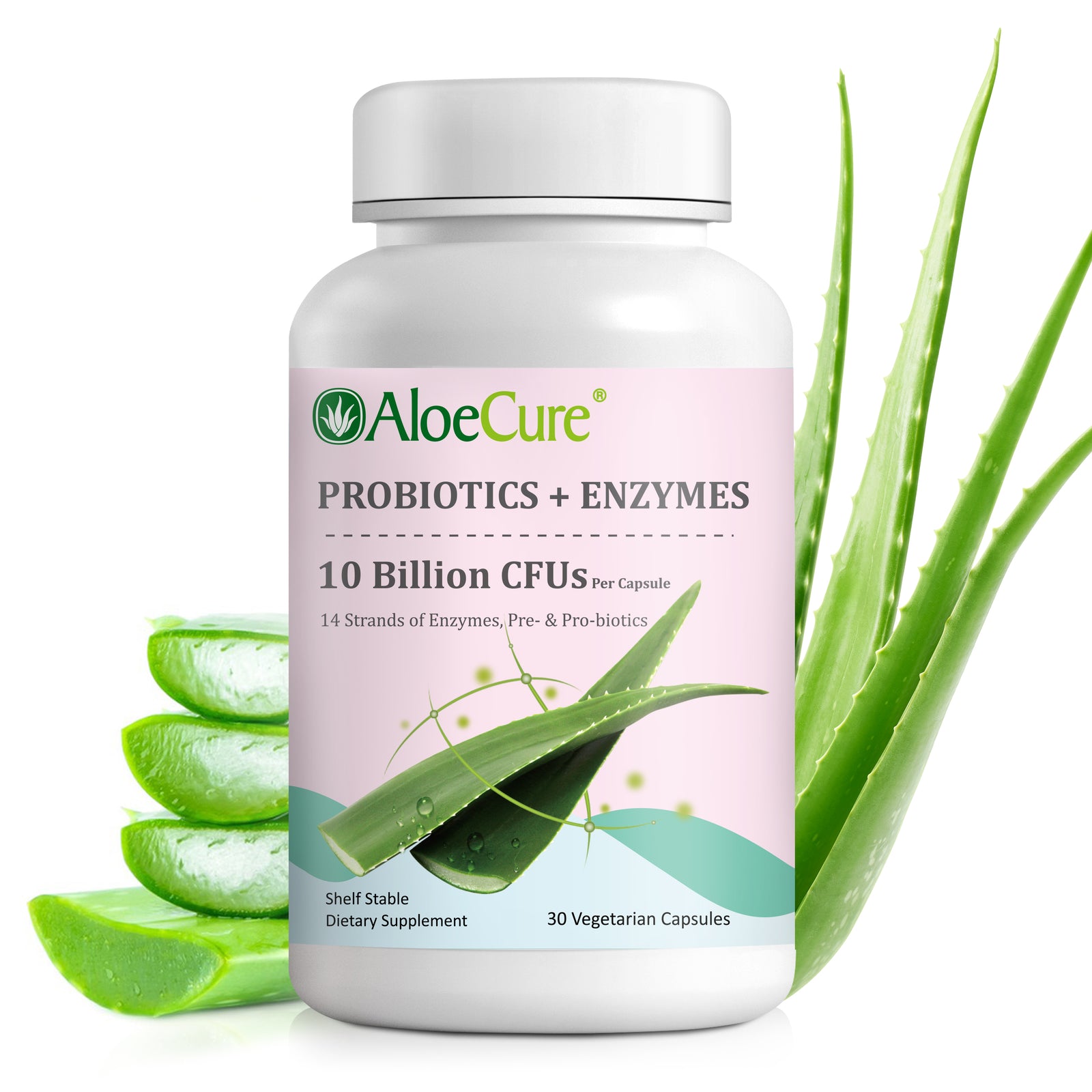
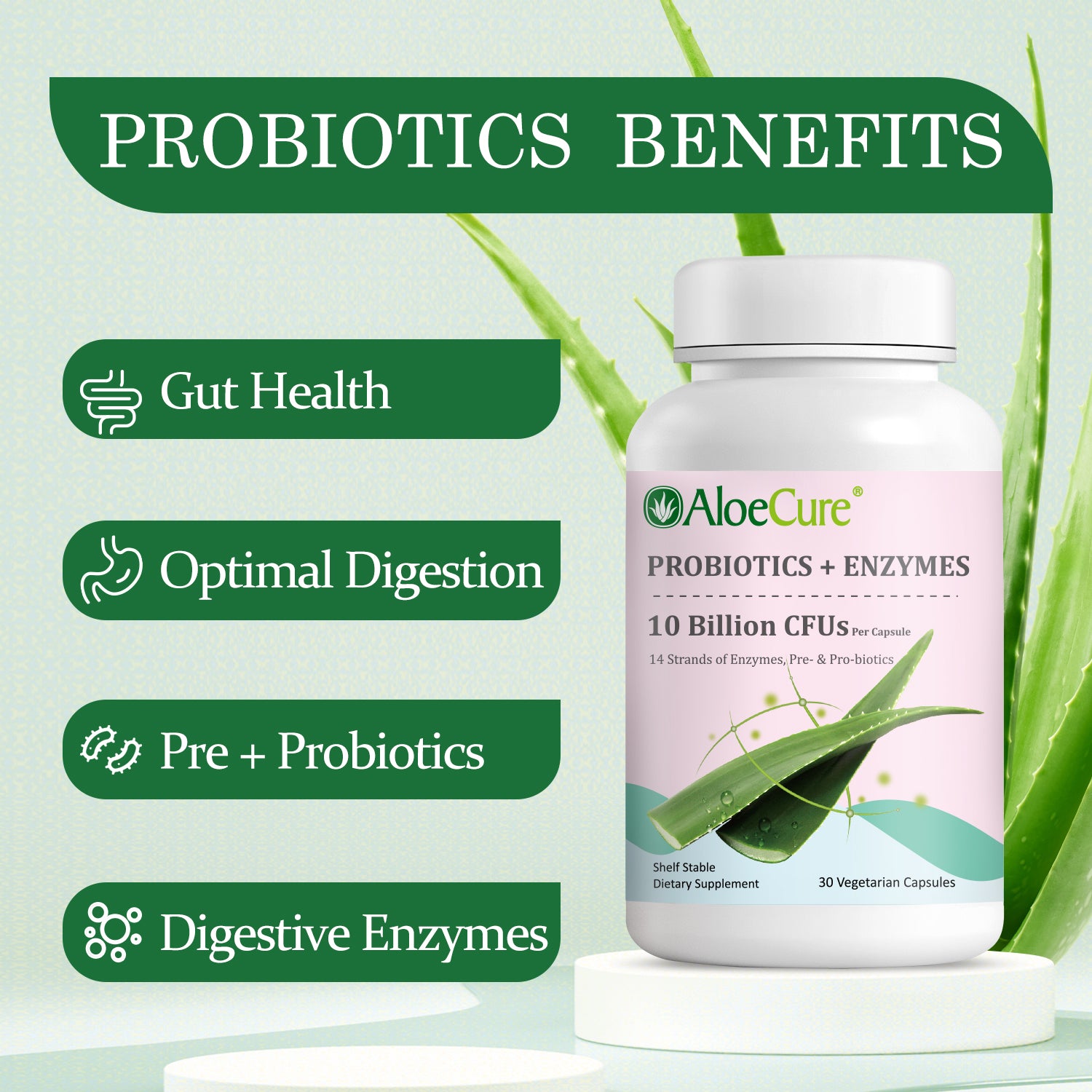
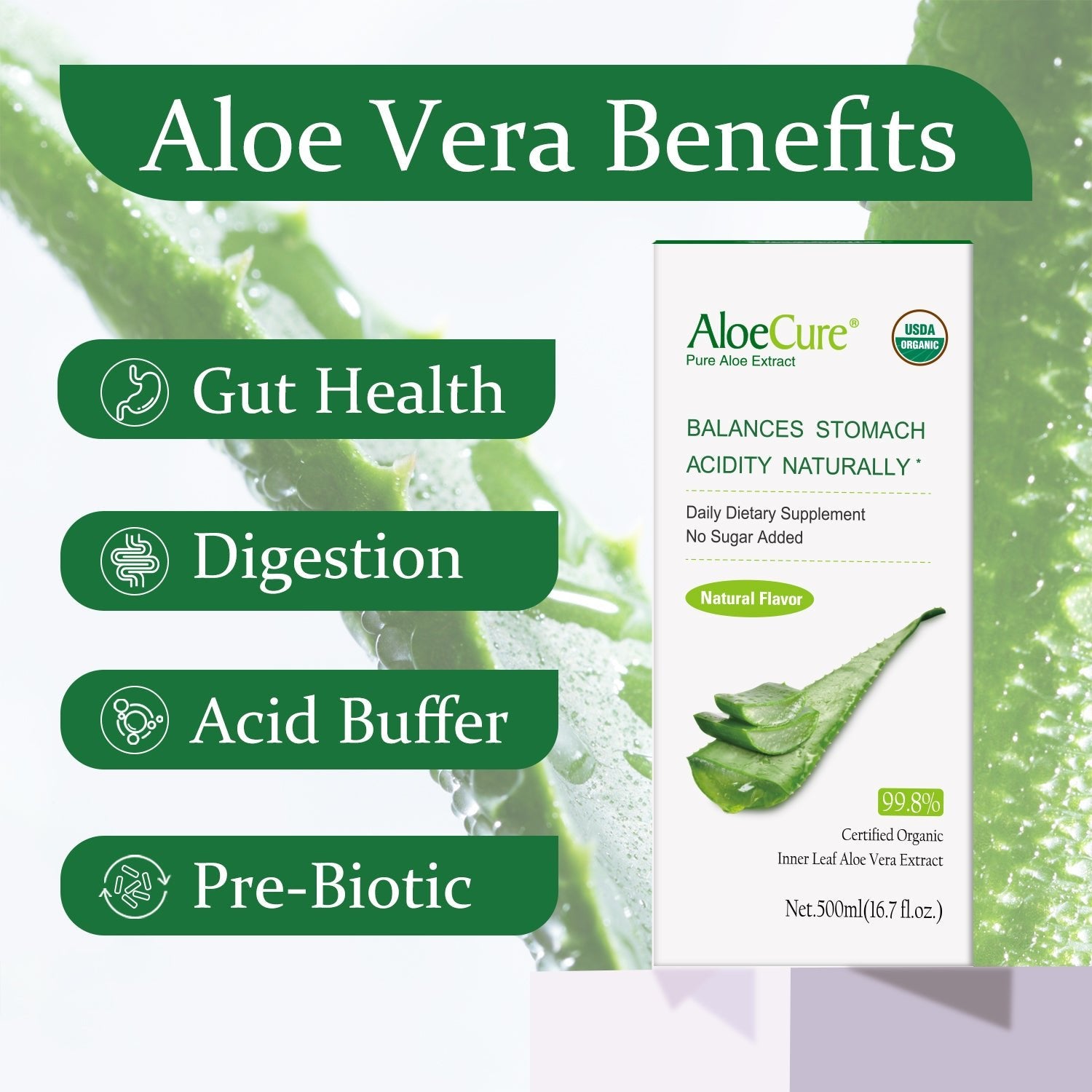
If you're looking for plant-based wellness support built around quality and traceability, explore AloeCure. Their collection includes options designed to support healthy digestive function, including a Pre+Probiotic & Digestive Enzyme formula, and their Subscribe & Save program offers 20% off with flexible delivery.
Los comentarios se aprobarán antes de mostrarse.