Tu carrito está vacío
Envío y manipulación gratuitos con todos los pedidos superiores a $25
Envío y manipulación gratuitos con todos los pedidos superiores a $25

Breakfast was ordinary. A bowl of oatmeal with a knob of butter, a glass of milk, coffee. By mid-morning your stomach feels heavy and you're half convinced the oats were a mistake.
They probably weren't. Oat starch, butter fat, milk protein and milk sugar all reach your small intestine as molecules too large to cross its wall. Your body fixes that with digestive enzymes, proteins that cut big molecules into pieces small enough to absorb. What you feel after a rich meal is the pace of that work, not proof that a product is missing from your shelf.
This is a walk through the system in the order food meets it. Then it turns to the bottle: what enzyme labels disclose, which claims carry weight, and where the evidence runs out. By the end you'll know which enzyme matches which meal, how to run a fair trial on yourself, and when to stop experimenting and talk to someone qualified.
Take that bowl apart. The oats are mostly starch, long branched chains of glucose. The butter is triglycerides, three fatty acids held on a glycerol frame. The milk adds protein in the form of casein and whey, plus lactose, a sugar built from glucose joined to galactose.
Your intestinal wall can absorb glucose, free fatty acids and single amino acids. It can't absorb a starch chain or a whole protein. Something has to cut the links first.
Digestive enzymes are the cutting tools. Each one is a protein folded around a pocket shaped to fit one kind of chemical bond. It breaks that bond, releases the pieces, and moves on. Amylase shortens starch into smaller sugars. Lipase frees fatty acids from triglycerides. Proteases split proteins into shorter peptides and single amino acids.
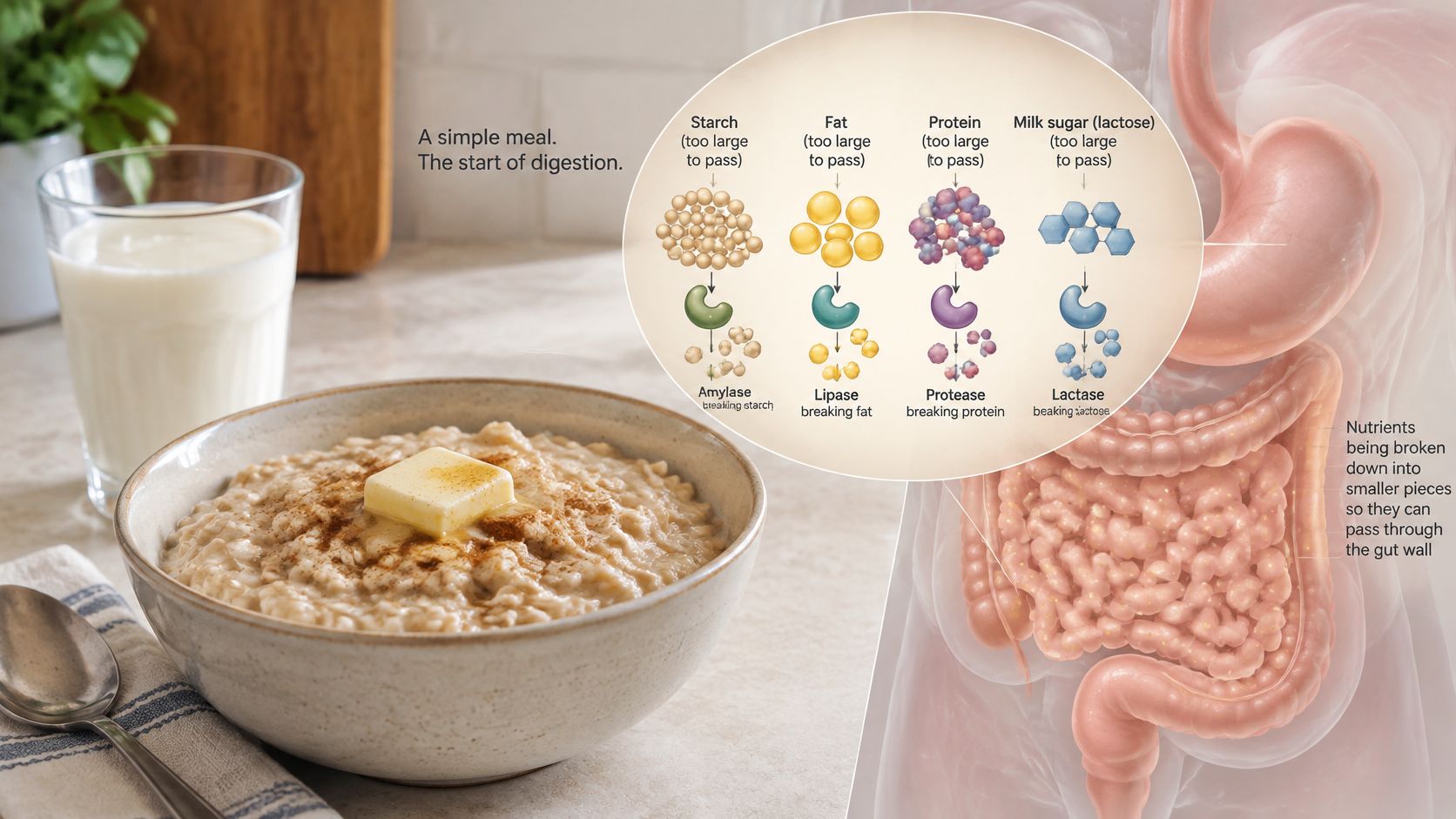
Think of a workshop where every tool does exactly one task. A saw cuts wood. It won't open a lock and it won't tighten a bolt, no matter how hard you push it against either one. Amylase has no effect on fat. Lipase has none on starch. This is the single most useful idea for judging a supplement, because a product can only help with the foods its listed enzymes were built to handle.
An enzyme isn't used up by the reaction it catalyzes. One molecule can cut thousands of bonds in sequence, which is why the body needs only small amounts of each relative to the volume of food passing through. Those molecules are also delicate. Heat and strong acid change their folded shape, and a tool that has lost its shape no longer fits its target.
Saliva, the stomach lining, the pancreas and the lining of the small intestine each contribute their own set. Scientists have spent two centuries mapping that production line. Lazzaro Spallanzani showed in the 1780s that gastric juice could digest meat, Theodor Schwann named pepsin in 1835, Wilhelm Kühne coined the word enzyme in 1878, and James Sumner crystallized urease in 1926 to prove enzymes were proteins, as a two-century scientific history of digestive enzymes recounts.
If you arrived here through a wider search about persistent digestive discomfort and complementary care, how acupuncture approaches persistent digestive discomfort offers a clear look at one such approach and where it sits alongside conventional care.
A lookup table sorts enzyme products faster than any marketing page. Each row below pairs an enzyme class with the food it handles, so a supplement label reads as a list of jobs instead of a wall of chemistry.
| Enzyme | Breaks Down | Main Food Sources |
|---|---|---|
| Amylase | Starch and complex carbohydrates | Bread, rice, potatoes, oats |
| Lipase | Dietary fats | Oils, butter, meat, nuts, avocado |
| Pepsin | Proteins, starting in the stomach | Meat, fish, eggs, beans |
| Trypsin and chymotrypsin | Proteins in the small intestine | Meat, dairy, eggs, legumes |
| Lactase | Lactose, the sugar in milk | Milk, yogurt, soft cheese, ice cream |
| Sucrase and maltase | Table sugar and malt sugars | Fruit, sweets, syrups, cereals |
| Nucleases | DNA and RNA from cell material | Organ meats and other foods containing cells |
The ending -ase marks an enzyme, and the root usually names its substrate. Amylase comes from the Greek amylon, meaning starch. Lipase speaks to fat, lactase to milk sugar. Once you notice the pattern, the chemistry on a label starts reading like a task list. A few older names, pepsin and trypsin among them, were coined before the naming convention settled.
Reading the rows in order, a few details do most of the work.
Amylase is the only enzyme with two shifts. Salivary amylase starts in the mouth, stomach acid pauses it, and pancreatic amylase resumes the job once food reaches the small intestine. That handoff is why thorough chewing earns its keep and why a starchy meal can sit heavily even when digestion is normal.
Lipase handles fat, and pancreatic lipase does most of it. Fat does not mix with the watery fluid in the small intestine, so bile first breaks it into tiny droplets. Lipase can only reach the surface of those droplets, which is why a fatty meal takes longer to clear than a lean one.
The protein enzymes arrive as inactive precursors. The pancreas releases trypsinogen, chymotrypsinogen, procarboxypeptidase and proelastase in switched-off form so they cannot digest the gland that makes them, and the NCBI Bookshelf overview of pancreatic enzymes lists these alongside pancreatic amylase and lipase. Pepsin follows the same logic, secreted as pepsinogen and activated by stomach acid.
Lactase is the most food-specific entry on the list. The intestinal lining makes it rather than the pancreas, and it only matters when milk sugar arrives. If dairy rarely shows up in your week, lactase has nothing to do.
Now stack a real meal. A bowl of pasta with cream sauce and parmesan calls on amylase for the noodles, lipase for the cream and cheese fat, and proteases for the parmesan protein, with a little lactase for the dairy. Add a glass of milk and the lactase load climbs. The same exercise works in reverse. If one kind of meal reliably leaves you uncomfortable, the enzyme column points at which worker was outnumbered.
Match before you buy: count the meals you ate this week that leaned heavily on one nutrient, then look for the enzyme covering that pattern. A targeted product taken consistently beats a broad blend you reach for twice.
Fresh food brings its own enzymes, and these enzyme-rich foods are worth building into meals before you reach for a bottle. If your interest in gut-friendly eating extends to intimate health, this guide to gut-friendly foods for intimate wellness looks at how daily food choices connect to whole-body balance.
Take one bite of pasta and follow it through four stations. Each station runs different conditions, so an enzyme that works well in one can do little in the next.
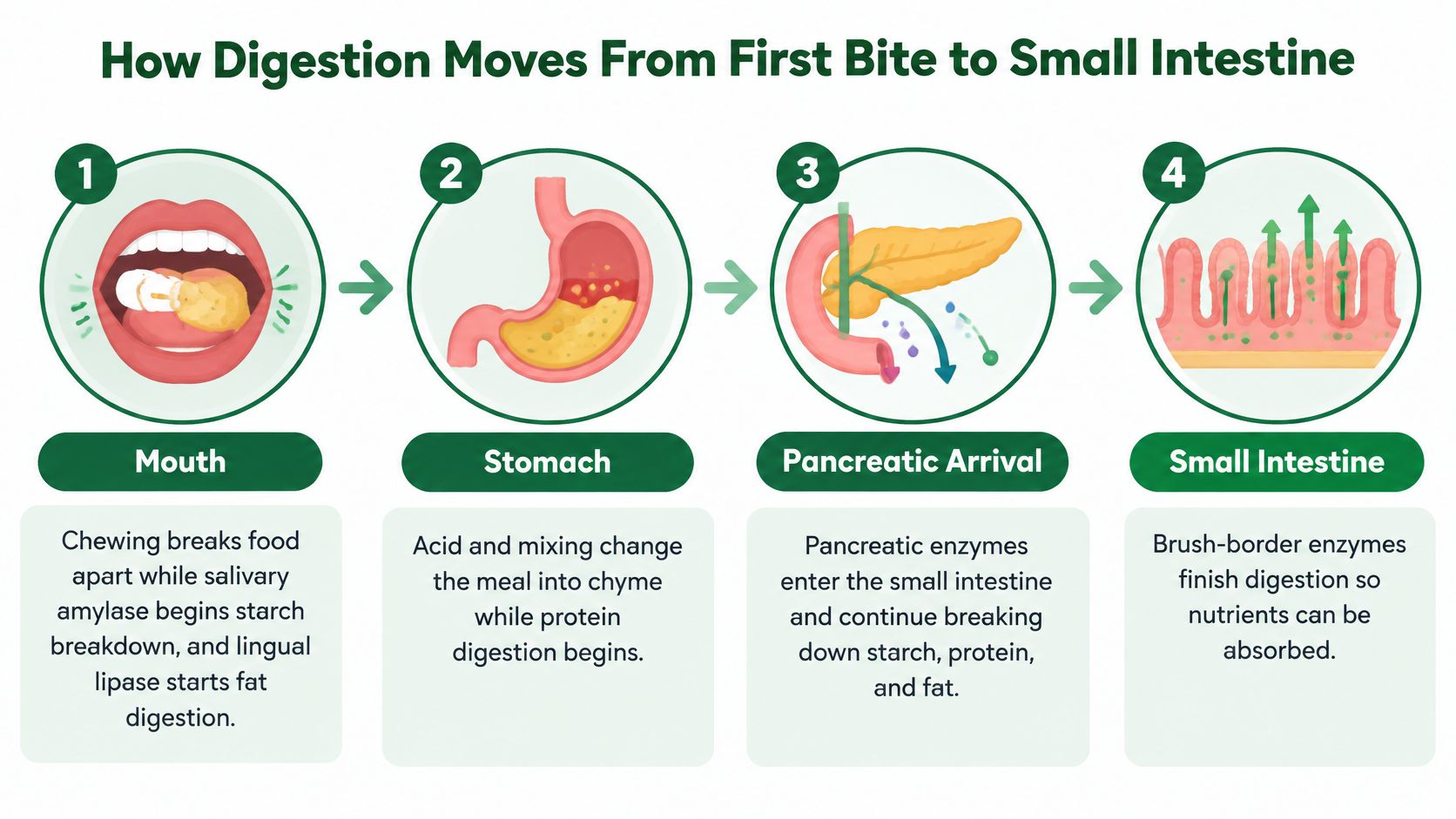
Mouth. Teeth grind food into smaller pieces, giving enzymes more surface to reach. Salivary amylase starts on starch while it is still being chewed, and lingual lipase begins a small amount of fat work. Thorough chewing does more here than any capsule can.
Stomach. Acid switches pepsinogen into pepsin, so protein breakdown starts in earnest. Gastric lipase adds some fat digestion while the stomach churns the meal into a thick mixture and meters it into the small intestine slowly enough that a heavy dinner can still feel present at bedtime.
Small intestine. The pancreas supplies the largest coordinated enzyme contribution, secreting amylase for carbohydrates, lipase for fats, and proteases such as trypsin and chymotrypsin for proteins, plus nucleases that break down nucleic acids, as the NCBI Bookshelf overview of digestive processes describes. Bile enters at the same point and emulsifies fat so a water-based enzyme can reach it.
Intestinal lining. Enzymes fixed on the mucosal surface, including oligo- and disaccharidases, finish carbohydrate digestion at the absorption border. This is the handoff point: breakdown upstream makes nutrients available, while the lining decides what crosses.
A common confusion is expecting one capsule to cover every station. It cannot. Acid, bile, pancreatic output and the lining each set different conditions, which is why timing is practical rather than fussy: enzymes act while food is present and mixed with them, so a capsule swallowed with the meal meets the food while it is still in reach.
If daily medicines are part of that timing picture, logging dose time beside meals can reveal patterns in how food sits; Guiding Growth's medication tracker comparison reviews simple app options for keeping those records in one place.
If you would rather watch the route than read it, the same sequence is shown here.
The assumption worth testing is that better breakdown means more nourishment. Those are two different claims, and only the first one has solid support.
More digestion is not the same as more absorption. A blend can speed the breakdown of a meal without moving a single extra gram of protein into your bloodstream.
Acute meal studies, which track what appears in the bloodstream during the hours after a single meal, have produced mixed results, as an evidence review of digestive-enzyme supplements summarizes. That split matters, because blood is the honest scoreboard for absorption. If a blend delivered more protein into your body, circulating amino acids would climb every time it was used.
Small randomized trials in people with persistent post-meal fullness have reported better symptom scores and quality of life over roughly two months. Read that carefully. The participants were selected, the trials were small, and the outcome was how people felt rather than what their blood showed. Feeling lighter after dinner is a real benefit. It is a different benefit from absorbing more nutrients.
The clearest signal comes from matching one enzyme to one substrate. In a pediatric comparison summarized in a clinical review of lactase supplementation, lactase reduced diarrhea episodes to 20.0% by day five versus 48.0% with lactose-free formula, a statistically significant difference (p=0.037), while other symptoms were not significantly different. Benefit was real and specific, not universal.
Scale tells you something too. A 2024 FODMAP-targeting enzyme intervention recruited 1,075 participants, with 349 completing the follow-up survey, according to the published study. A registered trial of a digestive-enzyme formulation planned to enroll 40 participants with a start date of December 10, 2024, per the CenterWatch trial listing. Small samples and self-reported follow-ups can't separate a product from time, expectation or a change in what people ate.
Single-arm studies and short windows turn up often in product press releases. Without a comparison group, they can't tell you whether the product did anything at all. The outcomes you can track yourself, fullness, comfort, energy after meals, are subjective by nature, and should be read that way.
A label is the only part of the purchase you can verify before you swallow it. With the global digestive-enzyme market estimated at more than USD 1.5 billion in 2024 by Research Nester, there are a lot of labels competing for the same shelf space and very little standing between you and a vague promise.
Run this six-point check in about five minutes.
We farm our own aloe, process it on site, and produce our own finished products, so every stage from field to bottle sits under one set of controls rather than three sets of handoffs, and our capsules are made in an American GMP and NSF certified facility. We test our aloe for peak bioactivity. When you compare brands, ask a simple question: does this company control each step itself, or assemble a product from ingredients it never sees?
Structure and function statements such as "supports healthy digestive function" are permitted only when the manufacturer holds substantiation that each claim is truthful and not misleading, must not imply disease-related effects, and must be reported to the FDA with a required disclaimer on the label, per the FDA guidance on structure and function claims. Dietary supplements generally don't require FDA approval before marketing, as the FDA's consumer guidance on supplements explains, which means the checks are yours to run.
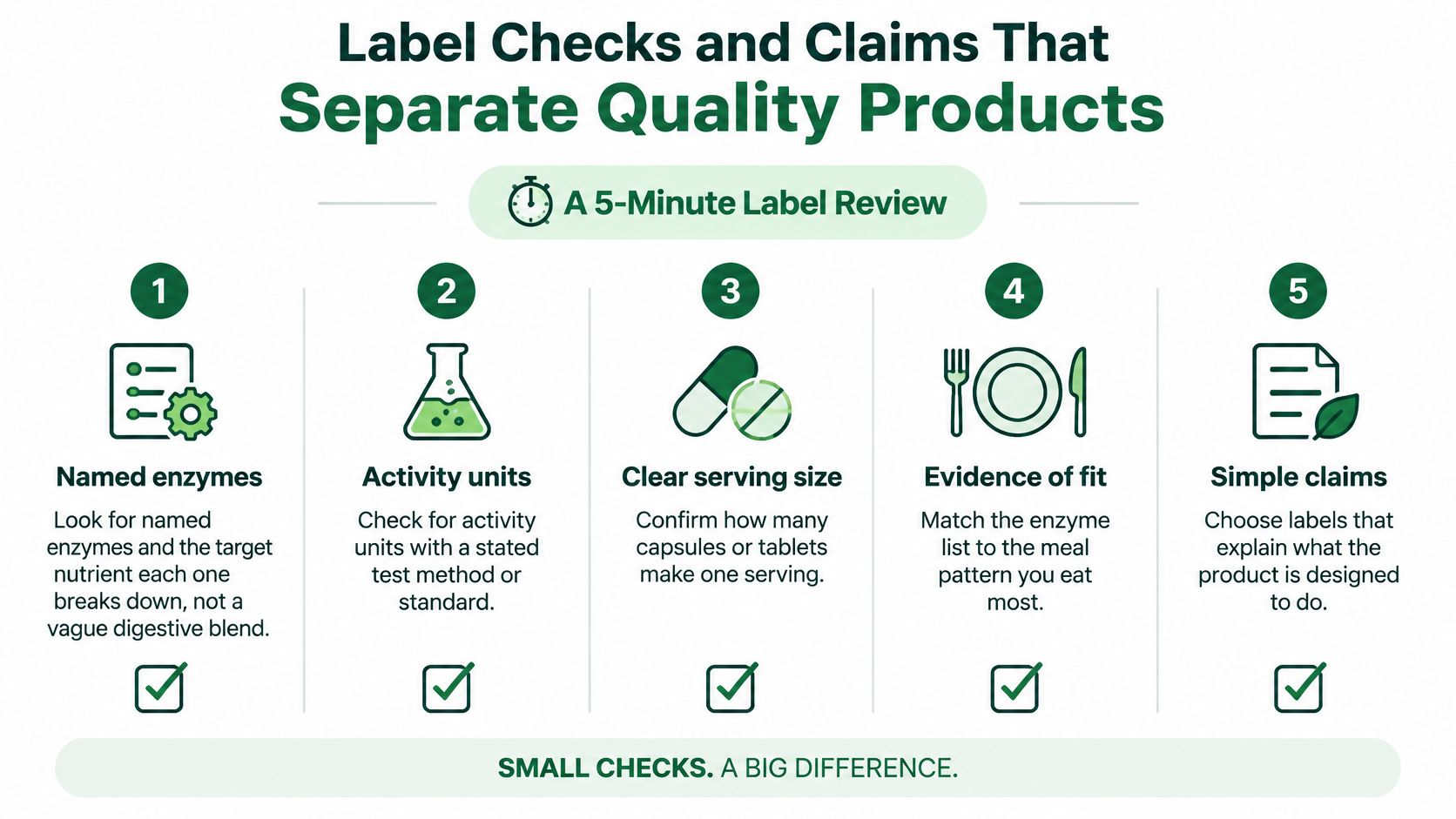
A product with documented testing beats one with the largest number on the front. If you want a deeper walkthrough of label reading, this guide on how to read supplement labels covers the rest of the panel.
A capsule that helps with a pasta dinner may do nothing for a protein shake. So before you buy anything, answer two questions. Which meal are you trying to support? And is adding enzymes the right move for you at all?
Screen first: speak with a licensed health professional before you begin if you're pregnant or breastfeeding, if you take medicines that affect blood clotting, if you have a known allergy to plant sources such as pineapple or papaya, or if you're buying for a child.
With that cleared, the routine below gives you a real answer rather than a hopeful guess.
Your own supply dwarfs anything in a bottle. A healthy pancreas releases approximately 900,000 lipase units during digestion, far more than an average meal requires, as NCBI Bookshelf guidance on pancreatic enzyme therapy notes. A capsule adds a small, measured amount to a system already doing the heavy lifting.
Prescription enzyme therapy is a different situation. Under medical supervision, a clinician sets a starting dose, adjusts it based on how the person responds, and watches upper limits tied to body weight and dietary fat. That kind of regimen is individualized care with follow-up behind it. It does not transfer to a product picked off a shelf, and doubling your label's serving only adds enzymes your meal may not have a use for.
Seek professional advice if you notice unexplained weight loss, lasting changes in stool, or symptoms that keep returning despite a fair trial. Those patterns deserve a proper look rather than another bottle.
One honesty check before you commit. A meal that sits easier is a reasonable goal, but it is not proof that you absorbed more nutrients from your food. Absorption has its own bottlenecks further downstream, and no serving size on a label can promise to change them.
Everything above assumes a healthy adult using an over-the-counter product. If you take prescription medicines or manage a diagnosed condition, your situation needs a professional's eyes, not a blog's.
Four approaches show up on the same shelf and they are not interchangeable. Here's the side-by-side view.
| Option | What It Supplies | Standardized Strength | Best Fit | Main Limit |
|---|---|---|---|---|
| Digestive enzyme capsules | Named enzymes at labeled activity levels | Yes, when units are listed | Heavy meals in one nutrient class | Limited to the foods its enzymes target |
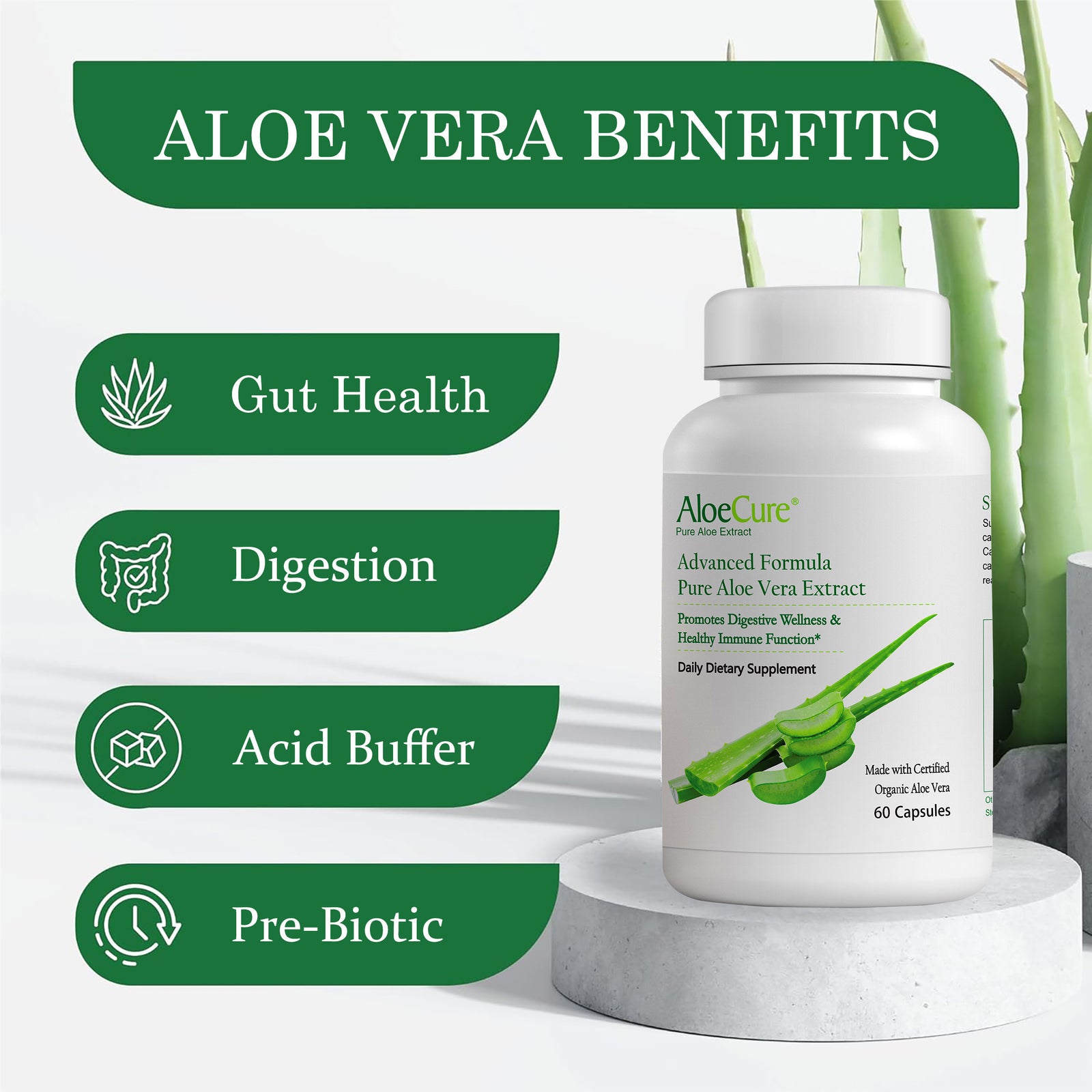
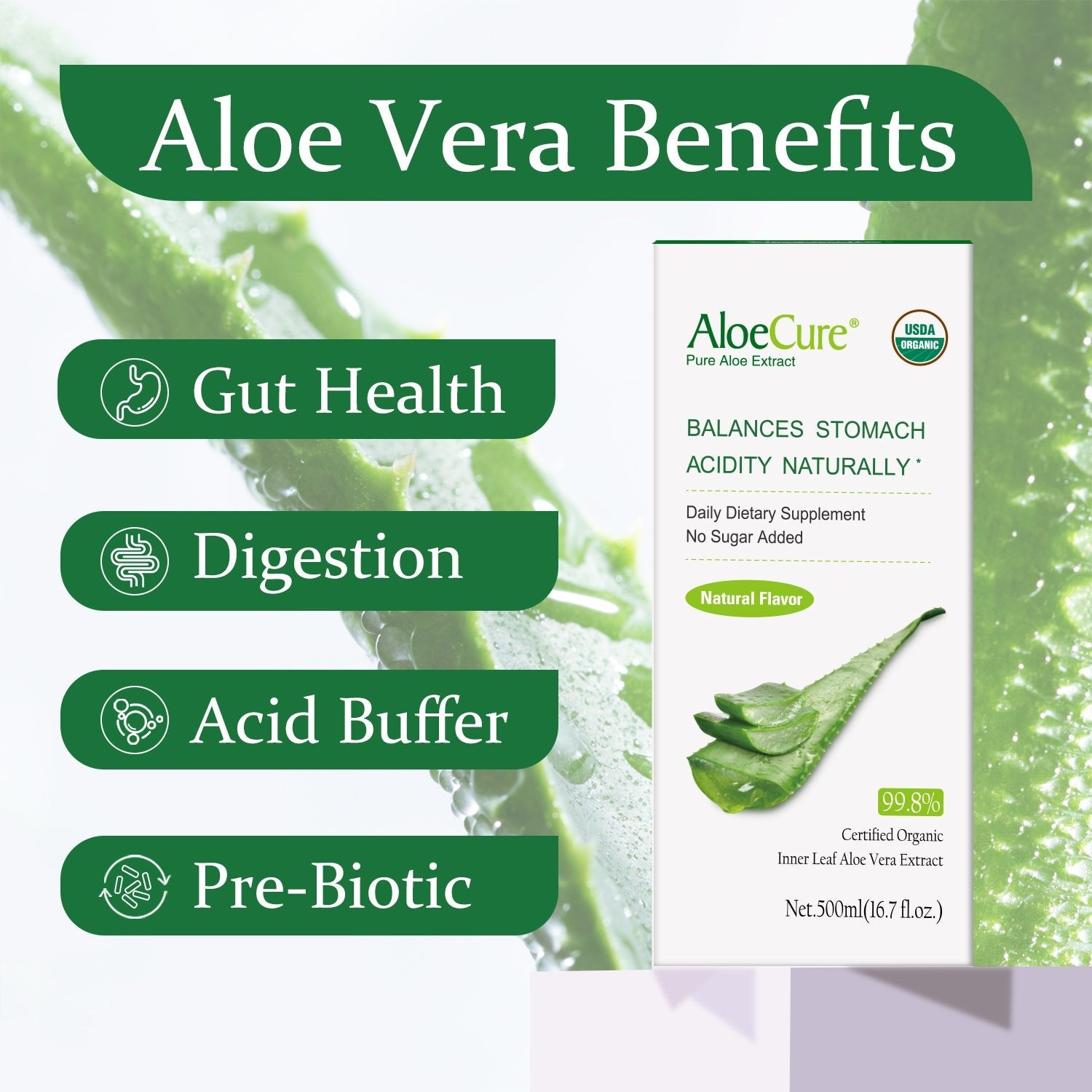
| Inner-leaf aloe vera juice | Whole-plant mix of polysaccharides, vitamins and amino acids | Set by batch testing, not by units | Daily whole-plant routine | No standardized enzyme units |
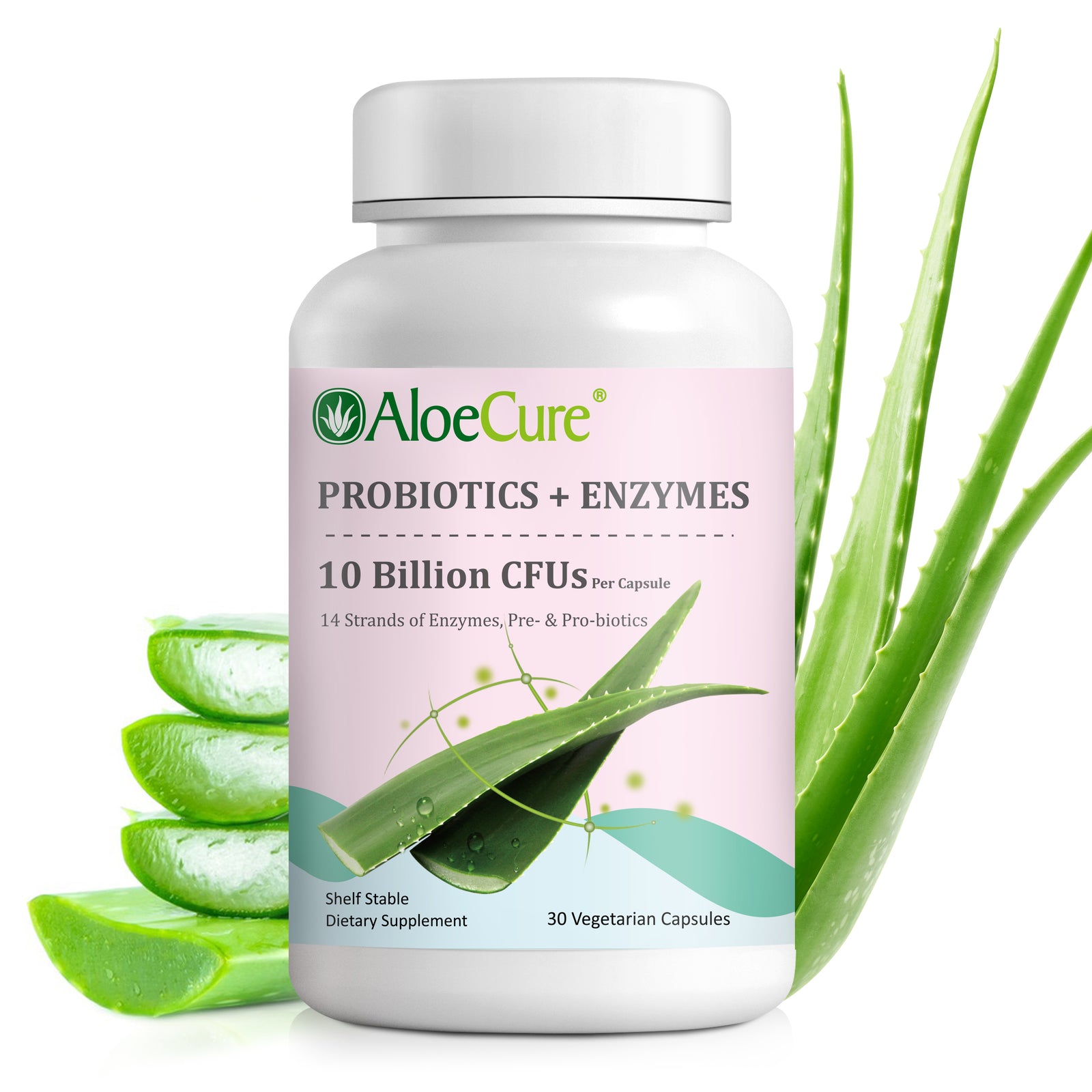
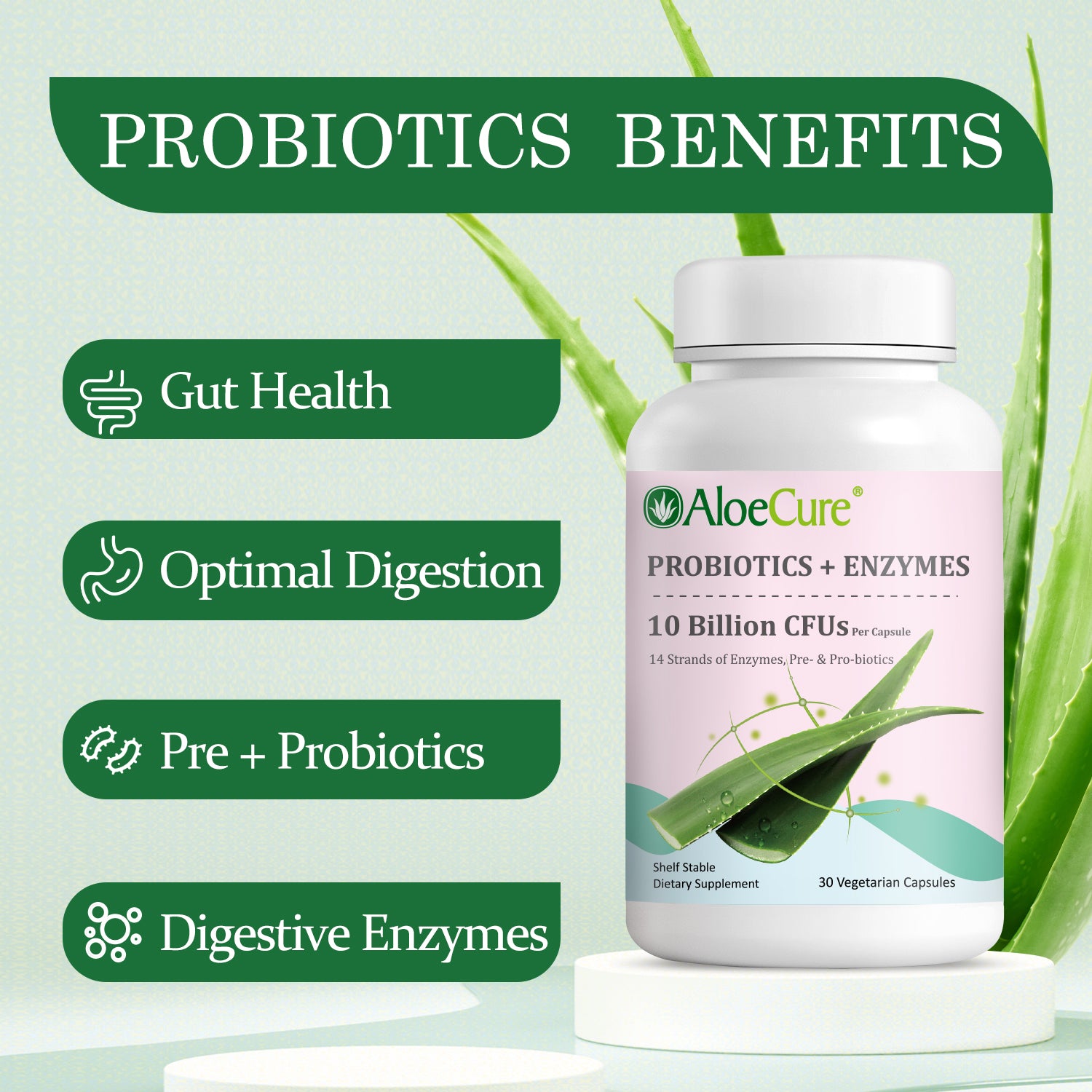
| Pre+probiotic and enzyme blend | Prebiotic, probiotic and enzyme support in one product | Only if units are listed | One daily product for a gut routine | Several components to judge at once |
| Enzyme-rich fruit such as pineapple or papaya | Natural enzymes in whole food | No | Food-first habit | Activity falls with heat and shifts with ripeness |
Specificity to a meal. Enzyme capsules win when your week has a repeating pattern, say a heavy protein lunch most days. A blend aimed at everything spreads its activity thin across nutrients you may not be eating.
Standardized units. Only capsules and blends can tell you exactly how much enzyme activity you're getting. Whole-food and juice options can't, which isn't a flaw so much as a different category of product.
Daily convenience. One product you take beats three you forget. A pre+probiotic and enzyme blend collapses prebiotic, probiotic and enzyme support into a single serving, which suits people who want one daily habit rather than a shelf of bottles.
Whole-plant nutrient content. Inner-leaf aloe vera juice brings polysaccharides, vitamins and amino acids that have nothing to do with enzyme activity. Our aloe is harvested and processed within 12 hours, with no chemicals, enzymes or charcoal filtration, and the plant itself supplies 18 amino acids and vitamins A, B1, B2, B3, B6, C and E.
If you're still weighing categories, this comparison of probiotic or digestive enzymes helps separate what each one does.
Choose capsules if your discomfort tracks a specific kind of meal. Choose aloe juice if you want a daily whole-plant routine and aren't chasing enzyme units. Choose a combined blend if simplicity is what keeps you consistent. Choose fruit if you'd rather start with food. These can be combined, but if you already take other supplements or medicines, have a professional check the total daily amounts before you stack them.
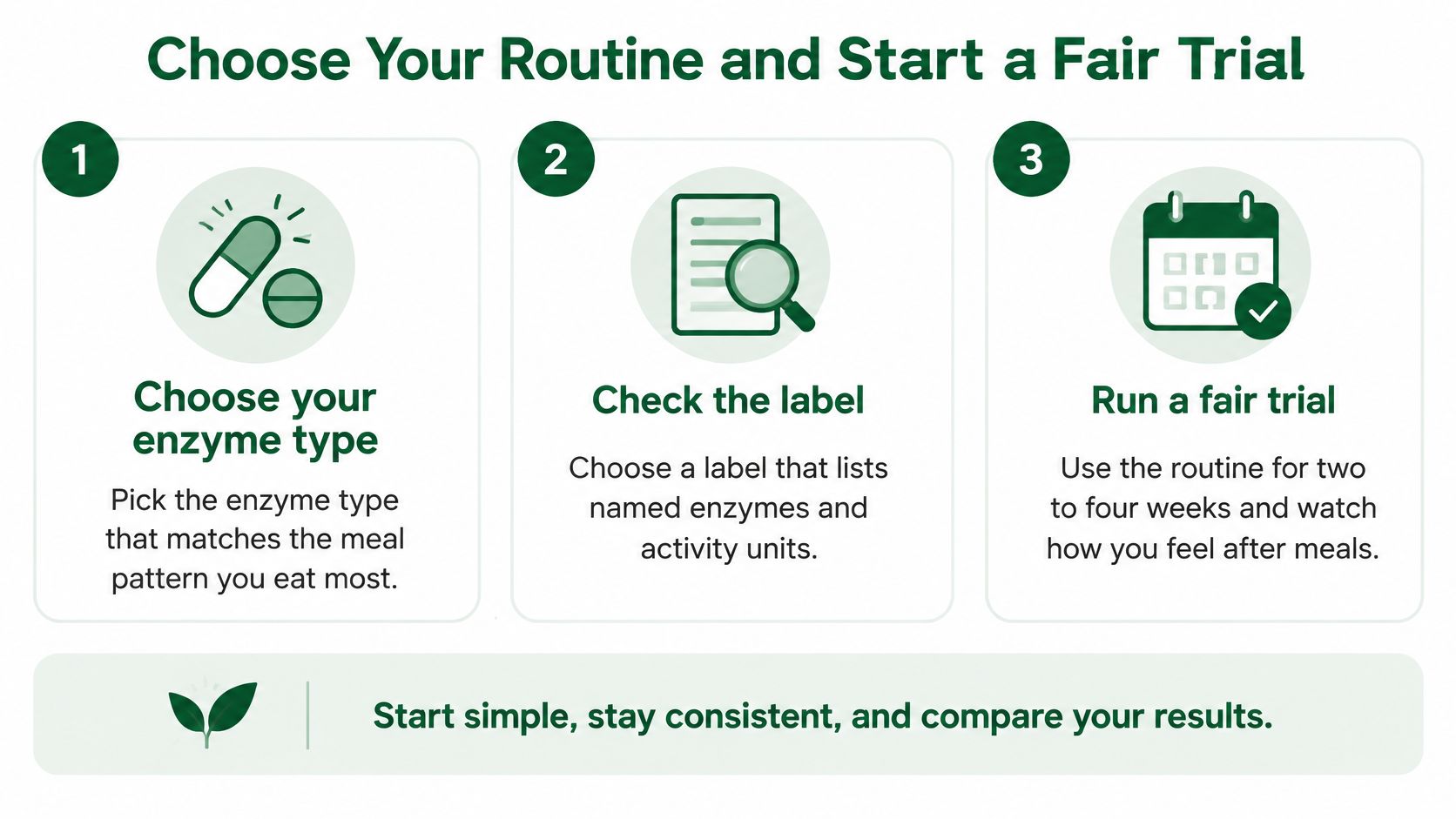
Pick the enzyme type that matches the meal pattern you eat most, choose a label that lists named enzymes with activity units, and run the routine for two to four weeks, noting what you ate and how you felt each day.
If you want one daily product that pairs aloe-based prebiotic and probiotic support with digestive enzymes, our Pre+Probiotic & Digestive Enzyme Blend combines all three in a single capsule and is priced at $19.95 USD. Subscribe & Save takes 20% off with flexible delivery, the brand offers a 90-day money-back guarantee, and free shipping applies to qualifying orders.
Talk with a licensed health professional if symptoms persist or if you take medicines that may interact with what you're adding.
These statements have not been evaluated by the Food and Drug Administration. This product is not intended to diagnose, treat, cure, or prevent any disease.
AloeCure makes a Pre+Probiotic & Digestive Enzyme Blend for people who want enzyme support and daily gut care in one capsule, backed by aloe we farm, process and formulate ourselves. If this walkthrough helped you think about matching enzymes to the meals you eat, start with the product page and a two-to-four-week trial. Visit AloeCure to see the blend, the subscription savings and the guarantee.
Los comentarios se aprobarán antes de mostrarse.